
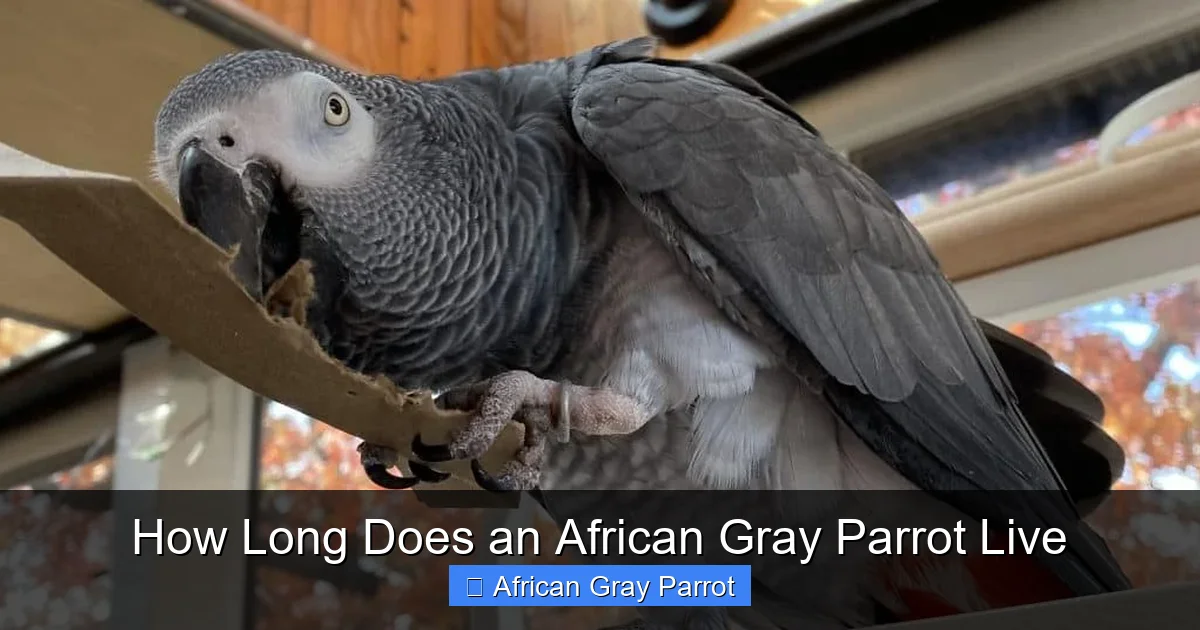
African Gray Parrots typically live 40 to 60 years in captivity, with some reaching 80 years under exceptional care. Their longevity depends heavily on diet, veterinary care, mental stimulation, and a safe environment — making them a true lifetime commitment for dedicated owners.
Key Takeaways
- Average captive lifespan is 40-60 years: With proper care, African Grays routinely live four to six decades, far longer than most pet birds.
- Wild birds live shorter lives: In their natural habitat, they typically survive 20-30 years due to predators, disease, and food scarcity.
- Diet is the foundation of longevity: A varied diet of pellets, fresh vegetables, fruits, and limited seeds prevents malnutrition and organ failure.
- Mental stimulation prevents early death: Boredom leads to feather plucking, stress, and self-harm — daily enrichment is non-negotiable.
- Annual avian vet checks catch problems early: Regular bloodwork and exams detect liver disease, respiratory issues, and infections before they become fatal.
- Environmental toxins are silent killers: Teflon fumes, cigarette smoke, scented candles, and heavy metals can drastically shorten lifespan.
- Genetics and early life matter: Birds from reputable breeders with healthy parents and proper weaning have a longevity advantage.
Quick Answers to Common Questions
What is the average lifespan of an African Gray Parrot in captivity?
The average lifespan of an African Gray Parrot in captivity is 40 to 60 years with proper care, though some individuals live into their 70s or even 80s.
Do African Grays live longer in the wild or as pets?
African Grays live significantly longer in captivity (40-60 years) than in the wild (20-30 years) due to protection from predators, consistent nutrition, and veterinary care.
What is the number one cause of early death in pet African Grays?
Malnutrition from seed-only diets is the leading cause of premature death, causing fatty liver disease, vitamin deficiencies, and organ failure.
Can African Gray Parrots outlive their owners?
Yes, African Grays frequently outlive their owners or their owners’ ability to care for them, making estate planning and designated caregivers essential.
Does the Congo or Timneh subspecies live longer?
There is no significant lifespan difference between Congo and Timneh African Grays; individual care quality determines longevity far more than subspecies.
📑 Table of Contents
- Introduction: A Feathered Companion for Life
- Understanding the Numbers: Wild vs. Captive Lifespan
- The Pillars of Longevity: What Actually Extends Life
- Common Health Issues That Shorten Lifespan
- Life Stages and Changing Needs
- Planning for the Inevitable: Estate and Care Planning
- Comparing African Gray Lifespan to Other Parrots
- The Cost of Longevity: Financial Considerations
- Conclusion: A Promise Worth Keeping
Introduction: A Feathered Companion for Life
If you are thinking about bringing an African Gray Parrot into your home, you are not just getting a pet. You are gaining a potential lifelong companion. These remarkable birds are famous for their intelligence, their talking ability, and their deep emotional bonds with humans. But there is one question that stops many prospective owners in their tracks: how long does an African Gray Parrot live?
The answer is both exciting and sobering. With proper care, an African Gray can live 40 to 60 years in captivity. Some well-documented cases show birds reaching their 70s and even 80s. That means the baby bird you bring home today could still be with you when you are a grandparent. It also means this decision requires serious long-term planning. Let us explore everything you need to know about African Gray Parrot lifespan, what affects it, and how to give your feathered friend the longest, healthiest life possible.
Understanding the Numbers: Wild vs. Captive Lifespan
Life in the Wild
In their native range across Central and West Africa, African Gray Parrots face a gauntlet of challenges. Predators like hawks, snakes, and monkeys take a heavy toll. Habitat loss from logging and agriculture reduces food sources and nesting sites. The illegal pet trade removes countless birds from the wild each year. Disease outbreaks can sweep through flocks. Because of these pressures, wild African Grays typically live 20 to 30 years. Reaching old age in the wild is the exception, not the rule.
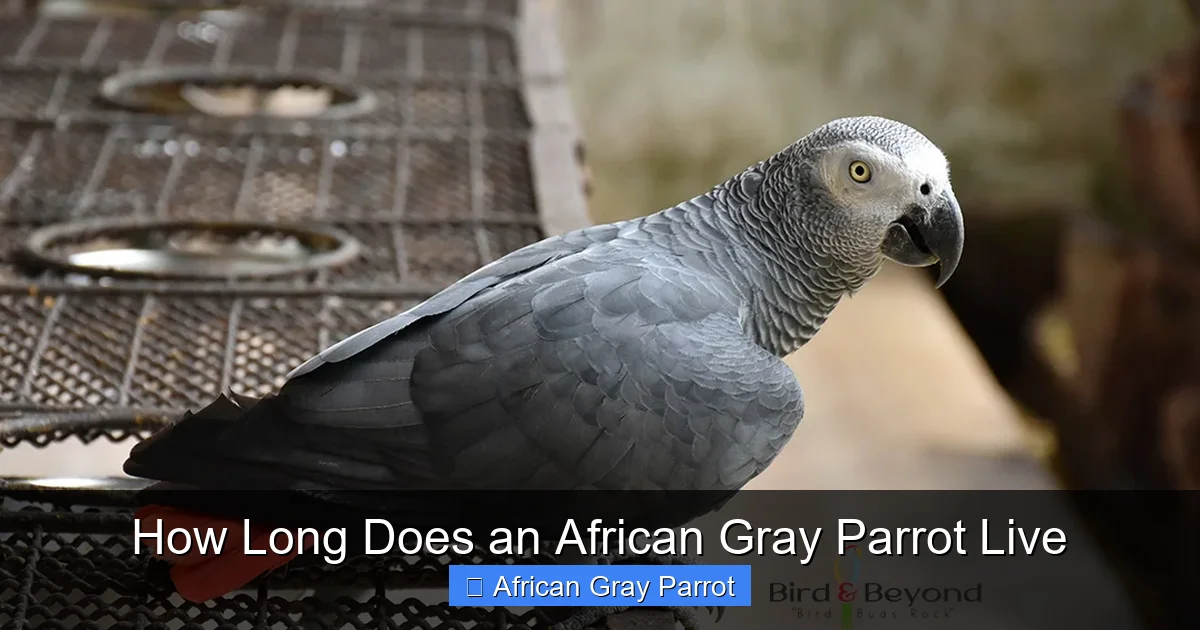
Visual guide about How Long Does an African Gray Parrot Live
Image source: birdandbeyond.com
Life in Captivity
Remove the predators, guarantee food and water, provide veterinary care, and the picture changes dramatically. In captivity, the average African Gray Parrot lifespan jumps to 40 to 60 years. Many birds live into their 50s. A significant number reach their 60s. The oldest verified African Gray on record lived to 82 years old. This massive difference highlights how much human care influences longevity. But it also underscores the responsibility. You are not signing up for a decade. You are potentially signing up for half a century or more.
The Two Subspecies: Congo vs. Timneh
There are two recognized subspecies of African Gray Parrot: the Congo African Gray (Psittacus erithacus erithacus) and the Timneh African Gray (Psittacus erithacus timneh). Congos are larger, with bright red tail feathers and a black beak. Timnehs are smaller, darker, with a maroon tail and a horn-colored upper mandible. Does subspecies affect lifespan? Not significantly. Both subspecies share similar genetic potential for longevity. Individual care, diet, and environment matter far more than whether your bird is a Congo or a Timneh.
The Pillars of Longevity: What Actually Extends Life
Nutrition: The Foundation of Everything
If you want your African Gray to live a long life, diet is the single most important factor. Malnutrition is the leading cause of premature death in pet parrots. Many owners still feed seed-only diets. This is a death sentence. Seeds are high in fat, low in calcium, and deficient in vitamin A. A seed-only bird will develop fatty liver disease, atherosclerosis, feather problems, and a compromised immune system. They rarely live past 20 years.
The gold standard is a high-quality pelleted diet making up 60 to 70 percent of daily intake. Pellets are formulated to provide complete nutrition. The remaining 30 to 40 percent should be fresh foods. Dark leafy greens like kale, collard greens, and Swiss chard are essential for vitamin A and calcium. Orange vegetables like sweet potatoes, carrots, and butternut squash provide beta-carotene. Fruits like berries, papaya, and mango offer antioxidants but should be limited due to sugar. Healthy grains like quinoa, brown rice, and oats add variety. Nuts and seeds become treats, not staples.
Hydration and Water Quality
Clean water is non-negotiable. Change water at least twice daily. Bacteria multiply rapidly in room-temperature water bowls. Many avian veterinarians recommend water bottles to reduce contamination, but bowls allow natural bathing behavior. If you use a bowl, scrub it with hot soapy water every single day. Consider a water filter if your tap water has high mineral content or chlorine. Dehydration stresses the kidneys and shortens lifespan.
Environmental Safety: The Invisible Threats
Your home contains hazards that can kill an African Gray instantly or shorten its life gradually. The most notorious is non-stick cookware. When Teflon-coated pans overheat, they release polytetrafluoroethylene (PTFE) fumes. These fumes are odorless to humans but cause acute respiratory failure in birds. Death can occur within minutes. Never use non-stick cookware, self-cleaning ovens, or non-stick irons in a home with parrots. Switch to stainless steel, cast iron, or ceramic.
Other airborne toxins include cigarette smoke, marijuana smoke, scented candles, air fresheners, essential oil diffusers, aerosol sprays, and cleaning products with strong fumes. Birds have incredibly efficient respiratory systems. They absorb airborne toxins faster than mammals. Use bird-safe cleaning products like vinegar and water or enzymatic cleaners. Ventilate your home daily. Heavy metals are another silent killer. Lead and zinc poisoning from chewing on curtain weights, jewelry, solder, galvanized wire, or certain toys causes neurological damage, anemia, and death. Inspect every toy and perch for metal parts. Use only stainless steel hardware.
Veterinary Care: Prevention Beats Treatment
African Grays are masters at hiding illness. In the wild, a sick bird gets eaten. This instinct remains strong. By the time you see obvious symptoms — fluffed feathers, loss of appetite, tail bobbing — the bird has likely been ill for days or weeks. Annual wellness exams with a board-certified avian veterinarian are essential. These visits should include a physical exam, weight check, fecal gram stain, and blood work (CBC and chemistry panel). Blood work establishes baselines and catches liver disease, kidney disease, anemia, and infections early.
Vaccinations are not routine for parrots, but your vet may recommend specific tests based on risk factors. Psittacosis (chlamydiosis), polyomavirus, and beak and feather disease virus (PBFD) are serious concerns. Quarantine new birds for at least 45 days, ideally 90 days, with separate air space. Wash hands between handling different birds. Early detection adds years to your bird’s life.
Mental Stimulation: The Intelligence Tax
African Grays possess the cognitive ability of a 3 to 5-year-old human child. They understand concepts like same/different, bigger/smaller, and can use words contextually. This intelligence comes with a cost. A bored African Gray develops destructive behaviors. Feather plucking is the most common. Birds may mutilate their own skin, scream incessantly, become aggressive, or develop stereotypies like pacing or head weaving. Chronic stress from boredom suppresses the immune system and shortens lifespan.
Daily enrichment is not optional. Provide foraging opportunities — hide food in paper cups, wrap treats in palm leaves, use puzzle toys. Rotate toys weekly to maintain novelty. Offer destructible toys made of wood, leather, paper, and palm. Provide safe chew items like balsa wood, yucca, and pine cones. Training sessions using positive reinforcement provide mental exercise and strengthen your bond. Teach targeting, recall, and simple tricks. Social interaction is critical. If you work long hours, consider a second bird (with proper quarantine and introduction) or a trusted bird-sitter for midday visits. A lonely African Gray is a suffering African Gray.
Sleep and Light Cycles
African Grays originate near the equator where day length is consistent year-round — roughly 12 hours of light and 12 hours of darkness. In captivity, artificial lighting disrupts this cycle. Chronic sleep deprivation causes hormonal imbalances, feather plucking, aggression, and immune suppression. Provide 10 to 12 hours of uninterrupted darkness each night. Use a cage cover or a separate sleep cage in a quiet, dark room. Full-spectrum UVB lighting during the day supports vitamin D synthesis, calcium metabolism, and feather health. Replace UVB bulbs every 6 to 12 months as output degrades.
Exercise and Flight
A sedentary bird develops obesity, atherosclerosis, and muscle atrophy. African Grays need daily exercise. If safe, allow supervised free flight in a bird-proofed room. Remove ceiling fans, cover windows, secure other pets, and eliminate toxins. If flight is not possible, provide the largest cage possible — minimum 36 x 24 x 48 inches for a Congo, slightly smaller for a Timneh. Bar spacing should be 3/4 to 1 inch. Include multiple perches of varying diameters and textures (natural wood, rope, cement) to exercise feet. Encourage climbing with ladders and ropes. Foraging toys placed at different levels promote movement.
Common Health Issues That Shorten Lifespan
Hypocalcemia and Seizures
African Grays have a unique susceptibility to low blood calcium (hypocalcemia). This can cause seizures, muscle tremors, weakness, and even death. The exact cause is not fully understood but relates to parathyroid function and vitamin D metabolism. Birds on seed-only diets are at highest risk. Birds without UVB lighting are at risk. Birds laying eggs are at extreme risk. Prevention includes a pelleted diet, UVB exposure, and calcium-rich foods like dark greens and cooked eggs with shell. If your bird has a seizure, it is a medical emergency. Immediate veterinary care with calcium gluconate injections can save their life.
Feather Destructive Behavior
Feather plucking is a symptom, not a disease. Medical causes include skin infections, allergies, heavy metal toxicity, liver disease, and hormonal imbalances. Behavioral causes include boredom, anxiety, lack of foraging, poor sleep, and inadequate social interaction. A plucking bird can develop secondary skin infections and lose the ability to thermoregulate. Severe cases lead to self-mutilation. Addressing plucking requires a thorough veterinary workup followed by environmental and behavioral modification. Early intervention improves outcomes. Chronic plucking reduces quality of life and can shorten lifespan through stress and infection.
Respiratory Disease
As mentioned, the avian respiratory system is highly efficient and highly sensitive. Aspergillosis, a fungal infection, is common in immunocompromised birds or those exposed to moldy environments. Symptoms include voice change, labored breathing, tail bobbing, and exercise intolerance. Bacterial pneumonia, air sacculitis, and chlamydiosis also occur. Prevent respiratory disease by maintaining excellent air quality, avoiding toxins, controlling humidity (40-60%), and supporting immune health through nutrition. HEPA air purifiers in the bird room are a wise investment.
Atherosclerosis and Heart Disease
Just like humans, parrots develop atherosclerosis — plaque buildup in arteries. High-fat diets (seeds, nuts, human junk food), lack of exercise, and genetics contribute. African Grays are particularly prone. Symptoms may be subtle: exercise intolerance, weakness, sudden collapse, or sudden death. Prevention centers on low-fat pelleted diets, regular exercise, and maintaining healthy weight. Annual blood work can detect elevated cholesterol and triglycerides early.
Liver Disease
Hepatic lipidosis (fatty liver disease) is rampant in seed-fed parrots. The liver becomes infiltrated with fat, losing function. Symptoms include overgrown beak and nails (with bruising), green urates (biliverdin), enlarged abdomen, and lethargy. Advanced liver disease is often fatal. A pelleted diet, limited fat, milk thistle supplementation (under vet guidance), and exercise prevent and can sometimes reverse early stages.
Proventricular Dilatation Disease (PDD)
PDD is a devastating viral disease caused by avian bornavirus. It affects the nerves controlling the digestive tract. Food passes through undigested. Birds lose weight despite eating. Neurological signs like seizures and ataxia may appear. There is no cure. Supportive care can extend life. PDD is diagnosed via crop biopsy or PCR testing. Quarantine and testing of new birds are critical prevention measures.
Life Stages and Changing Needs
Baby and Juvenile (0-2 Years)
This is the foundation phase. Proper weaning onto a pelleted diet sets the stage for lifelong health. Force-weaning or early weaning causes behavioral trauma and poor eating habits. Socialization is critical. Expose the young bird to different people, sounds, objects, and situations positively. Harness training, carrier training, and nail trimming desensitization should start now. Establish a relationship with an avian vet. Baseline blood work at one year provides future comparison. This is also when bad habits form. Biting, screaming, and fearfulness must be addressed with positive reinforcement, not punishment.
Young Adult (2-10 Years)
Hormones kick in. Your sweet baby may become territorial, nippy, or obsessed with nesting. This is normal. Do not take it personally. Provide outlets — foraging, shredding, training. Avoid stimulating hormonal behavior: no petting under wings, on back, or near vent. Limit cuddly blankets and dark cavities. Maintain 12 hours darkness. Continue annual vet checks. This is the prime of life. Build strong habits now.
Middle Age (10-30 Years)
Subtle changes appear. Activity may decrease slightly. Arthritis can develop, especially in birds with previous injuries or poor perching. Cataracts may form. Annual blood work becomes even more critical. Kidney and liver values may drift. Adjust diet if needed — lower protein for kidney support, liver supplements if indicated. Provide lower perches and platform perches for arthritic feet. Monitor weight weekly. Cognitive decline is possible but mental stimulation slows it.
Senior (30+ Years)
Your bird is now a geriatric patient. Vet visits every 6 months are wise. Blood work, radiographs, and urinalysis screen for age-related disease. Mobility aids become important — rope perches, flat platforms, ladders. Warmth is appreciated; consider a thermostatically controlled heat panel over one corner of the cage. Diet may need modification for dental issues (yes, parrots have dental-like issues with beak and tomia) or digestive efficiency. Soak pellets if needed. Cherish this time. The bond deepens. Many senior Grays become incredibly affectionate and communicative.
Planning for the Inevitable: Estate and Care Planning
Because African Grays routinely outlive their owners, or at least outlive their owners’ ability to care for them, responsible ownership includes a plan. Who will take your bird if you become ill, incapacitated, or pass away? Identify a trusted friend, family member, or bird-savvy rescue organization. Create a written care guide covering diet, medications, vet contact, routine, preferences, vocabulary, and behavioral quirks. Set up a pet trust or designate funds in your will for the bird’s care. Some avian rescues offer lifetime care programs for a bequest. Do not leave this to chance. A parrot dumped in a shelter after its owner dies suffers terribly. Plan ahead. It is the final act of love for a companion who gave you decades.
Comparing African Gray Lifespan to Other Parrots
Where does the African Gray stand in the parrot longevity lineup? Budgies (parakeets) live 5-10 years, occasionally 15. Cockatiels live 15-25 years. Conures live 20-30 years. Amazon parrots live 40-60 years, similar to Grays. Macaws live 50-80 years, with large macaws reaching the upper end. Cockatoos live 40-70 years. Eclectus parrots live 30-50 years. The African Gray sits in the upper tier of parrot longevity, comparable to Amazons and smaller cockatoos, but generally shorter-lived than large macaws. This context helps set expectations. If you want a shorter commitment, a budgie or cockatiel may be more appropriate. If you want a lifelong feathered family member, the African Gray delivers.
The Cost of Longevity: Financial Considerations
A 50-year lifespan carries a price tag. High-quality pellets cost $30-$60 per month. Fresh produce adds $20-$40 monthly. Toys are consumables — budget $20-$50 monthly for destruction. Annual vet exams with blood work run $200-$400. Emergency vet visits can exceed $1,000. A quality cage costs $500-$1,500. UVB lighting, air purifiers, carriers, play stands, and perches add up. Over 50 years, the total cost of ownership can easily reach $50,000 to $100,000 or more. Pet insurance for birds exists but is limited. A dedicated savings account or credit line for veterinary emergencies is wise. Can you afford this? If not, consider a shorter-lived species or volunteer at a rescue instead.
Conclusion: A Promise Worth Keeping
How long does an African Gray Parrot live? The answer is simple and profound: long enough to become part of your family’s history. Forty, fifty, sixty years of morning greetings, whispered “I love yous,” shared meals, and quiet companionship. But those years are not guaranteed. They are earned — through informed nutrition, vigilant veterinary care, relentless enrichment, a toxin-free home, and unwavering commitment.
If you are ready to make that commitment, an African Gray Parrot will reward you with a bond unlike any other. They will learn your routines, mimic your laugh, comfort you on hard days, and challenge you to be a better caregiver. They will grow old with you. Few pets offer that gift. Honor it. Plan for it. And every day, look at that intelligent gray face and remember: you are their whole world. Make it a long, healthy, happy one.
Frequently Asked Questions
How can I tell the age of my African Gray Parrot?
Determining exact age in adult African Grays is difficult. Juveniles have dark gray to black irises that lighten to pale yellow by 2-3 years. Beyond that, no reliable visual markers exist. Veterinary records, breeder documentation, or previous owner history are the only accurate methods.
What should I feed my African Gray to maximize lifespan?
Feed 60-70% high-quality pellets, 30-40% fresh vegetables (especially dark leafy greens and orange vegetables), limited fruits, and occasional healthy grains. Avoid seed-only diets, avocado, chocolate, caffeine, alcohol, and high-fat/salt human foods.
How often should I take my African Gray to the vet?
Schedule annual wellness exams with a board-certified avian veterinarian. Senior birds (30+ years) benefit from biannual visits. Immediate veterinary attention is needed for any changes in appetite, droppings, behavior, breathing, or feather condition.
Is feather plucking normal in African Grays?
Feather plucking is common but never normal. It indicates an underlying medical or behavioral issue requiring veterinary investigation. Early intervention improves outcomes, but chronic plucking can become a permanent habit even after the cause is resolved.
Can African Grays live alone or do they need a companion bird?
African Grays are highly social and need significant daily interaction. A single bird can thrive with several hours of direct human engagement daily. If you work long hours, a second bird may help, but proper introduction and quarantine are essential. Human companionship cannot be fully replaced by another bird.
What household items are toxic to African Gray Parrots?
Non-stick cookware (Teflon/PTFE), self-cleaning ovens, scented candles, air fresheners, essential oil diffusers, cigarette smoke, aerosol sprays, lead/zinc items (curtain weights, jewelry, galvanized wire), avocado, chocolate, onions, garlic, and alcohol are all toxic and potentially fatal.