
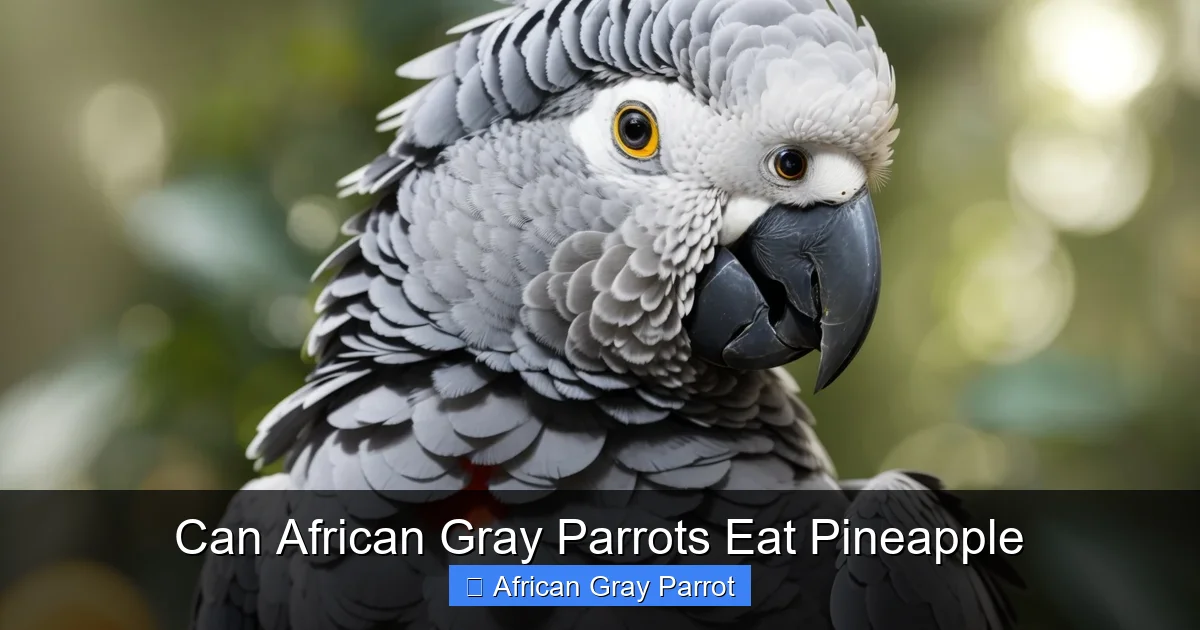
African Gray Parrots can safely eat pineapple as an occasional treat. This tropical fruit offers vitamin C and antioxidants but contains high natural sugar and acidity. Feed only small, fresh pieces once or twice a week, and always remove the tough core and skin to prevent choking hazards.
Featured image for
Image source: atractivopets.com
Many parrot owners wonder about safe fruits for their feathered companions. Pineapple is a popular tropical fruit that raises questions. This guide answers the most common questions about feeding pineapple to African Gray Parrots.
📑 Table of Contents
- Can African Gray Parrots Eat Pineapple?
- What Parts of the Pineapple Are Safe?
- How Much Pineapple Can an African Gray Eat?
- Are There Any Risks or Side Effects?
- Can Baby African Gray Parrots Eat Pineapple?
- What Are Better Fruit Alternatives?
- How Should I Prepare Pineapple for My Parrot?
- Can Pineapple Help With Feather Plucking?
- Conclusion
Can African Gray Parrots Eat Pineapple?
Yes, African Gray Parrots can eat pineapple. The flesh is non-toxic and safe for birds. Many parrots enjoy the sweet, tangy flavor. Pineapple provides vitamin C, manganese, and bromelain, an enzyme that aids digestion. These nutrients support immune health and feather quality.
However, pineapple should only be an occasional treat. The fruit contains high levels of natural sugar and citric acid. Too much can cause digestive upset, weight gain, or mouth irritation. Think of pineapple like candy for your bird. A small piece once or twice a week is plenty.
What Parts of the Pineapple Are Safe?
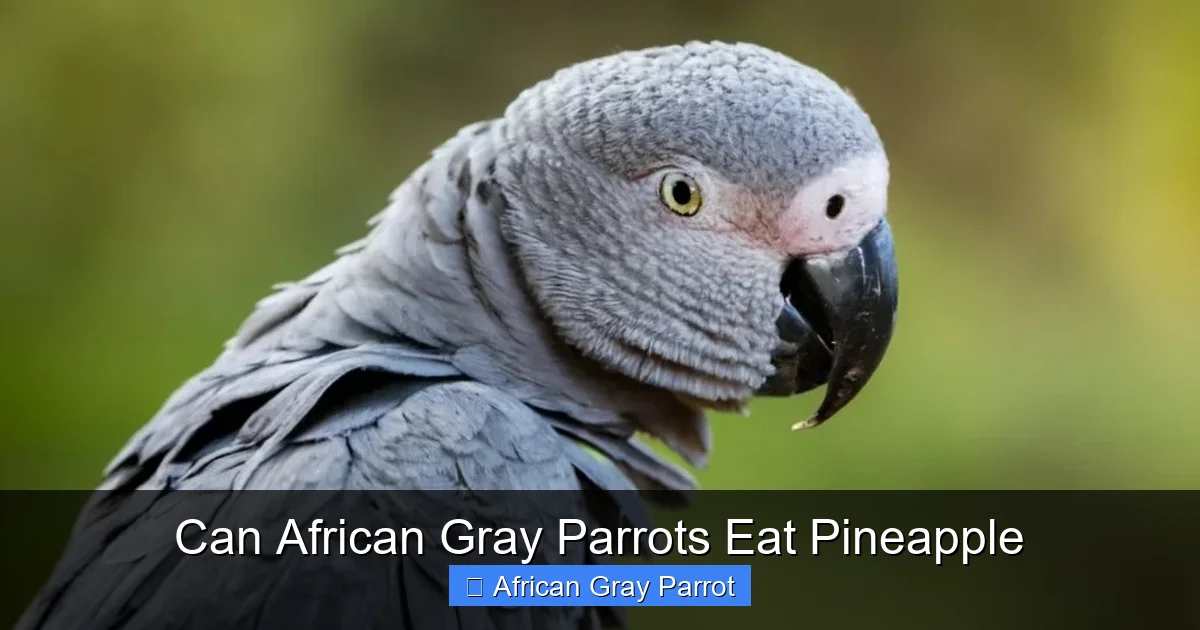
Only the soft, yellow flesh is safe for your parrot. The tough outer skin is a choking hazard and may contain pesticide residue. The hard central core is fibrous and difficult to digest. The spiky crown leaves are also unsafe.
Visual guide about
Image source: atractivopets.com
Always peel the pineapple completely. Cut the flesh into small, bite-sized chunks appropriate for your bird’s beak size. Remove any remaining eyes or brown spots. Fresh, ripe pineapple is best. Avoid canned pineapple, which often contains added syrup and preservatives.
How Much Pineapple Can an African Gray Eat?
Portion control is critical. A piece roughly the size of your thumbnail is a good serving for an adult African Gray. Offer this amount no more than one to two times per week. Pineapple should never exceed 5 to 10 percent of the total daily diet.
The bulk of your parrot’s nutrition must come from high-quality pellets, fresh vegetables, and limited healthy seeds. Fruit is a supplement, not a staple. Overfeeding fruit leads to nutritional imbalances and behavioral issues like screaming for sweets.
Are There Any Risks or Side Effects?
The main risks are sugar content and acidity. Excess sugar contributes to obesity and fatty liver disease, common in captive parrots. The acidity may irritate the mouth, crop, or digestive tract in sensitive birds. Watch for loose droppings or reluctance to eat after offering pineapple.
Some parrots develop a strong preference for sweet fruits and refuse healthier foods. This picky eating habit is hard to break. Rotate pineapple with lower-sugar fruits like berries, papaya, or apple to prevent fixation. Always introduce new foods slowly and monitor your bird’s reaction.
Can Baby African Gray Parrots Eat Pineapple?
Weaned baby African Grays can try tiny amounts of pineapple. Their digestive systems are still developing. Start with a piece half the size of an adult serving. Offer it only after the baby is eating a varied diet of pellets and vegetables well.
Hand-feeding formula should remain the primary nutrition source until fully weaned. Consult your avian veterinarian before adding any new food to a young bird’s diet. Babies are more susceptible to crop stasis and bacterial infections from sugary foods.
What Are Better Fruit Alternatives?
If you want to offer fruit more frequently, choose lower-sugar options. Excellent choices include:
- Blueberries and raspberries – high in antioxidants, low in sugar
- Papaya – contains digestive enzymes, softer texture
- Apple (no seeds) – crunchy, lower acidity
- Melon – hydrating, mild flavor
- Mango – nutritious but feed sparingly due to sugar
Vegetables should outnumber fruits in the daily chop. Dark leafy greens, bell peppers, carrots, and broccoli provide more nutrients with less sugar. Aim for a 70/30 or 80/20 vegetable-to-fruit ratio in fresh food offerings.
How Should I Prepare Pineapple for My Parrot?
Select a ripe, fragrant pineapple with green leaves and a slight give when pressed. Wash the exterior thoroughly. Cut off the top, bottom, and skin. Slice out the core. Dice the flesh into small cubes.
Serve at room temperature. Cold food can shock a bird’s crop. Place pieces in a separate treat bowl, not mixed with pellets. This prevents selective eating. Remove uneaten fresh food after two hours to prevent bacterial growth. Clean the bowl thoroughly afterward.
Can Pineapple Help With Feather Plucking?
Pineapple alone will not stop feather plucking. This complex behavior has medical, nutritional, and psychological causes. However, the vitamin C and antioxidants in pineapple support skin and feather health. Bromelain may reduce inflammation.
If your parrot plucks feathers, see an avian veterinarian immediately. A full workup includes blood tests, skin scrapings, and environmental review. Diet is one piece of the puzzle. A balanced diet, enrichment, proper humidity, and medical treatment work together to address plucking.
Conclusion
African Gray Parrots can eat pineapple safely in moderation. The fruit offers valuable nutrients but comes with high sugar and acidity. Limit servings to a thumbnail-sized piece once or twice weekly. Always serve fresh, peeled, and cored. Monitor your bird for any digestive changes. Remember that a pellet-based diet with abundant vegetables is the foundation of good health. Treats like pineapple add variety and enrichment, but they never replace balanced nutrition. When in doubt, ask your avian veterinarian for personalized feeding advice.