
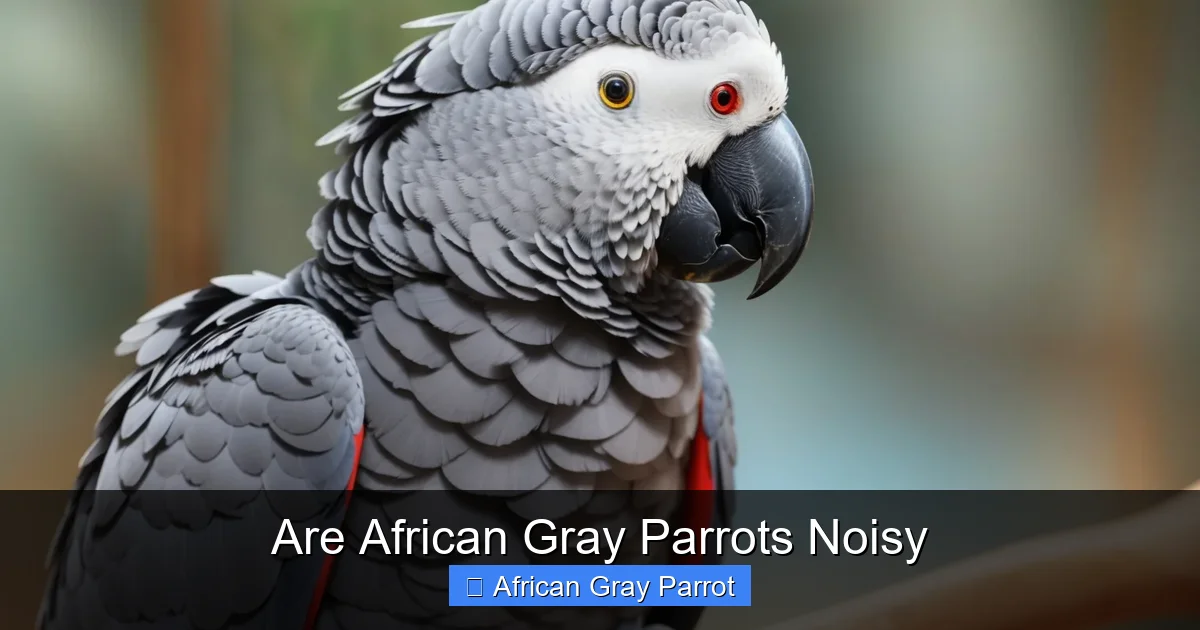
African Gray Parrots are moderately noisy birds known for their exceptional talking ability and mimicry. While not the loudest parrot species, they produce frequent vocalizations including words, whistles, and household sounds that can reach 70-90 decibels.
Featured image for
Image source: atractivopets.com
If you are considering an African Gray Parrot, noise is likely a top concern. These birds are famous for their intelligence and speech. But that same talent means they make sound. A lot of sound. This guide breaks down exactly how noisy they are, why they do it, and what you can do about it.
📑 Table of Contents
- How Loud Are African Gray Parrots?
- Why Do African Grays Make So Much Noise?
- Are They Noisier Than Other Parrots?
- When Are They Most Vocal?
- Can You Train An African Gray To Be Quieter?
- Does Talking Replace Screaming?
- Is An African Gray Right For An Apartment?
- What If My Bird Suddenly Gets Louder?
- Conclusion
How Loud Are African Gray Parrots?
African Grays are not the loudest parrots in the world. Macaws and Cockatoos hold that title. However, African Grays are persistent vocalizers. Their contact calls and alarm shrieks can hit 70 to 90 decibels. That is roughly the volume of a lawnmower or a busy restaurant.
They do not usually scream for hours like a Cockatoo might. Instead, they chatter constantly throughout the day. You will hear words, whistles, microwave beeps, and phone ringtones. This “background noise” is often more tiring for owners than the occasional loud scream.
Why Do African Grays Make So Much Noise?
Vocalization is natural parrot behavior. In the wild, these birds live in large flocks. They use sound to locate each other, warn of danger, and bond. Your home is now their flock. They call to you when you leave the room. This is a contact call. It is instinct, not bad behavior.
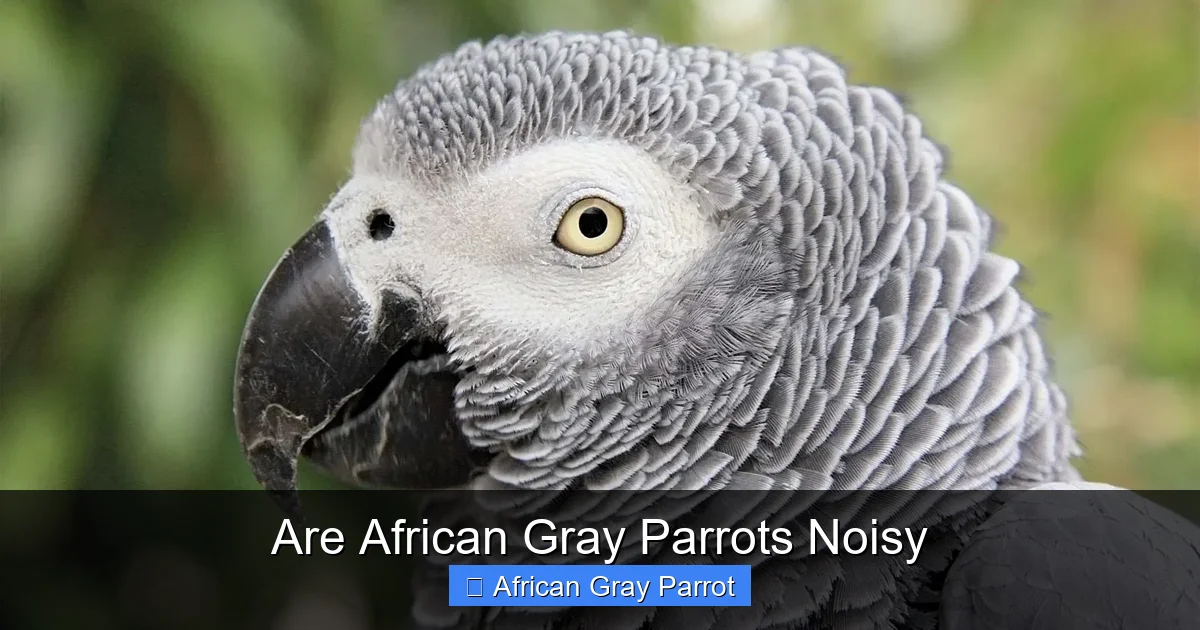
Visual guide about
Image source: cdn.britannica.com
Boredom is another major driver. An African Gray has the intelligence of a 3 to 5-year-old child. Without mental stimulation, they create their own entertainment. That entertainment is often loud. They also mimic sounds they hear frequently. If your house is loud, your bird will be loud.
Are They Noisier Than Other Parrots?
Comparison with Common Species
- Budgies/Cockatiels: Much quieter. Pleasant chirps.
- Conures: Higher pitch, often louder in volume.
- Amazons: Similar volume, but scream more frequently.
- Macaws/Cockatoos: Significantly louder. Can reach 100+ decibels.
African Grays sit in the middle. They are louder than small birds but quieter than the large “screamer” species. The difference is the complexity of the noise. A Conure screams. An African Gray recites your Wi-Fi password.
When Are They Most Vocal?
Expect peak noise at dawn and dusk. This mimics their wild routine of flock gathering and roosting. They will also get loud when you come home, when you are on the phone, or when they want attention. If you react to the noise—even by yelling “quiet”—you teach them that loud sounds get a response.
Can You Train An African Gray To Be Quieter?
You cannot train a parrot to be silent. That is unfair and unnatural. You can shape the volume and type of vocalization. The key is positive reinforcement. Reward quiet play or soft whistles with treats and praise. Ignore the screaming completely. Do not look at the bird. Do not speak to it. Wait for a moment of silence, then reward that silence.
Teach a “whisper” cue. When the bird lowers its volume naturally, say “whisper” and give a high-value treat. Over time, they associate the word with the action. Provide massive amounts of enrichment. Foraging toys, puzzle feeders, and shreddable wood keep their brain busy and their beak occupied. A tired bird is a quieter bird.
Does Talking Replace Screaming?
Many owners hope a talking bird won’t scream. This is a myth. African Grays do both. They often scream before they talk clearly. A young bird practices sounds loudly. A talking bird might scream “Hello!” at top volume instead of a generic shriek. The noise is still there; it just has words attached.
Is An African Gray Right For An Apartment?
This is risky. Thin walls do not stop 90-decibel contact calls. Neighbors will hear whistles, words, and alarm calls. If you live in an apartment, you need a solid plan. Heavy curtains, white noise machines, and a room located away from shared walls help. But the only real solution is a tolerant landlord and understanding neighbors. Be honest with yourself about your living situation before committing.
What If My Bird Suddenly Gets Louder?
A sudden increase in volume often signals a problem. Check for illness first. Pain or discomfort causes vocal changes. Look for environmental triggers. New construction outside? A new pet? A change in your schedule? Hormonal season (spring) also triggers louder, more territorial behavior. Rule out medical issues with an avian vet visit before assuming it is behavioral.
Conclusion
African Gray Parrots are noisy. They are not silent companions. They chatter, mimic, whistle, and scream. Their noise is complex, frequent, and often loud enough to carry through walls. However, they lack the ear-splitting, sustained scream of larger cockatoos or macaws. With consistent training, heavy enrichment, and a structured routine, you can manage the volume to a livable level. If you need a quiet home, this is not the bird for you. If you want a brilliant, chatty, feathered roommate who makes you laugh daily, the noise is the price of admission.