
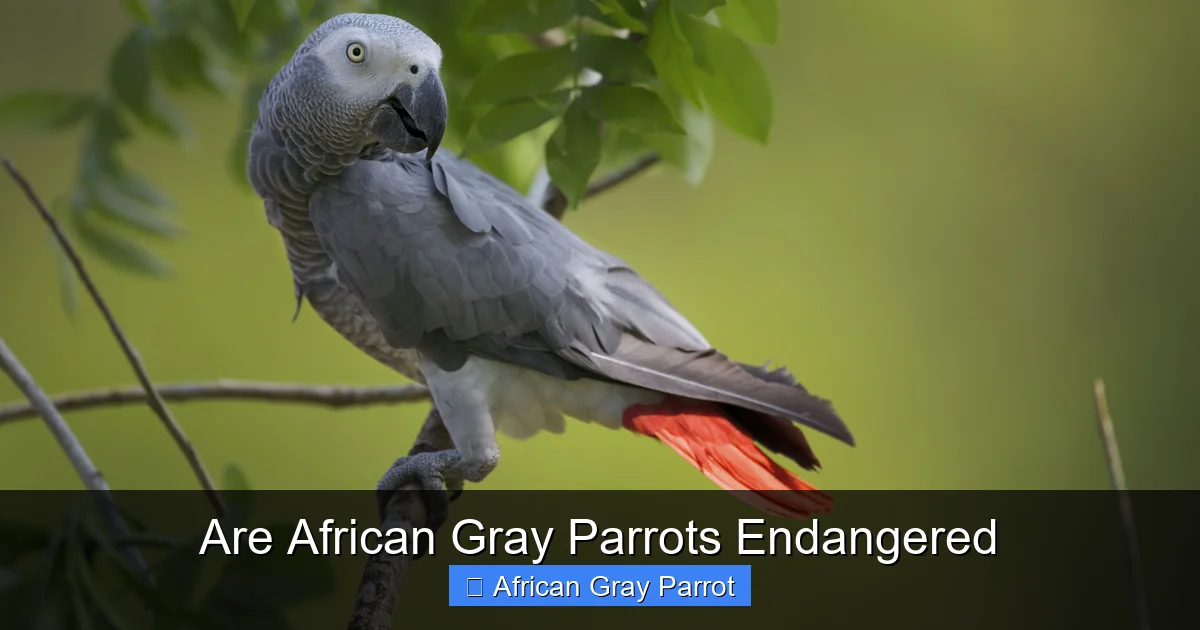
African Gray Parrots are officially classified as Endangered by the IUCN. Their wild populations have declined drastically due to trapping for the pet trade and deforestation. Conservation efforts are underway, but the species remains at high risk of extinction in the wild.
Featured image for
Image source: thesprucepets.com
African Gray Parrots are among the most intelligent birds on Earth. Their ability to mimic human speech and solve complex problems makes them popular pets. But this popularity comes at a steep price. Wild populations have plummeted over the past few decades. Many people ask: are African Gray Parrots endangered? The short answer is yes. This article breaks down their current status, the threats they face, and what is being done to save them.
📑 Table of Contents
- What Is the Current Conservation Status of African Gray Parrots?
- Why Are African Gray Parrots Endangered?
- Where Do African Gray Parrots Live in the Wild?
- Is It Legal to Own an African Gray Parrot?
- How Can You Help Protect African Gray Parrots?
- What Conservation Efforts Are in Place?
- Can African Gray Parrots Recover?
- Conclusion
What Is the Current Conservation Status of African Gray Parrots?
The International Union for Conservation of Nature (IUCN) lists the African Gray Parrot as Endangered. This classification changed in 2016. Before that, they were listed as Vulnerable. The upgrade reflects a rapid population decline across their native range in Central and West Africa.
There are two main subspecies: the Congo African Gray and the Timneh African Gray. Both are now considered Endangered. The Timneh African Gray was previously listed as Vulnerable but was uplisted in 2018. Scientists estimate that some regional populations have dropped by 90% or more since the 1990s.
Why Are African Gray Parrots Endangered?
The Illegal Pet Trade
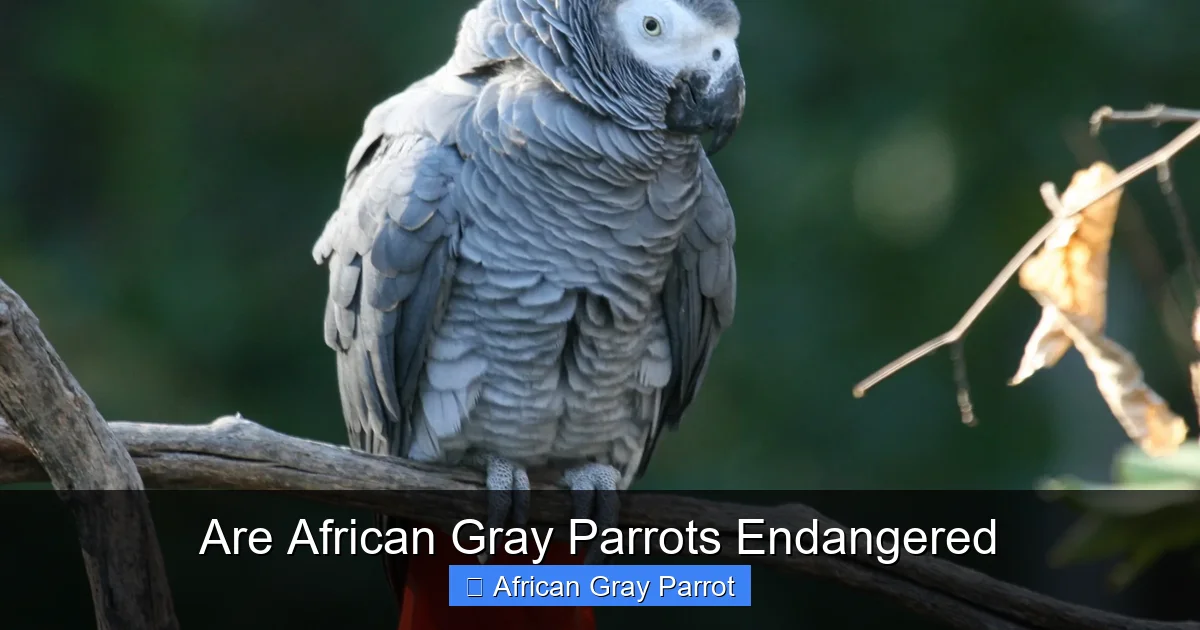
The biggest threat is the illegal pet trade. African Gray Parrots are highly sought after for their talking ability and intelligence. Trappers capture wild birds using glue traps and nets. Many birds die during capture or transport. For every parrot that reaches a market, several others perish.
Visual guide about
Image source: images.squarespace-cdn.com
Despite international bans, smuggling continues. Weak enforcement in some countries allows the trade to persist. Online markets and social media have made it easier for traffickers to connect with buyers worldwide.
Habitat Loss and Deforestation
African Gray Parrots rely on primary and secondary rainforests. They nest in large, old trees with cavities. Logging, agriculture, and mining destroy these nesting sites. As forests shrink, parrots lose both homes and food sources. Fragmented habitats also make them easier targets for trappers.
Lack of Breeding Success in the Wild
These parrots have low reproductive rates. They typically lay two to four eggs per clutch. Not all chicks survive. With fewer mature birds left in the wild, breeding pairs are scarce. This slows population recovery even if trapping stops.
Where Do African Gray Parrots Live in the Wild?
Their range spans across Central and West Africa. Countries include Ghana, Ivory Coast, Nigeria, Cameroon, Congo, Gabon, and the Democratic Republic of Congo. They prefer dense lowland rainforests but also visit forest edges, clearings, and mangroves.
In some areas, like Ghana, the species is nearly extinct in the wild. In others, such as parts of Gabon and Congo, populations remain but are declining. Protected areas offer some refuge, but even parks are not immune to poaching.
Is It Legal to Own an African Gray Parrot?
Ownership laws vary by country. In the United States, the Wild Bird Conservation Act bans the import of wild-caught African Gray Parrots. However, captive-bred birds can be legally owned with proper permits. The species is listed under CITES Appendix I, which prohibits international commercial trade of wild specimens.
In the European Union, trade is tightly regulated. Many African nations have banned exports. Before buying, always verify the bird is captive-bred and comes with legal documentation. Avoid sellers who cannot prove the bird’s origin.
How Can You Help Protect African Gray Parrots?
Adopt, Don’t Shop
If you want a parrot, consider adopting from a rescue or sanctuary. Many African Gray Parrots are surrendered by owners who cannot meet their complex needs. Adoption reduces demand for wild-caught birds.
Support Conservation Organizations
Groups like the World Parrot Trust, BirdLife International, and local NGOs work on the ground to protect habitats and combat trafficking. Donations fund anti-poaching patrols, community education, and habitat restoration.
Report Illegal Trade
If you see African Gray Parrots sold without paperwork, report it to wildlife authorities. In the U.S., contact the U.S. Fish and Wildlife Service. In other countries, reach out to national CITES management authorities.
Spread Awareness
Share accurate information about the species’ endangered status. Many buyers do not realize their pet may have been stolen from the wild. Education reduces demand and pressures governments to enforce laws.
What Conservation Efforts Are in Place?
Several initiatives aim to stabilize wild populations. The African Gray Parrot Conservation Action Plan coordinates efforts across range countries. Key actions include:
- Strengthening law enforcement at borders and markets
- Establishing and patrolling protected nesting areas
- Community-based monitoring programs
- Captive breeding for reintroduction (still experimental)
- Research on population trends and genetics
Some success stories exist. In Uganda and parts of Cameroon, community-led protection has reduced trapping. But funding and political will remain inconsistent across the region.
Can African Gray Parrots Recover?
Recovery is possible but not guaranteed. The species has a long lifespan (40-60 years in captivity) and high intelligence, which aids adaptability. If trapping stops and habitat is protected, populations could rebound over decades.
However, the window is narrowing. Climate change adds new pressure. Droughts and shifting fruiting patterns affect food availability. Continued global demand for pets keeps the black market alive. Immediate, sustained action is critical.
Conclusion
African Gray Parrots are endangered. The evidence is clear: wild populations are crashing due to the pet trade and habitat destruction. Legal protections exist but enforcement lags. Every person can make a difference by refusing to buy wild-caught birds, supporting conservation groups, and spreading awareness. These remarkable birds deserve a future in the wild, not just in cages. The time to act is now.