
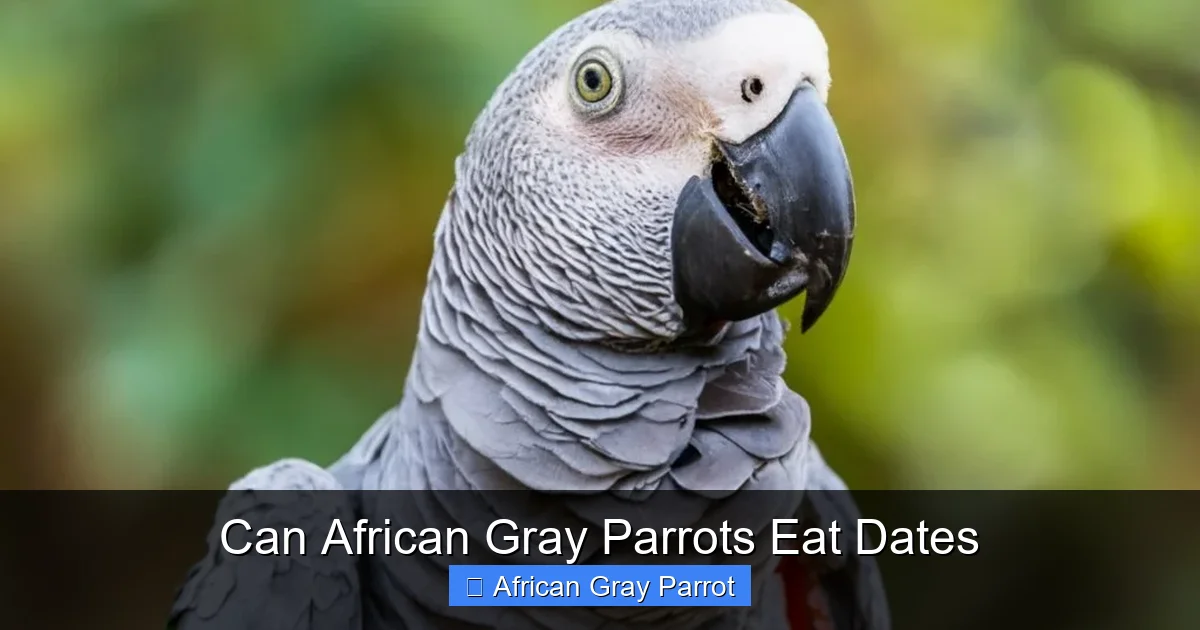
African Gray Parrots can eat dates as an occasional treat. These sweet fruits offer natural sugars, fiber, and essential minerals like potassium and magnesium. However, due to their high sugar content, dates should only make up a small portion of your parrot’s diet — no more than one or two small pieces per week.
Featured image for
Image source: atractivopets.com
Many parrot owners wonder about safe fruits for their feathered companions. Dates often come up in these discussions because they’re sweet, nutritious, and readily available. The short answer is yes — African Gray Parrots can eat dates. But like many human foods, moderation and proper preparation are key.
📑 Table of Contents
Are Dates Safe for African Gray Parrots?
Dates are non-toxic to African Gray Parrots. They contain no harmful compounds that would endanger your bird. The flesh of the date fruit is perfectly safe for consumption. However, the pit or seed poses a choking hazard and should always be removed before offering dates to your parrot.
Fresh dates and dried dates are both acceptable. Dried dates have concentrated sugars, so portion control becomes even more important. Always choose unsweetened, preservative-free dates. Many commercial dried fruits contain added sugars or sulfur dioxide, which are unnecessary and potentially harmful for birds.
What Nutritional Benefits Do Dates Provide?
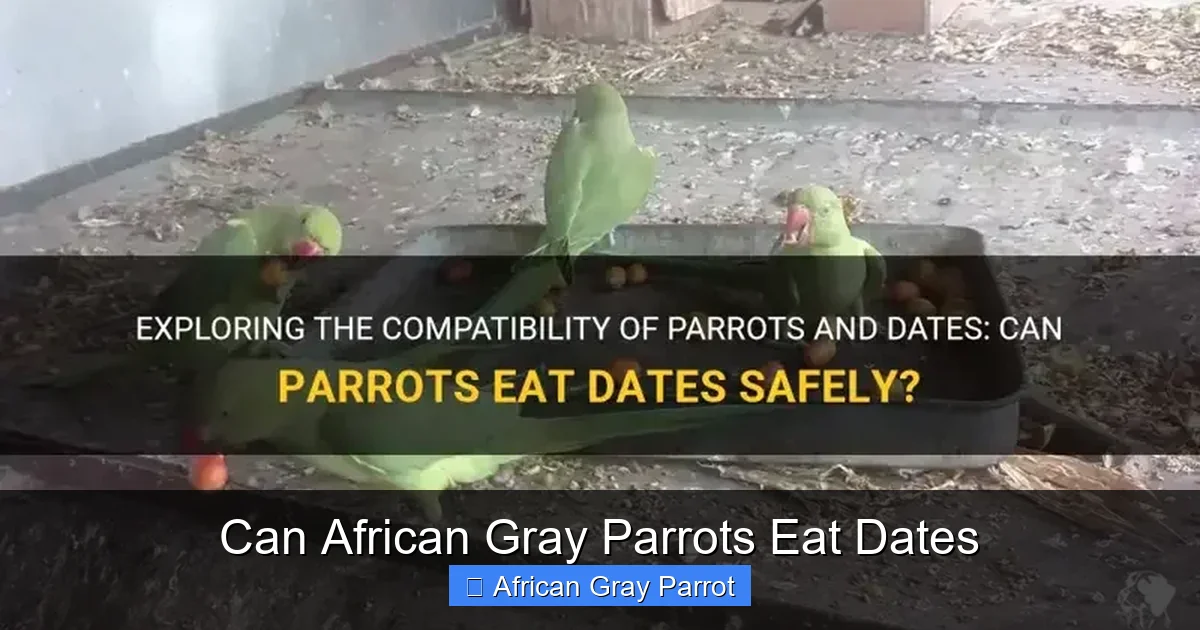
Dates pack several nutrients beneficial to African Gray Parrots. They’re rich in dietary fiber, which supports healthy digestion. The natural sugars — primarily fructose and glucose — provide quick energy. Dates also contain potassium for muscle function, magnesium for bone health, and vitamin B6 for metabolism.
Visual guide about
Image source: petshun.com
Antioxidants in dates, including flavonoids and carotenoids, help combat oxidative stress. Iron supports healthy blood formation. However, these benefits come with a caveat: dates are calorie-dense. A single Medjool date contains roughly 66 calories, which is significant for a bird weighing 400-600 grams.
How Many Dates Can an African Gray Parrot Eat?
Portion control is critical. Limit dates to one small piece — about the size of your fingernail — once or twice per week. For a medium-sized date, one-quarter of the fruit is sufficient. Think of dates as a treat, not a dietary staple. Your parrot’s primary nutrition should come from high-quality pellets, fresh vegetables, and limited healthy seeds.
Overfeeding dates can lead to weight gain, fatty liver disease, and behavioral issues from sugar highs and crashes. African Grays are prone to obesity, so monitoring treat intake is essential. If your bird is overweight or has health conditions like diabetes, consult your avian veterinarian before offering any high-sugar fruits.
How Should You Prepare Dates for Your Parrot?
Preparation is simple but important. Start by washing the date thoroughly, even if it’s pre-packaged. Remove the pit completely — it’s a choking hazard and contains trace compounds not ideal for birds. Cut the date into small, manageable pieces appropriate for your bird’s beak size.
For dried dates, you may want to soak them in warm water for a few minutes to soften the texture. This makes them easier to eat and reduces the risk of sticky pieces adhering to the beak or feathers. Always serve at room temperature. Never offer dates that show signs of mold, fermentation, or unusual odor.
Can You Mix Dates with Other Foods?
Yes, small date pieces can be mixed into a chop or foraging mix. This encourages natural foraging behavior and prevents your bird from filling up on just the sweet treat. Combine with vegetables like bell peppers, carrots, or leafy greens. Avoid mixing with other high-sugar fruits in the same serving.
What Are the Risks of Feeding Dates?
The primary risk is excessive sugar intake. African Gray Parrots have efficient metabolisms designed for a varied wild diet, not concentrated sugars. Regular overconsumption can contribute to obesity, feather plucking, and metabolic disorders. The sticky texture of dates can also cause temporary beak discomfort or feather matting if not cleaned properly.
Some parrots may develop a strong preference for sweet treats, leading to picky eating. They might reject healthier foods in favor of dates. Rotate treats regularly to prevent fixation on any single item. Offer dates alongside — not instead of — nutritious staples.
Signs of Overfeeding to Watch For
- Weight gain or visible fat deposits
- Loose droppings or diarrhea
- Decreased interest in pellets or vegetables
- Hyperactivity followed by lethargy
- Sticky feathers around the beak or face
What Are Better Daily Fruit Alternatives?
While dates are fine occasionally, other fruits offer better nutritional profiles for regular feeding. Berries — blueberries, raspberries, strawberries — are lower in sugar and high in antioxidants. Apple slices (seeds removed), pear, melon, and papaya provide variety with less sugar impact. Tropical fruits like mango and pineapple should also be limited due to sugar content.
Vegetables should outnumber fruits in your parrot’s diet. Dark leafy greens, bell peppers, carrots, broccoli, and sweet potatoes deliver essential nutrients without the sugar load. Aim for a diet of roughly 60-70% quality pellets, 20-30% vegetables, 5-10% fruits and treats, and minimal seeds or nuts.
Conclusion
African Gray Parrots can eat dates safely when offered in strict moderation. These sweet fruits provide fiber, minerals, and quick energy, but their high sugar content makes them a treat, not a staple. Remove pits, control portions, choose unsweetened varieties, and prioritize a balanced diet of pellets and vegetables. Your parrot will enjoy the occasional date without compromising health. When in doubt, your avian veterinarian can provide personalized dietary guidance for your feathered companion.