
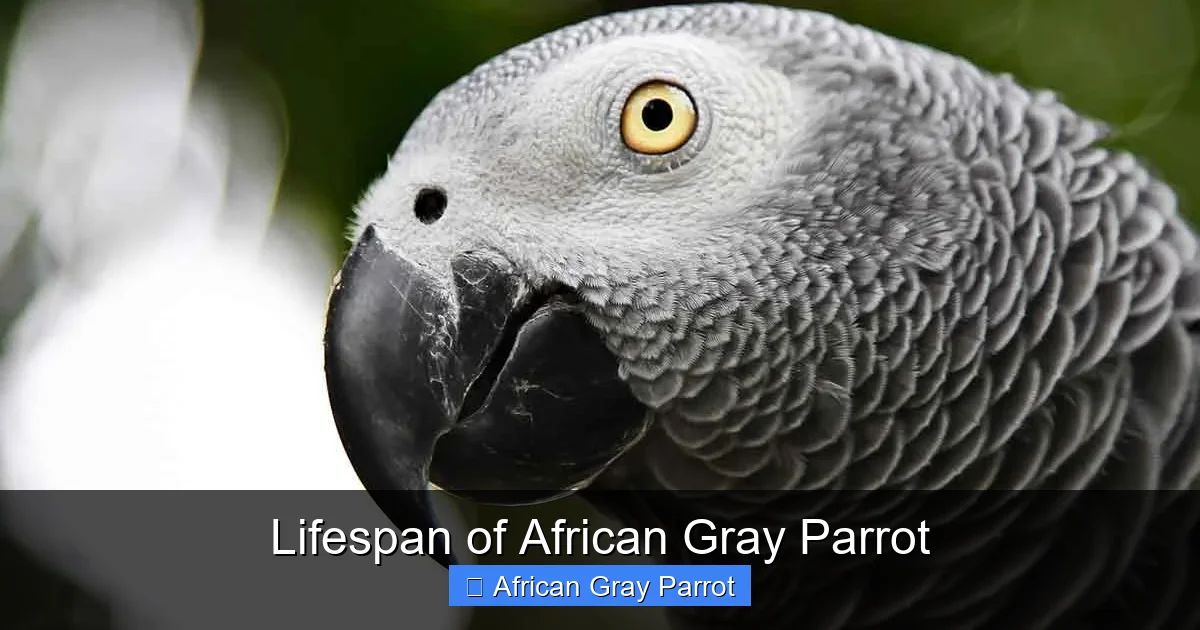
The lifespan of African Gray Parrot companions typically ranges from 40 to 60 years in captivity with proper care. These intelligent birds often outlive their owners, making them a lifelong commitment. Wild African grays face shorter lives due to predators and habitat loss.
Key Takeaways
- Captive lifespan: African gray parrots live 40-60 years in captivity with excellent care and nutrition
- Wild lifespan: Birds in the wild typically survive only 20-30 years due to predators, disease, and habitat challenges
- Diet matters: A balanced diet of pellets, fresh vegetables, fruits, and limited seeds dramatically extends life expectancy
- Mental stimulation: These highly intelligent birds need daily enrichment to prevent stress-related health issues
- Veterinary care: Annual checkups with an avian specialist catch problems early and add years to their life
- Environment counts: Proper cage size, lighting, humidity, and social interaction directly impact longevity
- Long-term planning: Owners should arrange lifetime care since these birds often outlive their human companions
Quick Answers to Common Questions
How long do African gray parrots live as pets?
African gray parrots typically live 40 to 60 years in captivity with proper care, though some reach 70 or even 80 years old.
What is the most common cause of death in captive African grays?
Poor nutrition, especially seed-only diets leading to fatty liver disease and vitamin deficiencies, is the leading preventable cause of early death.
Do African grays need a special vet?
Yes, they require an avian veterinarian with specialized training. General dog and cat vets lack the expertise to properly diagnose and treat parrots.
Can African grays die from loneliness?
Chronic isolation causes severe stress, leading to feather plucking, self-mutilation, immune suppression, and shortened lifespan. They need daily social interaction.
At what age is an African gray considered a senior?
African grays enter their senior years around 30 to 40 years old, though well-cared-for birds may show few aging signs until much later.
📑 Table of Contents
- Understanding the Lifespan of African Gray Parrot Birds
- Wild vs Captive: A Tale of Two Lifespans
- Nutrition: The Foundation of Longevity
- Physical Health and Preventive Care
- Mental Well-Being: The Hidden Factor in Longevity
- Environmental Optimization
- The Senior Years: Aging Gracefully
- Planning for the Inevitable: Lifetime Care Arrangements
- Conclusion: A Partnership for Decades
Understanding the Lifespan of African Gray Parrot Birds
When you bring home an African gray parrot, you are not just getting a pet. You are gaining a feathered family member who might be with you for decades. The lifespan of African gray parrot companions is one of the longest in the bird world. Many owners find themselves planning for their bird’s future in their will. It is a big responsibility. But it is also a wonderful journey.
These birds are famous for their intelligence. They can learn hundreds of words. They understand concepts like color, shape, and number. Some researchers compare their cognitive abilities to a five-year-old human child. That big brain needs a lot of stimulation. It also needs a healthy body to support it. The lifespan of African gray parrot birds depends heavily on how well we meet both their physical and mental needs.
In this guide, we will explore everything that affects how long these amazing birds live. We will look at the differences between wild and captive life. We will cover diet, exercise, medical care, and emotional well-being. Whether you are a new owner or have had your gray for years, you will find practical tips to help your feathered friend thrive for as long as possible.
Wild vs Captive: A Tale of Two Lifespans
Life in the Wild
Wild African gray parrots face a very different reality than their captive cousins. In the forests of West and Central Africa, the lifespan of African gray parrot birds averages only 20 to 30 years. Many do not even reach adulthood. The challenges are numerous and relentless.
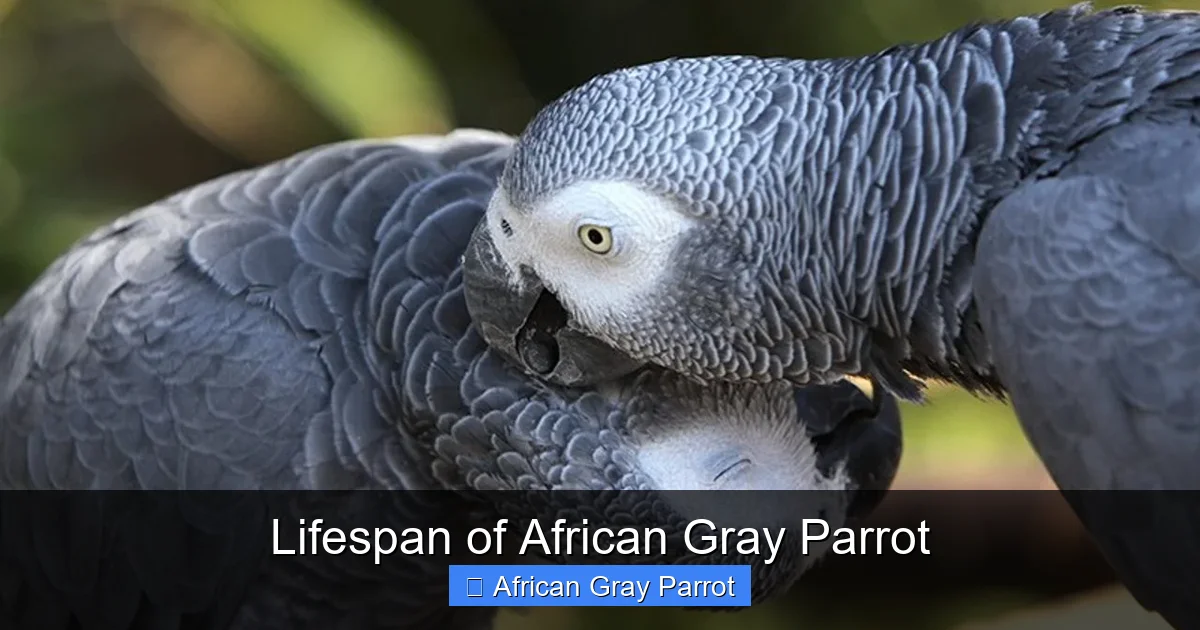
Visual guide about Lifespan of African Gray Parrot
Image source: ultimatebirds.org
Predators are a constant threat. Hawks, eagles, and falcons hunt from above. Snakes and mammals raid nests for eggs and chicks. Even adult birds must stay vigilant. Disease spreads quickly in wild flocks. Psittacine beak and feather disease, avian bornavirus, and parasitic infections take a heavy toll. There are no veterinarians in the forest canopy.
Food security is another major factor. Wild grays eat a varied diet of palm nuts, seeds, fruits, and leafy matter. But habitat destruction from logging and agriculture reduces their foraging grounds. Climate change affects fruiting seasons. During lean times, malnutrition weakens birds and makes them susceptible to illness. The illegal pet trade also removes breeding adults from the population, further threatening the species.
Life in Captivity
The lifespan of African gray parrot birds in captivity tells a very different story. With proper care, these parrots routinely live 40 to 60 years. Some well-documented cases reach 70 or even 80 years. The oldest recorded African gray lived to be 90 years old. That is a remarkable difference from their wild counterparts.
Why such a gap? Captive birds have consistent nutrition. They have protection from predators. They receive veterinary care when sick. They do not face habitat loss or climate extremes. Their environment is controlled for temperature, humidity, and light cycles. But captivity brings its own challenges. Obesity, boredom, and stress-related behaviors can shorten lives if not managed well.
The key takeaway is this: the potential for a long life exists in captivity. But it is not automatic. The lifespan of African gray parrot companions depends entirely on the quality of care they receive. Every decision you make about diet, housing, enrichment, and healthcare adds up over the decades.
Nutrition: The Foundation of Longevity
Moving Beyond Seeds
For decades, seeds were the standard parrot diet. We now know that an all-seed diet is a recipe for early death. Seeds are high in fat and low in essential nutrients. They lack vitamin A, calcium, and amino acids. Birds on seed-only diets develop fatty liver disease, obesity, and nutritional deficiencies. These conditions dramatically reduce the lifespan of African gray parrot birds.
Modern avian nutrition science recommends a base diet of high-quality formulated pellets. Pellets should make up 60 to 70 percent of the daily intake. Look for brands developed by avian veterinarians and nutritionists. Avoid pellets with artificial colors, flavors, or preservatives. The pellet size should be appropriate for a medium-large parrot.
The Power of Fresh Foods
The remaining 30 to 40 percent of the diet should be fresh, whole foods. This is where you can make a huge impact on the lifespan of African gray parrot companions. Dark leafy greens are essential. Offer kale, collard greens, mustard greens, Swiss chard, and dandelion greens daily. These provide vitamin A, calcium, and phytonutrients.
Orange and red vegetables are equally important. Sweet potatoes, carrots, red bell peppers, butternut squash, and pumpkin are rich in beta-carotene. This converts to vitamin A, critical for immune function, skin health, and vision. Steam or lightly cook hard vegetables to improve digestibility. Always cool completely before serving.
Fruits add variety and antioxidants. Berries are nutritional powerhouses. Blueberries, raspberries, blackberries, and strawberries fight oxidative stress. Pomegranate, papaya, mango, and kiwi offer unique nutrient profiles. Limit high-sugar fruits like grapes and bananas to occasional treats. Remove all pits and seeds from stone fruits and apples.
Healthy Fats and Protein
African grays need some fat in their diet, but the source matters. Wild birds eat palm nuts which are rich in healthy oils. In captivity, offer raw, unsalted nuts in moderation. Walnuts, almonds, pistachios, and Brazil nuts provide omega-3 fatty acids. Limit to a few pieces daily. Nuts are calorie-dense. Overfeeding leads to obesity.
Protein needs are met primarily through pellets. But you can offer cooked legumes, quinoa, or a small piece of hard-boiled egg weekly. Sprouted seeds and grains are excellent. They are living foods packed with enzymes and increased nutrient bioavailability. Sprouting is easy at home and many grays love the texture.
Foods to Avoid
Certain foods are toxic or harmful to parrots. Never feed avocado, chocolate, caffeine, alcohol, onions, garlic, or mushrooms. Avoid rhubarb, tomato leaves, and potato skins. Limit salt, sugar, and processed human foods. Dairy products are poorly digested by birds. The lifespan of African gray parrot birds can be cut short by a single toxic exposure.
Water and Supplements
Fresh, clean water must be available at all times. Change it at least twice daily. Many grays love to dunk food in water, creating bacterial soup. Consider a water bottle in addition to a bowl. This ensures clean drinking water even if the bowl gets messy.
Most birds on a proper pellet and fresh food diet do not need vitamin supplements. Over-supplementation can be dangerous. Fat-soluble vitamins A, D, E, and K accumulate in the body. Excess causes toxicity. Only supplement under the guidance of an avian veterinarian. Calcium may be needed for breeding females or birds on seed-heavy diets transitioning to pellets.
Physical Health and Preventive Care
Finding an Avian Veterinarian
This is the single most important step for maximizing the lifespan of African gray parrot companions. Dogs and cats see general practice vets. Parrots need specialists. Avian veterinarians have additional training in bird anatomy, physiology, and diseases. They understand the unique metabolism of parrots. They can detect subtle signs of illness that general vets miss.
Find an avian vet before you need one. Schedule a wellness exam within the first week of bringing your bird home. Establish a baseline. Then commit to annual checkups. Birds are masters at hiding illness. In the wild, a sick bird gets eaten. This instinct remains strong. By the time you see obvious symptoms, the disease is often advanced. Regular blood work and physical exams catch problems early when they are treatable.
Common Health Concerns
African grays have some species-specific health issues. Understanding these helps you watch for early warning signs. Hypocalcemia, or low blood calcium, is common in African grays. They have a higher calcium requirement than many other parrots. Symptoms include weakness, tremors, seizures, and difficulty walking. A proper diet prevents this. But some birds need supplementation.
Feather destructive behavior, including plucking and barbering, affects many captive grays. This is often a symptom of underlying medical or psychological issues. Skin infections, allergies, hormonal imbalances, and boredom can all trigger plucking. Work with your avian vet to rule out medical causes first. Then address environmental and behavioral factors.
Respiratory issues are another concern. Parrots have a unique respiratory system with air sacs. They are extremely sensitive to airborne toxins. Teflon fumes from overheated non-stick cookware can kill a bird in minutes. Aerosol sprays, scented candles, air fresheners, cigarette smoke, and cleaning chemicals irritate their airways. The lifespan of African gray parrot birds is shortened by chronic respiratory inflammation.
Aspergillosis is a fungal infection of the respiratory tract. It thrives in damp, poorly ventilated environments. Symptoms include voice changes, breathing difficulty, and weight loss. Prevention through good hygiene and ventilation is far easier than treatment. Treatment is long, expensive, and not always successful.
Weight Monitoring
Buy a good digital gram scale. Weigh your bird weekly, at the same time of day, before breakfast. Keep a log. A 5 to 10 percent weight loss is significant. A 10 percent gain indicates obesity. Both warrant a vet visit. Weight trends often reveal illness before any other sign appears. This simple habit can add years to the lifespan of African gray parrot companions.
Grooming Needs
Regular grooming maintains health and comfort. Nails need trimming every few months. Overgrown nails catch on toys and cage bars, causing injuries. They also affect perching posture, leading to foot problems. Learn to trim nails yourself or have your vet do it. Beak trims are rarely needed if the bird has proper chewing toys. An overgrown beak often signals liver disease or malnutrition.
Bathing is essential for feather and skin health. Most grays enjoy a gentle misting with a spray bottle. Some prefer a shallow dish of water. Others like to join you in the shower on a suction perch. Offer bathing opportunities several times a week. Dry thoroughly before bedtime to prevent chilling. Good feather condition supports temperature regulation and flight.
Mental Well-Being: The Hidden Factor in Longevity
Intelligence Demands Engagement
The lifespan of African gray parrot birds is not just about physical health. Their mental state profoundly affects their longevity. These are among the smartest animals on Earth. Dr. Irene Pepperberg’s work with Alex the African gray showed they can count, categorize objects, understand concepts like same and different, and even grasp the concept of zero. A brain this capable cannot sit idle in a cage.
Boredom leads to stress. Chronic stress elevates cortisol levels. This suppresses immune function, increases inflammation, and damages organs over time. Stressed birds develop stereotypies. These are repetitive, functionless behaviors like pacing, head bobbing, or feather plucking. Stereotypies indicate compromised welfare. They also cause physical harm. The lifespan of African gray parrot companions is shortened by untreated psychological distress.
Enrichment Strategies
Enrichment is not optional. It is a daily requirement. Rotate toys weekly. Novelty stimulates the brain. Offer different types of toys. Foraging toys make the bird work for food. This mimics natural behavior. Puzzle toys challenge problem-solving skills. Shreddable toys satisfy the urge to destroy. Foot toys develop dexterity. Musical toys provide auditory stimulation.
Foraging is especially important. In the wild, parrots spend 50 to 70 percent of their day searching for food. In captivity, food appears in a bowl. This leaves a huge behavioral void. Fill it by hiding food in foraging toys, wrapping treats in paper, stuffing vegetables into pine cones, or using commercial foraging systems. Start simple and increase difficulty as your bird learns.
Social Needs
African grays are flock animals. In the wild, they live in large groups. They are never alone. Isolation is terrifying for a prey species. In a human home, you are the flock. Your bird needs several hours of direct interaction daily. This does not mean constant cuddling. It means being in the same room, talking to them, involving them in activities, and respecting their communication.
Training is a powerful form of interaction. Positive reinforcement training builds trust. It provides mental exercise. It gives the bird a way to communicate and earn rewards. Teach useful behaviors like step up, recall, and crate training. Teach fun tricks like wave, turn around, or retrieve. Keep sessions short, 5 to 10 minutes, a few times daily. Training strengthens your bond and reduces behavior problems.
Sleep Requirements
Sleep is when the brain consolidates learning and the body repairs itself. African grays need 10 to 12 hours of uninterrupted, dark, quiet sleep each night. Inadequate sleep causes irritability, immune suppression, and hormonal imbalances. Use a cage cover or a separate sleep cage in a quiet room. Maintain a consistent schedule. The lifespan of African gray parrot birds benefits enormously from good sleep hygiene.
Environmental Optimization
Cage Selection and Setup
The cage is your bird’s home base. It should be as large as your space and budget allow. Minimum dimensions for an African gray are 36 inches wide, 24 inches deep, and 48 inches tall. Bar spacing should be 3/4 to 1 inch. Horizontal bars on at least two sides allow climbing. Powder-coated or stainless steel is best. Avoid zinc-coated or lead-painted cages. Heavy metal toxicity shortens the lifespan of African gray parrot birds significantly.
Perch variety is critical for foot health. Provide natural wood branches of varying diameters. Manzanita, dragonwood, and java wood are durable and safe. Include a rope perch for comfort and a cement or sand perch for nail maintenance. Place perches strategically. Avoid positioning them directly over food and water bowls. Ensure the bird can fully extend wings without hitting bars.
Lighting and Air Quality
Full-spectrum lighting with UVB output is essential for indoor birds. UVB enables vitamin D3 synthesis. This allows calcium absorption. Without it, birds develop metabolic bone disease. Replace UVB bulbs every 6 to 12 months. The UV output degrades before visible light dims. Position the light 12 to 18 inches above the cage. Provide a photoperiod that mimics natural seasons. 12 hours light, 12 hours dark is a good baseline.
Temperature and Humidity
African grays originate in tropical regions. They thrive at 65 to 80 degrees Fahrenheit. Avoid drafts and sudden temperature changes. Humidity should be 40 to 60 percent. Dry air causes respiratory irritation and feather issues. Use a humidifier in winter. Monitor with a hygrometer. Mist the bird regularly. Good environmental parameters reduce stress on the body and support a longer lifespan of African gray parrot companions.
Safety Hazards
Bird-proof your home like you would for a curious toddler. Ceiling fans must be off when the bird is out. Windows and mirrors need decals. Toilet lids stay down. Open water sources are drowning hazards. Electrical cords need covers. Many houseplants are toxic. Research every plant before bringing it home. The lifespan of African gray parrot birds ends tragically often due to preventable household accidents.
The Senior Years: Aging Gracefully
Recognizing Aging
African grays are considered senior around 30 to 40 years old. But with excellent care, many show few signs until much later. Subtle changes appear gradually. You might notice less vigorous play. Naps become more frequent. Feathers may lose some iridescence. The iris color lightens with age in some individuals. Arthritis is common in older birds. They may hesitate to climb or prefer lower perches.
Adapting Care for Seniors
Modify the environment for aging joints. Add platform perches and ladders. Lower food and water dishes. Provide heated perches or a panel heater for arthritis comfort. Increase vet visits to twice yearly. Senior blood panels monitor organ function. Kidney and liver issues become more common with age. Early detection allows dietary adjustments and medications that extend quality life.
Diet may need modification. Some seniors have reduced digestive efficiency. Soaked or sprouted foods are easier to process. Supplements like glucosamine, omega-3s, and probiotics may help. Always consult your avian vet before adding supplements. The lifespan of African gray parrot birds in their golden years depends on proactive, adaptive care.
Cognitive Health
Cognitive decline can occur in very old parrots. Signs include disorientation, changed sleep patterns, reduced vocalization, and altered social interaction. Continue mental stimulation but adjust difficulty. Familiar toys and routines provide comfort. Avoid major changes. Patience and understanding are key. Your senior bird has given you decades of companionship. Return the favor with gentle, attentive care.
Planning for the Inevitable: Lifetime Care Arrangements
The Reality of Outliving Your Bird
Because the lifespan of African gray parrot companions often exceeds 50 years, many owners face a unique challenge. Your bird may outlive you. Or your life circumstances may change. Illness, financial hardship, housing changes, or family obligations can make care impossible. Responsible ownership means planning for these possibilities before they happen.
Legal and Practical Steps
Include your bird in your will. Designate a caregiver who knows and loves your bird. Provide a care fund. A pet trust is legally binding in many jurisdictions. It ensures funds are used only for your bird’s care. Write a detailed care guide. Include diet, medications, vet contact, daily routine, likes and dislikes, and behavioral quirks. Update it annually.
Build a support network. Connect with other parrot owners. Join local bird clubs. Identify reputable rescues and sanctuaries. Visit them. Know their policies. The lifespan of African gray parrot birds creates a moral obligation to ensure they never end up neglected or abandoned.
Conclusion: A Partnership for Decades
The lifespan of African gray parrot companions is a testament to their resilience and our capacity for care. These remarkable birds ask for so much. They need specialized nutrition, expert medical care, mental challenges, social connection, and a safe environment. In return, they offer something rare. They offer a relationship that spans decades. They learn your routines. They mimic your laugh. They comfort you on bad days. They become a witness to your life.
Every choice you make today echoes into their future. The pellet brand you choose. The toy you rotate in. The vet visit you schedule. The hour you spend talking instead of scrolling. These moments accumulate into a long, healthy life. The lifespan of African gray parrot birds is not a fixed number. It is a possibility shaped by love, knowledge, and dedication.
If you are considering an African gray, understand the commitment. If you already share your life with one, know that your daily efforts matter profoundly. You are not just keeping a bird alive. You are nurturing a brilliant, sensitive being who trusts you completely. That trust is a gift. Honor it with the best care you can provide. The years you gain together will be your reward.
Frequently Asked Questions
What is the average lifespan of an African gray parrot in captivity?
The average lifespan of African gray parrot companions in captivity is 40 to 60 years with proper care. Many birds exceed this range, reaching 70 or even 80 years when provided with optimal nutrition, veterinary care, and mental stimulation throughout their lives.
How does the lifespan of African gray parrots in the wild compare to captivity?
Wild African grays typically live only 20 to 30 years due to predation, disease, habitat loss, food scarcity, and the illegal pet trade. Captive birds live nearly twice as long because they are protected from these threats and receive consistent nutrition and medical care.
What diet maximizes the lifespan of African gray parrot birds?
A diet of 60-70% high-quality pellets supplemented with 30-40% fresh vegetables, fruits, healthy nuts, and occasional protein sources maximizes longevity. Avoid seed-only diets, which cause fatal nutritional deficiencies and fatty liver disease over time.
How often should I take my African gray to the vet?
Schedule annual wellness exams with an avian veterinarian. Senior birds over 30 should visit twice yearly. Immediate vet attention is needed for any changes in appetite, droppings, behavior, breathing, or weight, as birds hide illness until it becomes critical.
Can mental health affect the lifespan of African gray parrots?
Absolutely. These highly intelligent birds require daily mental stimulation, social interaction, and foraging opportunities. Chronic boredom and isolation cause stress-related illnesses, feather destruction, and immune suppression that significantly shorten their lifespan.
What environmental factors are most important for a long-lived African gray?
Key factors include a spacious cage with varied perches, full-spectrum UVB lighting for vitamin D3 synthesis, 10-12 hours of dark quiet sleep, stable tropical temperatures (65-80°F), 40-60% humidity, and a bird-proofed home free from toxic fumes, ceiling fans, and other hazards.