
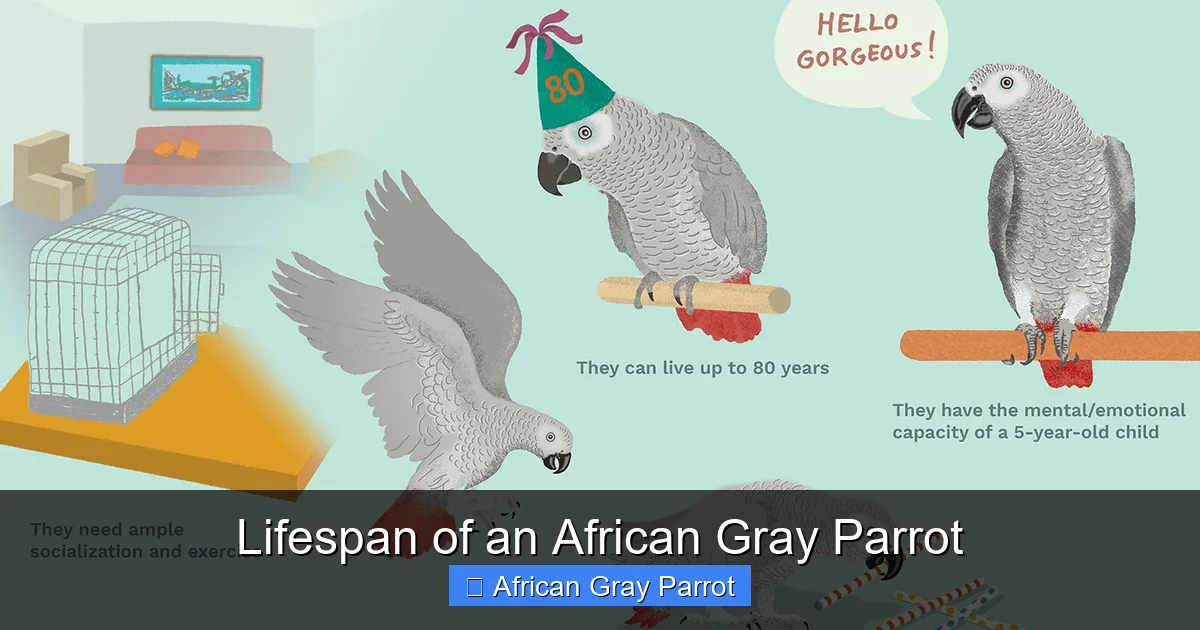
The lifespan of an African Gray Parrot can reach 50 to 60 years in captivity, while wild birds usually live 20 to 30 years. Proper diet, regular vet care, mental stimulation, and a safe environment are the main drivers of a longer life. With the right care, your feathered companion can be a lifelong friend.
Key Takeaways
- Average captive lifespan: 50‑60 years with good care.
- Wild lifespan: Typically 20‑30 years due to predators and food scarcity.
- Diet matters: A varied, nutrient‑rich diet adds years.
- Veterinary check‑ups: Early disease detection extends life.
- Enrichment is essential: Toys, foraging, and social time prevent boredom and stress.
- Genetics play a role: Some lines are naturally longer‑lived.
- Commitment required: Owning an African Gray Parrot is a multi‑decade responsibility.
Quick Answers to Common Questions
How long does an African Gray Parrot live in captivity?
With proper care, an African Gray Parrot typically lives 50 to 60 years, and some individuals reach their 70s or 80s.
What is the average lifespan in the wild?
Wild African Gray Parrots usually live 20 to 30 years due to predators, habitat loss, and disease.
Which diet helps extend their lifespan?
A diet based on high‑quality pellets, fresh vegetables, limited fruits, and occasional nuts supports longevity.
Do African Gray Parrots need a companion bird?
They thrive on social interaction; if you cannot spend several hours daily, a second bird or regular human visits help prevent loneliness.
How often should I take my parrot to the vet?
An annual avian vet exam is recommended, with more frequent visits for senior birds or any health concerns.
📑 Table of Contents
Introduction
If you are thinking about bringing an African Gray Parrot into your home, you probably wonder how long this brilliant bird will be part of your family. The lifespan of an African Gray Parrot is one of the longest among pet birds. Many owners are surprised to learn that their feathered friend can outlive them. This article breaks down the numbers, explains what influences longevity, and gives you practical steps to help your parrot thrive for decades.
We will look at wild versus captive lifespans, the role of diet, health care, environment, and social needs. You will also find real‑world examples and simple tips you can start using today. Whether you are a first‑time bird owner or a seasoned avian enthusiast, this guide will help you plan for a long, happy life together.
Understanding the Species
What Is an African Gray Parrot?
The African Gray Parrot is a medium‑sized parrot native to the rainforests of West and Central Africa. It is famous for its exceptional talking ability and high intelligence. The bird has a mostly gray plumage, a bright red tail, and a strong, curved beak. Its cognitive skills are often compared to those of a young child. Because of this intelligence, the bird needs mental challenges every day.
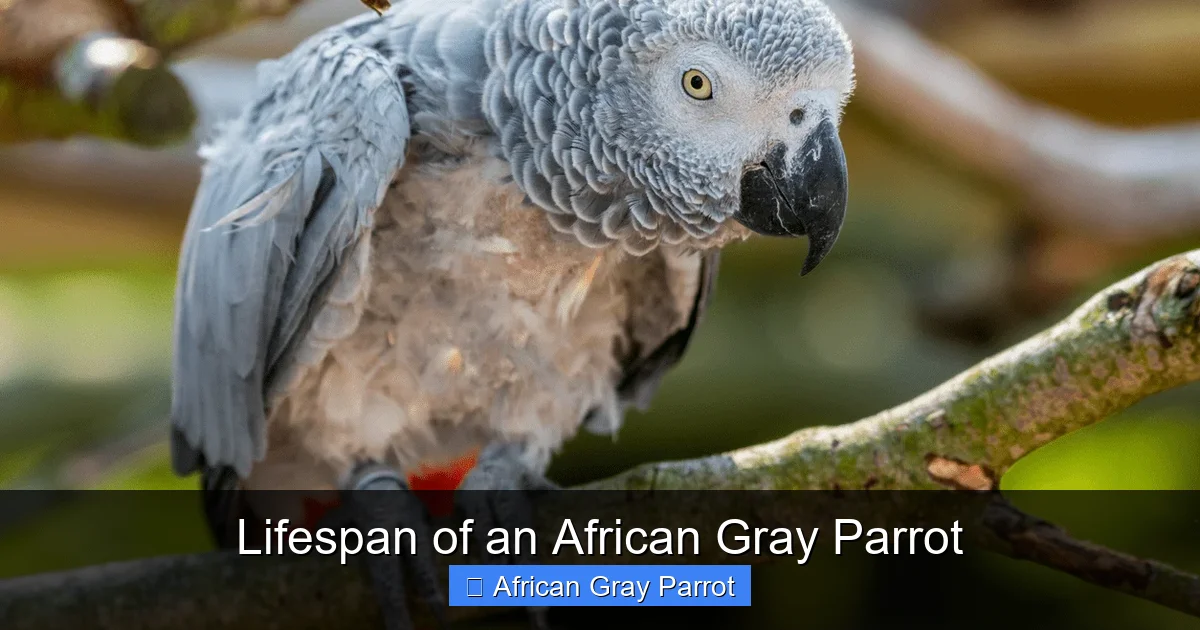
Visual guide about Lifespan of an African Gray Parrot
Image source: petrestart.com
Two Main Subspecies
There are two recognized subspecies: the Congo African Gray (Psittacus erithacus erithacus) and the Timneh African Gray (Psittacus erithacus timneh). The Congo is larger, with a lighter gray body and a bright red tail. The Timneh is smaller, darker, and has a maroon tail. Both subspecies share similar lifespan ranges, but the Congo is more common in the pet trade.
Average Lifespan in the Wild
Survival Challenges
In the wild, the lifespan of an African Gray Parrot is limited by many threats. Predators such as hawks, snakes, and mammals target eggs, chicks, and even adult birds. Habitat loss from logging and agriculture reduces food sources and nesting sites. Illegal trapping for the pet trade also removes many individuals from the population. Disease outbreaks can spread quickly in dense flocks.
Typical Wild Lifespan Numbers
Researchers estimate that a wild African Gray Parrot lives between 20 and 30 years. Some individuals may reach 35 years if they avoid predators and find stable food. However, the average is lower because many birds die young. The wild lifespan of an African Gray Parrot is therefore significantly shorter than the captive lifespan.
Lifespan in Captivity
Why Captive Birds Live Longer
When kept as pets, African Gray Parrots benefit from consistent food, protection from predators, and veterinary care. These factors dramatically increase their life expectancy. The lifespan of an African Gray Parrot in captivity commonly reaches 50 to 60 years. There are documented cases of birds living into their 70s and even early 80s. The key is a stable, enriched environment that meets all physical and psychological needs.
Record Ages and Stories
One famous Congo African Gray named “Alex” lived to be 31 years old while participating in groundbreaking language research. Another pet, “Cookie,” reached 82 years in a private home, making headlines as one of the oldest known parrots. These stories show the upper limits of the lifespan of an African Gray Parrot when care is optimal. They also remind us that each bird is an individual; genetics and early life conditions matter.
Factors That Influence Longevity
Diet and Nutrition
A balanced diet is the foundation of a long life. In the wild, African Gray Parrots eat a variety of seeds, nuts, fruits, and leafy vegetation. In captivity, a high‑quality pellet should make up 60‑70 % of the diet. Fresh vegetables like kale, carrots, and bell peppers add vitamins. Fruits such as berries, apples, and pomegranate provide antioxidants. Nuts and seeds are treats, not staples, because they are high in fat. Avoid chocolate, avocado, caffeine, and alcohol – they are toxic.
Healthcare and Vet Visits
Regular avian veterinary check‑ups catch problems early. An annual exam includes weight monitoring, feather condition, beak and nail health, and blood work if needed. Vaccinations are not routine for parrots, but parasite screening is important. Beak overgrowth, feather plucking, and respiratory infections are common issues that shorten the lifespan of an African Gray Parrot if left untreated. A trusted avian vet is a lifelong partner.
Environment and Enrichment
The cage should be as large as possible – at least 36 inches wide, 24 inches deep, and 48 inches tall for a single bird. Horizontal bars allow climbing. Provide multiple perches of varying diameters and textures to exercise feet. Rotate toys weekly to prevent boredom. Foraging toys that hide food mimic natural behavior. A safe, bird‑proof room for out‑of‑cage time adds exercise and mental stimulation.
Social Interaction and Mental Stimulation
African Gray Parrots are highly social. They need daily interaction with their human flock. Talking, training, and simple games keep the brain sharp. Loneliness leads to stress, feather destructive behavior, and illness. If you work long hours, consider a second bird or a trusted caregiver who can visit. Consistent routine and positive reinforcement training build trust and reduce anxiety.
Practical Tips for a Long, Healthy Life
Feeding Guidelines
Offer fresh water twice daily. Replace pellets each morning; discard uneaten fresh foods after a few hours to avoid spoilage. Use a shallow dish for pellets and a separate bowl for fresh produce. Monitor weight weekly; sudden loss or gain signals health issues. Supplement with a calcium source like cuttlebone, especially for breeding females.
Setting Up the Cage
Place the cage in a family area where the bird can see activity but avoid direct drafts, kitchen fumes, and direct sunlight. Use natural wood perches, rope perches, and a concrete perch for nail wear. Add a shallow bath dish or mist the bird lightly a few times a week. Clean the cage daily – remove droppings, wipe bars, and replace soiled substrate.
Routine Health Checks
Weigh your parrot on a gram scale each morning before feeding. Keep a log of weight, droppings appearance, and behavior changes. Schedule a vet visit at least once a year; more often for seniors. Ask the vet about blood chemistry panels for birds over 30 years. Early detection of kidney or liver changes can add years to the lifespan of an African Gray Parrot.
Training and Bonding
Use short, 5‑minute training sessions two to three times a day. Teach simple cues like “step up,” “wave,” and “target.” Reward with a favorite treat or praise. Training provides mental exercise and strengthens the bond. A well‑trained bird is easier to handle for vet visits and cage cleaning, reducing stress for both of you.
Conclusion
The lifespan of an African Gray Parrot is a testament to the species’ resilience and the impact of dedicated care. In the wild, these birds face many dangers that limit them to two or three decades. In a loving home, they can become lifelong companions, often outliving their owners. By providing a nutritious diet, regular veterinary care, a spacious and enriching environment, and daily social interaction, you give your parrot the best chance at a long, vibrant life. Remember, adopting an African Gray Parrot is a commitment that spans generations. Plan ahead, stay informed, and enjoy every clever word and curious glance from your feathered friend.
Frequently Asked Questions
What is the maximum recorded age for an African Gray Parrot?
The oldest documented African Gray Parrot lived to 82 years in a private home, showing the potential upper limit of the species’ lifespan.
Can an African Gray Parrot live longer than 60 years?
Yes, with exceptional nutrition, veterinary care, and enrichment, some birds surpass 60 years and reach their 70s or 80s.
Does the subspecies affect lifespan?
Both Congo and Timneh African Gray Parrots have similar lifespan ranges; individual genetics and care matter more than subspecies.
What common health problems shorten their life?
Feather plucking, respiratory infections, beak overgrowth, and liver or kidney disease are frequent issues that can reduce longevity if untreated.
How important is mental stimulation for lifespan?
Mental stimulation is critical; boredom leads to stress and destructive behaviors that negatively impact health and lifespan.
Should I provide a UV light for my African Gray Parrot?
Providing a full‑spectrum UVB light for a few hours daily supports vitamin D synthesis and overall health, contributing to a longer life.