
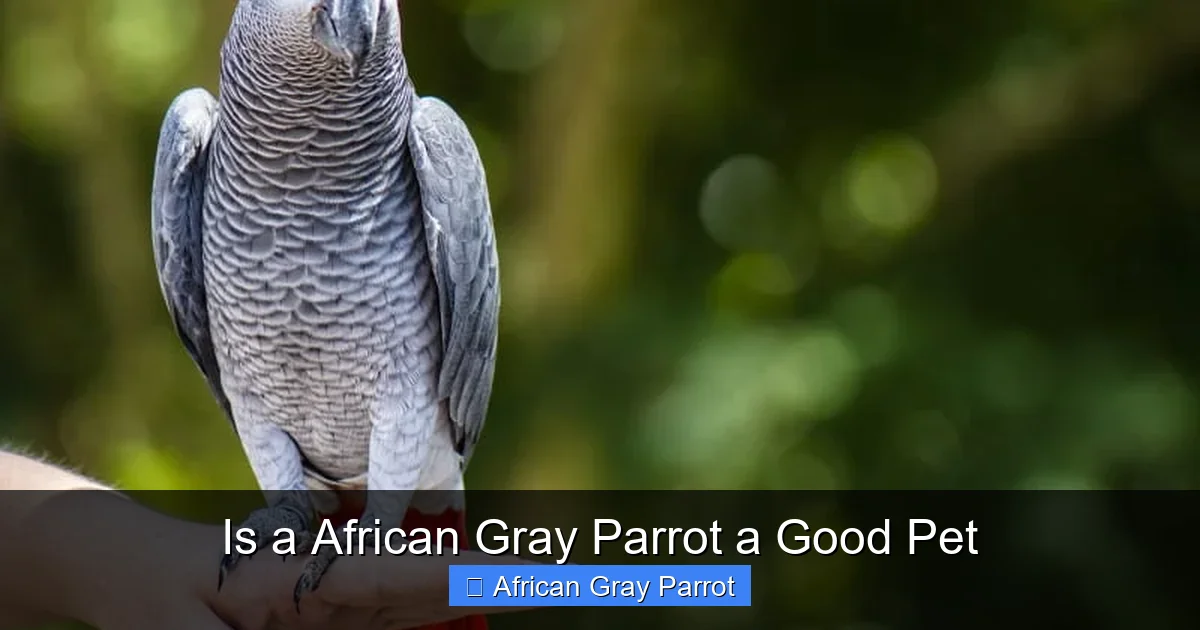
African Gray Parrots are exceptionally intelligent and long-lived companions that require significant time, money, and expertise. They thrive with experienced owners who can provide daily mental stimulation, specialized diets, and decades of consistent care. This is not a beginner bird.
You have seen the videos. An African Gray Parrot chatting away, mimicking the microwave beep, answering the phone, maybe even cracking a joke at the perfect moment. It looks magical. It looks like living with a feathered Einstein who also happens to be adorable. But here is the thing nobody tells you in those viral clips. The bird talking is the highlight reel. The other twenty-three hours of the day involve noise, mess, expense, and a level of demand that reshapes your entire life.
If you are asking yourself is a african gray parrot a good pet, you are already asking the right question. Most people ask how much they cost or where to buy one. They skip the part where they honestly assess whether their lifestyle can sustain a wild animal with the brain of a preschooler and the lifespan of a human. This guide walks through every angle. The brilliance. The burden. The budget. The reality. By the end, you will know whether this bird belongs in your home or in your daydreams.
Key Takeaways
- Extreme Intelligence: African Grays possess cognitive abilities comparable to a 5-year-old child, requiring constant mental stimulation to prevent behavioral issues.
- Decades-Long Commitment: With lifespans of 40 to 60 years, these birds often outlive their owners and require estate planning considerations.
- High Financial Cost: Initial setup exceeds $2,000, with annual costs of $1,000+ for food, vet care, toys, and enrichment.
- Noise and Mess: They produce loud vocalizations, feather dust, and scattered food that challenge apartment living and allergy sufferers.
- Specialized Veterinary Care: Avian veterinarians are scarce and expensive; preventive care is essential for detecting hidden illnesses early.
- Social Needs Are Non-Negotiable: These flock animals need several hours of direct interaction daily or they develop screaming, plucking, and aggression.
- Not for Beginners: First-time bird owners should consider easier species like cockatiels or budgies before tackling an African Gray.
Quick Answers to Common Questions
How long do African Gray Parrots live?
African Gray Parrots typically live 40 to 60 years in captivity with proper care, and some reach 70 years. This means they often outlive their owners and require long-term succession planning.
Are African Gray Parrots good for beginners?
No, African Grays are not suitable for first-time bird owners. Their extreme intelligence, complex emotional needs, specialized diet, and potential for severe behavioral issues require experienced handling and significant resources.
How much does an African Gray Parrot cost per year?
Expect to spend $2,000 to $4,000 annually on high-quality food, toys, routine veterinary care, and supplies. Emergency veterinary costs can add thousands more. The first year including setup often exceeds $5,000.
Do all African Gray Parrots talk?
No, not all African Grays talk. While the species is renowned for mimicry, individual birds vary. Some never speak a word but excel at sound effects. Talking ability should never be the primary reason for acquiring one.
Can African Gray Parrots be left alone during the workday?
They can tolerate 8-10 hours alone if provided with extensive foraging enrichment, but this is not ideal. Daily isolation often leads to screaming, feather plucking, and aggression. A midday visit or work-from-home arrangement is strongly recommended.
📑 Table of Contents
- The Intelligence That Changes Everything
- The Lifespan Reality Check
- The Financial Commitment Goes Far Beyond the Purchase Price
- Noise, Mess, and the Reality of Sharing Space
- Diet Is Not Seeds and Water
- Veterinary Care Is Specialized and Expensive
- Social Needs: The Flock Imperative
- Training: The Language of Trust
- The Adoption vs. Purchase Decision
- Daily Life: A Realistic Schedule
- Travel and Vacation Planning
- Legal and Ethical Considerations
- Is a African Gray Parrot a Good Pet for You? The Honest Checklist
- Alternatives to Consider
- Final Thoughts: The Privilege and the Price
The Intelligence That Changes Everything
African Gray Parrots are widely considered the smartest parrots on earth. Research places their cognitive abilities on par with a human child aged four to six. They do not just mimic. They understand concepts like same, different, bigger, smaller, and zero. They can count. They can combine words to express new ideas. Alex, the famous Gray studied by Dr. Irene Pepperberg, learned over one hundred labels for objects, colors, and shapes. He could ask for what he wanted. He could say “I’m sorry” when he bit someone. He could tell you he wanted to go back to his cage.
What This Means for Daily Life
That intelligence is not a party trick. It is a daily management challenge. A bored African Gray does not sit quietly. A bored African Gray screams. It plucks its feathers until skin bleeds. It destroys furniture, baseboards, door frames, and drywall. It learns to open cage locks, undo screws, and escape. It manipulates you. Yes, manipulates. These birds learn which buttons push your limits. They learn that screaming brings you running. They learn that biting makes you leave. They learn that cute noises get treats. You are not just keeping a pet. You are negotiating with a tiny, feathered strategist.
Mental Stimulation Is Not Optional
You must provide foraging toys, puzzle feeders, shreddable materials, training sessions, and novel experiences every single day. Rotate toys weekly. Teach new behaviors monthly. Change the environment regularly. If you work a nine-to-five job and the bird sits alone for ten hours, you will have problems. No amount of toys replaces social interaction. This is a flock animal. In the wild, they are never alone. Isolation is psychological torture for them.
The Lifespan Reality Check
Let us talk numbers. A well-cared-for African Gray lives forty to sixty years. Some reach seventy. That means if you are thirty when you bring one home, the bird may be with you at ninety. If you are fifty, the bird needs a plan for after you are gone. This is not hyperbole. This is estate planning.
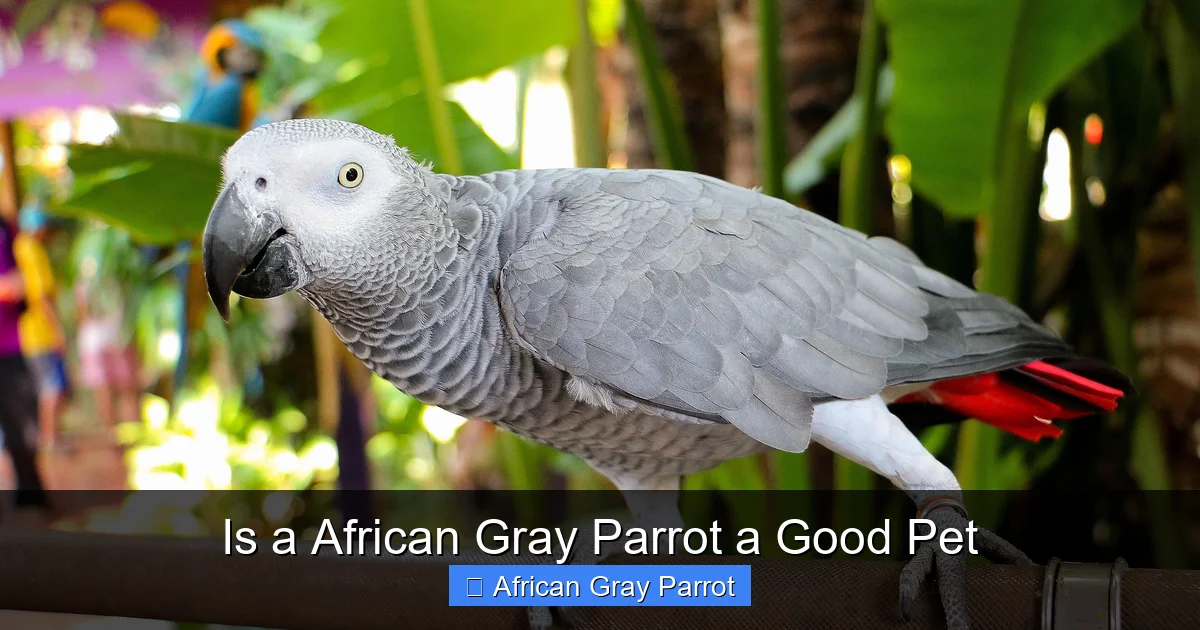
Visual guide about Is a African Gray Parrot a Good Pet
Image source: thesprucepets.com
What Happens When Life Changes
People divorce. People move. People get sick. People have babies. People lose jobs. People die. Parrots end up in rescues because their owners did not plan for the inevitable. A parrot that loses its bonded human grieves. Hard. They stop eating. They scream. They pluck. They become aggressive. Rehoming an adult Gray is traumatic for the bird and difficult for the new owner. Many rescues are full of Grays surrendered by families who “didn’t realize.”
Setting Up a Succession Plan
If you are serious about this bird, name a guardian in your will. Set aside a trust for its care. Talk to that person now. Make sure they want the bird. Make sure they can handle the bird. Visit avian sanctuaries to see what happens when plans fail. It is sobering.
The Financial Commitment Goes Far Beyond the Purchase Price
You will see baby African Grays listed for $1,500 to $3,500. That is the cheap part. The first year alone often exceeds $4,000. Here is a realistic breakdown.
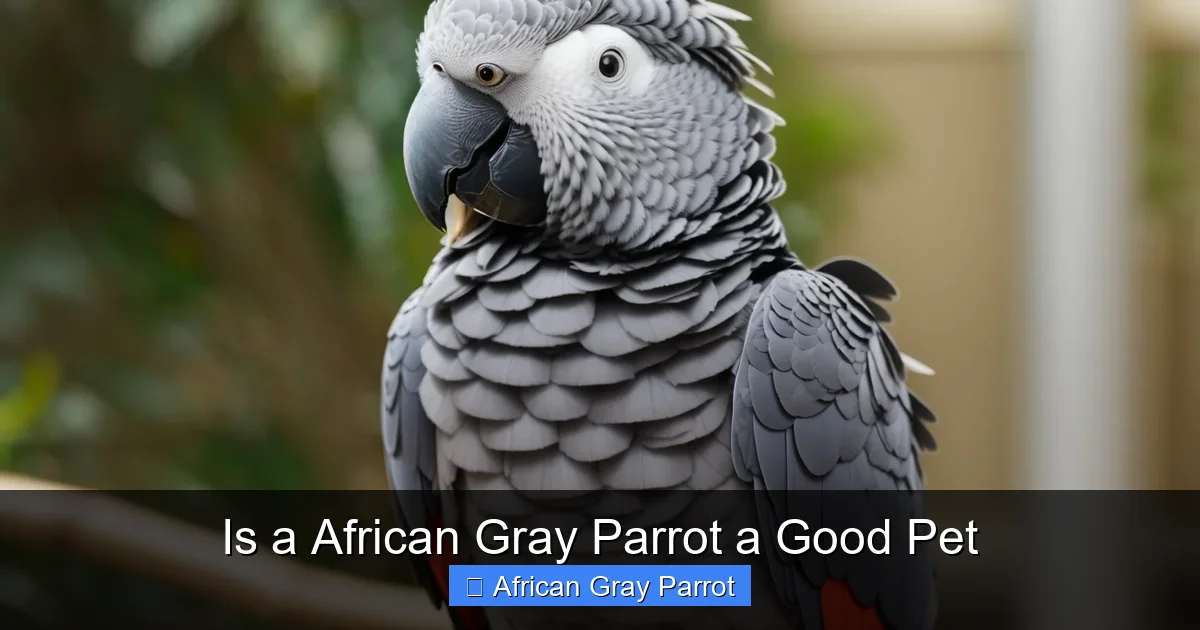
Visual guide about Is a African Gray Parrot a Good Pet
Image source: atractivopets.com
Startup Costs
- Cage: A proper cage for a Gray is large. Minimum thirty-six by twenty-four by forty-eight inches. Bar spacing five-eighths to three-quarters inch. Powder-coated or stainless steel. Expect $800 to $2,000.
- Play Stand: $200 to $500 for a sturdy, multi-station stand.
- Initial Toys and Perches: $300 to $500 for a variety of textures, sizes, and foraging options.
- Avian Vet Exam and Baseline Bloodwork: $300 to $600.
- Carrier: $50 to $150.
- Scale: $30 to $60 for weekly weight monitoring.
- Air Purifier: $200 to $500 for HEPA filtration to manage feather dust.
Recurring Annual Costs
- Pellets and Fresh Food: $600 to $1,000. High-quality pellets are not cheap. Fresh vegetables, fruits, grains, and nuts add up.
- Toys and Foraging Supplies: $400 to $800. They destroy toys. That is the point. You replace them constantly.
- Routine Vet Visits: $200 to $400 for annual exams and bloodwork.
- Emergency Fund: $1,000 minimum set aside. Avian emergencies happen fast and cost thousands.
- Boarding or Pet Sitter: $50 to $100 per day when you travel. You cannot leave them alone. You cannot board them at a standard kennel.
Hidden Costs
Replacing chewed furniture. Higher electricity bills from full-spectrum lighting and climate control. Potential damage to rental property. Specialized cleaning supplies. The list grows.
Noise, Mess, and the Reality of Sharing Space
African Grays are not loud in the way a macaw is loud. They do not scream at 120 decibels for hours. But they are persistent. They mimic every sound in your house. The smoke detector. The microwave. The phone ringtone. Your laugh. Your cough. Your argument with your spouse. They practice words at 3 AM. They make contact calls when you leave the room. They flock call at dawn and dusk. In an apartment with thin walls, neighbors will hear. In a house, the family will hear.
Feather Dust Is Relentless
African Grays produce powder down. It is a fine, white dust that coats everything. Walls. Floors. Electronics. Lungs. If anyone in the household has asthma, allergies, or respiratory sensitivity, this bird is a health hazard. You need a true HEPA air purifier running twenty-four seven. You need to vacuum daily. You need to wipe surfaces daily. You will find dust in places you did not know existed.
Food Flinging Is an Art Form
They do not eat neatly. They hold food in one foot, tear it with the beak, and fling the rest. Wet food splatters walls. Dry food scatters across the floor. Water bowls become soup bowls. You will clean the cage, the stand, the floor, and the surrounding walls every day. Twice a day if you value sanity.
Diet Is Not Seeds and Water
Seeds kill parrots. Slowly. A seed-only diet causes fatty liver disease, vitamin A deficiency, obesity, and premature death. African Grays need a base diet of high-quality pellets (sixty to seventy percent), fresh vegetables (twenty to thirty percent), fruits (five to ten percent), and healthy nuts and seeds as treats only. They need calcium. They need vitamin D3. They need omega-three fatty acids.
Chop and Foraging
Many owners prepare “chop” — a finely diced mix of vegetables, grains, legumes, and herbs — in bulk and freeze portions. This takes time. It takes freezer space. It takes planning. You also need to present food in foraging toys. Hidden in paper. Stuffed in cardboard. Skewered on stainless steel kabobs. The bird must work for food. This is not enrichment. This is survival instinct. Without it, behavior deteriorates.
Toxic Foods Are Everywhere
Avocado. Chocolate. Caffeine. Alcohol. Onions. Garlic. Rhubarb. Fruit pits. Apple seeds. Salt. Sugar. Artificial sweeteners. Mushrooms. Tomato leaves. Potato skins. The list is long. Everyone in the house must know it. Guests must know it. One mistake can kill.
Veterinary Care Is Specialized and Expensive
Dogs and cats see regular vets. Parrots need avian veterinarians. These specialists complete additional training. They are rare. In many areas, the nearest avian vet is two hours away. Exams cost more. Diagnostics cost more. Surgery costs exponentially more. And parrots hide illness. By the time you see symptoms, the bird is critical. Prey animals mask weakness. Weekly weight checks at home catch problems early. A ten percent weight drop is an emergency.
Common Health Issues in African Grays
- Hypocalcemia: Low blood calcium causes seizures. Grays are prone. Diet and lighting prevent it.
- Feather Destructive Behavior: Plucking, barbering, self-mutilation. Medical and behavioral causes intertwine.
- Psittacine Beak and Feather Disease: Viral. Fatal. No cure. Testing is essential before bringing a bird home.
- Aspergillosis: Fungal respiratory infection. Poor ventilation and stress trigger it.
- Atherosclerosis: Heart disease from high-fat diets and inactivity. Common in older Grays.
- Heavy Metal Toxicity: Zinc and lead from cheap toys, cage hardware, household items.
Finding a Vet Before You Need One
Locate your avian vet before the bird arrives. Schedule a new patient exam within the first week. Establish baseline bloodwork. Ask about after-hours emergency protocols. Know where the nearest 24-hour exotic clinic is. Have a carrier ready by the door. Minutes matter.
Social Needs: The Flock Imperative
In the wild, African Grays live in flocks of dozens to hundreds. They fly together. They forage together. They preen each other. They sleep together. They are never alone. When you bring one home, you become the flock. You are the mate. The parent. The sibling. The entire social world. This is not a pet you “visit” for an hour after work. This is a being that needs you present, engaged, and interactive for several hours daily.
What Happens When Social Needs Go Unmet
- Screaming that lasts hours
- Feather plucking that becomes self-mutilation
- Aggression toward the “favorite” person
- Aggression toward everyone else
- Stereotypic behaviors — pacing, head rolling, toe tapping
- Depression — lethargy, appetite loss, immune suppression
Can Two Grays Keep Each Other Company?
Maybe. But bonded pairs often ignore humans. They may fight. They may breed. They double the cost, noise, mess, and complexity. Introducing a second bird is not a fix for neglect. It is a separate decision with its own risks.
The “One Person Bird” Myth
African Grays often bond intensely with one person. They tolerate others. They may attack others. This is not guaranteed, but it is common. If you live with a partner, children, or roommates, the bird may decide one of them is the enemy. This creates household tension. It limits who can care for the bird. It complicates vacations and emergencies.
Training: The Language of Trust
You cannot force an African Gray. You cannot dominate it. You cannot punish it. Punishment destroys trust. Trust is the only currency that works. Positive reinforcement training — clicker training, target training, station training — builds communication. It gives the bird choice. It gives you management tools. It prevents bites. It makes medical care possible without trauma.
Essential Behaviors to Train
- Step Up: Onto hand, perch, or stick. Reliable every time.
- Step Down: Off hand onto perch or cage.
- Target: Touch beak to stick. Moves bird without handling.
- Station: Stay on designated perch. Keeps bird safe during cooking, cleaning, guests.
- Recall: Fly to you on cue. Critical if bird escapes.
- Crate Training: Enter carrier voluntarily. Removes stress from vet visits.
- Nail Trim Cooperation: Present foot for filing. Avoids towel restraint.
- Wing Inspection: Allow feather check. Monitors health.
Training Sessions
Keep sessions short. Two to five minutes. Multiple times daily. End before the bird loses interest. Use high-value treats — slivers of almond, sunflower seed, piece of grape. Vary rewards. Keep it fun. If you are frustrated, stop. The bird feels it.
The Adoption vs. Purchase Decision
Rescues are overflowing with African Grays. Birds surrendered for screaming, plucking, aggression, life changes, owner death. Adopting an adult Gray skips the baby phase. You see the personality. You know the vocabulary. You know the quirks. But you also inherit trauma. Adoption requires patience, skill, and often professional behavior support. It is not “easier.” It is different.
If You Buy
Find a breeder who:
- Weans onto pellets and fresh food, not seeds
- Fledges babies — lets them learn to fly before clipping
- Socializes extensively with multiple people
- Provides health guarantees and vet records
- Tests for PBFD, polyomavirus, chlamydia
- Allows visits — multiple visits — before purchase
- Offers lifetime support and take-back policy
- Does not sell unweaned babies to inexperienced homes
Run from anyone shipping unweaned babies. Run from pet stores sourcing from bird mills. Run from “hand-fed” claims without proof.
Daily Life: A Realistic Schedule
Here is what a responsible African Gray day looks like.
Morning
- 6:30 AM — Uncover cage. Greet bird. Contact call exchange.
- 6:45 AM — Fresh chop served in foraging toys. Pellets refreshed. Water changed.
- 7:00 AM — Training session (5 minutes). Target, station, recall.
- 7:15 AM — Supervised out-of-cage time on play stand. Shower or mist bath.
- 8:00 AM — Bird on stand near you while you prepare for work. Interaction, narration, inclusion.
- 8:30 AM — Return to cage with fresh foraging toy. Leave for work.
Midday (If You Work From Home)
- 12:00 PM — Check-in. Rotate toy. Offer veggie snack. Brief training.
- 2:00 PM — Another check-in. Different toy. Foot toy.
Midday (If You Work Outside Home)
- Bird alone 8-10 hours. This is the danger zone.
- Audio or video call check-in helps but does not replace presence.
- Automated foraging devices (puzzle feeders on timers) provide some stimulation.
- Consider a trusted neighbor or pet sitter for a midday visit.
Evening
- 5:30 PM — Home. Immediate greeting. Out of cage.
- 5:45 PM — Dinner prep with bird on stand. Narration. Veggie sharing.
- 6:30 PM — Family dinner. Bird on stand nearby. Social inclusion.
- 7:00 PM — Training session (5-10 minutes). New behavior or chain.
- 7:30 PM — Intensive play. Chase games. Puzzle solving. Flight recall.
- 8:00 PM — Wind down. Preen session. Quiet contact.
- 8:30 PM — Cover cage. Lights dim. White noise on. Sleep begins.
Twelve hours of darkness. Non-negotiable. Sleep deprivation causes hormonal surges, aggression, and screaming.
Travel and Vacation Planning
You do not leave for a weekend without a plan. You do not leave for a week without a vetted sitter. Boarding facilities for parrots exist but are rare. Most owners hire in-home sitters. The sitter must know the bird. Must be comfortable handling the bird. Must recognize illness signs. Must follow the routine exactly. You pay $50 to $100 per day. You provide a written care guide with vet info, emergency contacts, feeding instructions, medication instructions, behavior triggers, and escape protocols. You video call daily.
Taking the Bird With You
Possible but complex. Car travel requires a secure carrier, temperature control, frequent stops, hotel research (pet-friendly, bird-friendly), and stress management. Air travel is high-risk. Cargo holds kill birds. Cabin travel requires airline-approved carrier, health certificate, and a bird that tolerates confinement and noise. Most Grays do not. Most owners do not travel with them.
Legal and Ethical Considerations
African Grays are listed on CITES Appendix I. International trade in wild-caught birds is banned. But poaching continues. Wild populations have collapsed. Some regions lost ninety-nine percent. Every legal pet should be captive-bred. Ask for documentation. Band numbers. Breeder records. DNA sexing certificates. Never buy a bird without proof of captive origin.
Local Laws Vary
Some cities ban parrots. Some HOAs prohibit them. Some landlords forbid them. Some states require permits. Check before you buy. Check before you move. Surrendering a bird because you didn’t check is a failure.
Is a African Gray Parrot a Good Pet for You? The Honest Checklist
Answer every question honestly. One “no” is not a dealbreaker. Several “nos” are a sign.
- Can you commit forty to sixty years of daily care?
- Can you afford $3,000 to $5,000 annually for life?
- Do you have an avian vet within reasonable distance?
- Can you provide three to four hours of direct interaction daily?
- Can you tolerate noise, dust, and mess every day?
- Is your household stable — no imminent moves, babies, divorces, job changes?
- Does everyone in the home want this bird?
- Can you arrange reliable, knowledgeable care for vacations?
- Are you willing to learn positive reinforcement training?
- Can you handle a bird that may bond to someone else in the house?
- Are you prepared for hormonal aggression during breeding season annually?
- Can you accept that the bird may never talk?
- Are you willing to modify your home — no Teflon, no candles, no smoke, no toxic plants?
- Do you have a succession plan for the bird?
- Are you doing this for the bird — or for your ego?
Alternatives to Consider
If the checklist gave you pause, look at other species. Cockatiels. Green-cheeked conures. Senegal parrots. Pionus parrots. Budgies. These birds are intelligent, social, and long-lived — but shorter-lived, less expensive, less demanding, and more forgiving of mistakes. They teach you parrot care without the extreme stakes. Many experienced Gray owners started smaller. There is no shame in that. There is wisdom.
Final Thoughts: The Privilege and the Price
Living with an African Gray Parrot is a profound experience. You share your life with a being that thinks, feels, communicates, and loves in ways that blur the line between human and animal. You have conversations. You develop rituals. You witness problem-solving that humbles you. You are trusted by a wild thing that chose you. That trust is earned daily. It is fragile. It is precious.
But the price is everything. Your schedule. Your money. Your furniture. Your peace. Your privacy. Your future plans. You do not own an African Gray. You serve one. And if you cannot serve fully, completely, for decades, the kindest thing you can do is admire them from a distance. Visit a sanctuary. Volunteer at a rescue. Watch the videos. Support conservation. Let someone else live the reality. There is no shame in knowing your limits. There is only shame in ignoring them.
So. Is a african gray parrot a good pet? For the right person — yes. A life-defining, soul-expanding, magnificent yes. For most people — no. A heartbreaking, expensive, overwhelming no. Be honest about which person you are. The bird deserves nothing less.
Frequently Asked Questions
What is the difference between a Congo and Timneh African Gray?
Congo African Grays are larger (12-14 inches), have bright red tail feathers, and a black beak. Timneh African Grays are smaller (9-11 inches), have maroon tail feathers, and a horn-colored upper mandible. Timnehs often mature faster and may be slightly less prone to feather plucking, but both have identical care needs and intelligence.
At what age do African Gray Parrots start talking?
Most African Grays begin mimicking sounds between 6 and 12 months, with clear words often emerging around 12 to 18 months. However, some start earlier, some later, and some never talk at all. Consistent verbal interaction from the owner encourages vocal development.
Why is my African Gray Parrot plucking its feathers?
Feather plucking has medical, nutritional, environmental, and behavioral causes. Common triggers include hypocalcemia, poor diet, lack of foraging, insufficient sleep, low humidity, boredom, stress, and hormonal frustration. A full avian veterinary workup is the first step, followed by environmental and enrichment evaluation.
Can African Gray Parrots eat human food?
They can eat many healthy human foods — vegetables, fruits, cooked grains, legumes, and nuts — but many common foods are toxic. Avoid avocado, chocolate, caffeine, alcohol, onions, garlic, fruit pits, apple seeds, salt, sugar, and processed foods. Always research before sharing.
Do African Gray Parrots need their wings clipped?
Most avian veterinarians and behaviorists now recommend against routine wing clipping. Flight provides exercise, confidence, escape ability, and mental health benefits. Instead, bird-proof the home, train recall, and supervise out-of-cage time. If clipping is medically necessary, only an avian vet should perform it.
How do I know if my African Gray Parrot is sick?
Parrots hide illness instinctively. Subtle signs include weight loss (weigh weekly), fluffed feathers, decreased appetite, changed droppings, lethargy, voice change, sneezing, tail bobbing, and sitting low on the perch. Any change from normal warrants an immediate avian vet visit. Annual bloodwork catches problems before symptoms appear.