
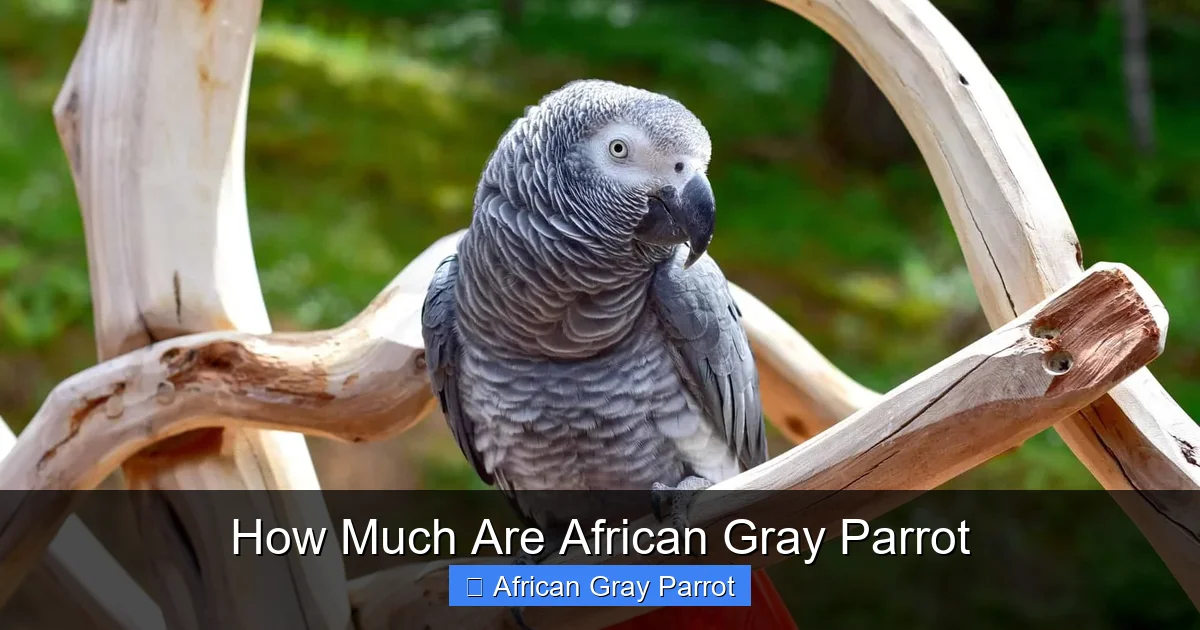
African gray parrots typically cost $1,500 to $4,000 upfront, with lifetime expenses exceeding $50,000. Annual care costs average $2,000 to $4,000 for food, vet visits, toys, and enrichment.
Thinking about bringing home one of the smartest birds on the planet? You’re probably wondering how much are African gray parrot prices these days. I get it. These incredible birds have captured hearts worldwide with their amazing talking ability and deep emotional intelligence. But before you fall in love with those soulful eyes, let’s talk numbers. The price tag goes way beyond the initial purchase.
I’ve spent years talking to breeders, avian vets, and longtime parrot owners. The real cost of an African gray parrot surprises almost everyone. It’s not just the bird. It’s the massive cage. The endless toys. The specialized vet care. The premium diet. And honestly? The potential for emergency expenses that can hit thousands in a single night. Let me walk you through everything you need to know about how much are African gray parrot costs from day one through their incredibly long lives.
Key Takeaways
- Purchase price varies by source: Breeders charge $2,000 to $4,000, while rescues may ask $500 to $1,500 for adoption fees.
- Two subspecies affect cost: Congo African grays cost more than Timneh African grays due to size and popularity.
- Age impacts price significantly: Hand-fed babies cost the most, while older birds and rescues cost less.
- Ongoing expenses exceed purchase price: Expect $2,000 to $4,000 yearly for proper care, nutrition, and veterinary needs.
- Hidden costs add up quickly: Cage setup, emergency vet funds, and behavioral training require budget planning.
- Lifespan creates long-term commitment: These birds live 40 to 60 years, making total lifetime costs substantial.
- Location affects availability and price: Urban areas have more breeders but higher prices than rural regions.
Quick Answers to Common Questions
What is the average purchase price for an African gray parrot?
The average purchase price ranges from $1,500 to $4,000 depending on the source, subspecies, and age. Reputable breeders typically charge $2,000 to $4,000 for hand-fed babies, while rescues charge $500 to $1,500 in adoption fees.
How much does it cost annually to care for an African gray parrot?
Annual care costs average $2,000 to $4,000 for food, toys, routine veterinary care, and supplies. Emergency veterinary expenses can add thousands more, so a $3,000 to $5,000 emergency fund is strongly recommended.
Why are African gray parrots so expensive compared to other parrots?
African grays are expensive due to difficult breeding, long hand-feeding periods, high intelligence requiring specialized care, limited availability, and their status as the premier talking parrot species. Their 40-60 year lifespan also factors into breeder investment.
Can I find a cheaper African gray parrot through classified ads?
While classified ads may list birds for $800 to $1,500, these carry significant risks including unknown health history, behavioral issues, potential scams, and lack of health guarantees. The initial savings often lead to much higher veterinary and behavioral costs.
What are the most expensive aspects of African gray parrot ownership?
The most expensive aspects are emergency veterinary care (which can cost $1,500 to $5,000 per incident), ongoing premium nutrition ($150 to $300 monthly), toy replacement ($50 to $150 monthly), and the initial cage and setup ($1,500 to $3,500).
📑 Table of Contents
- Understanding African Gray Parrot Basics
- Breaking Down the Initial Purchase Price
- The Real Cost: Setting Up Proper Housing
- Ongoing Monthly and Annual Expenses
- Hidden and Overlooked Costs
- Lifetime Cost Analysis
- Ways to Reduce Costs Without Compromising Care
- Red Flags and Scams to Avoid
- Making the Decision: Are You Ready?
- Conclusion
Understanding African Gray Parrot Basics
Two Distinct Subspecies
First things first. There are actually two types of African gray parrots. The Congo African gray is the larger, more famous one. They have bright red tail feathers and light gray feathers. The Timneh African gray is smaller, darker, and has a maroon tail. Their upper beak is horn-colored instead of black.
Congo African grays typically cost more. They’re the classic “Einstein” bird everyone pictures. Timnehs are equally smart but less common in the pet trade. Both make incredible companions. Both need the same level of care. But the price difference can be $500 to $1,000.
Why These Birds Command Premium Prices
African grays aren’t expensive just because they’re pretty. Their intelligence rivals a five-year-old human child. They don’t just mimic. They understand context. They form deep emotional bonds. They need constant mental stimulation. This intelligence drives both demand and the specialized care requirements that keep prices high.
Breeding them is notoriously difficult. They’re picky about mates. They need specific conditions. Chicks require hand-feeding around the clock for months. Mortality rates can be high. All this labor and expertise gets baked into the price you pay.
Breaking Down the Initial Purchase Price
Breeder Prices for Baby Birds
Reputable breeders charge $2,000 to $4,000 for hand-fed Congo African gray babies. Timneh babies run $1,500 to $3,000. “Hand-fed” means the breeder pulled chicks from the nest at two to three weeks old and syringe-fed them. This creates birds bonded to humans, not just other birds.
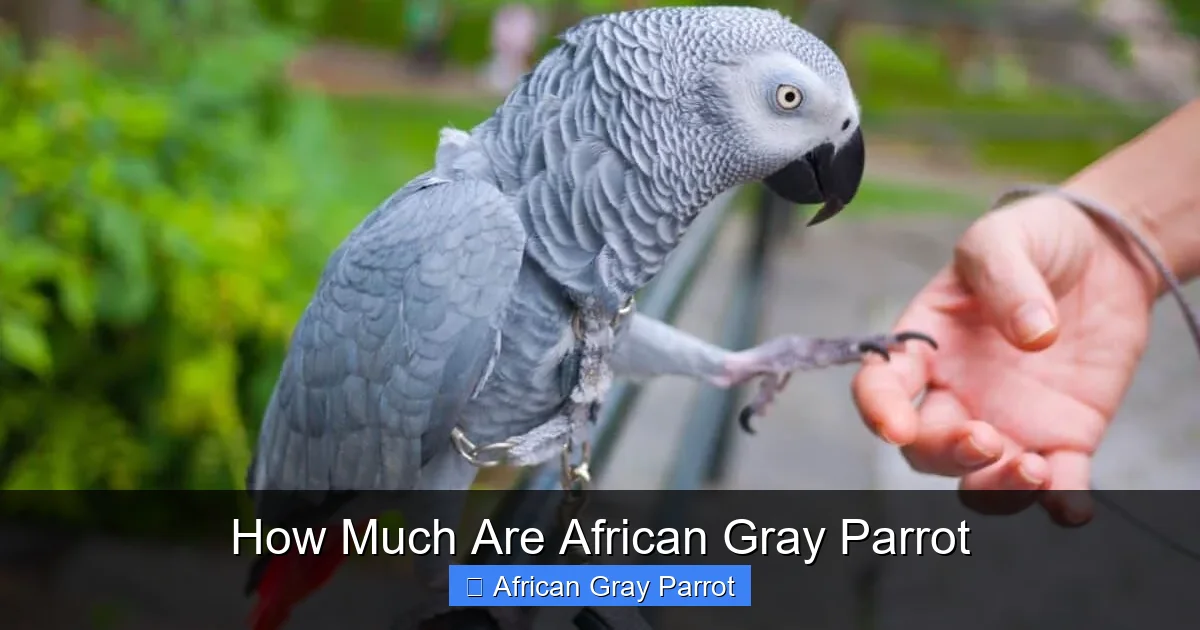
Visual guide about How Much Are African Gray Parrot
Image source: bubblypet.com
Why such a range? Bloodlines matter. Birds from champion talking lines cost more. Health testing adds value. Breeders who DNA-sex, disease-test, and socialize extensively charge appropriately. You’re paying for years of selective breeding and months of sleepless nights hand-feeding.
Pet Store Markups
Pet stores rarely carry African grays anymore, but when they do, expect $3,500 to $5,000. The markup covers overhead, staff, and the store’s risk. Birds in stores may lack proper socialization. They’ve been handled by dozens of strangers. Stress levels run high. I’d strongly recommend avoiding pet store birds for this species.
Rescue and Adoption Fees
Parrot rescues are overflowing with African grays. Adoption fees range $500 to $1,500. This usually includes a vet check, basic bloodwork, and sometimes a starter cage. You’re not “saving money” on care though. These birds often come with behavioral baggage requiring professional help.
Many surrendered grays are ten to thirty years old. They’ve lost homes due to divorce, death, or owners underestimating the commitment. Adopting is noble but not necessarily cheaper long-term. Behavioral rehabilitation can cost thousands in consultant fees.
Private Rehomes and Classifieds
You’ll see listings for $800 to $2,000 on sites like Craigslist or Facebook Marketplace. Be extremely cautious. No health guarantees. Unknown history. Potential for hidden illness or severe behavioral issues. “Rehoming fees” often mask unethical breeding or flipping. If you go this route, insist on a vet check before money changes hands.
The Real Cost: Setting Up Proper Housing
Minimum Cage Requirements
An African gray needs a cage at minimum 36″ wide, 24″ deep, 48″ tall. Bar spacing 3/4″ to 1″. Powder-coated or stainless steel only. No painted cages. No round cages. No cages with zinc or lead. A quality cage this size costs $800 to $2,000 new. Used cages can work if thoroughly disinfected and structurally sound.
Stainless steel cages last forever but start at $2,500. Powder-coated cages last five to ten years before chipping. Chipped powder coating means toxic exposure. Factor in replacement costs. Your bird will destroy the finish with their beak. It’s what they do.
Perches, Bowls, and Basics
Natural wood perches of varying diameters: $50 to $150. Platform perches: $30 to $80. Rope perches: $20 to $40 each. Stainless steel bowls (minimum four): $60 to $120. Cage cover: $30 to $60. Play stand: $200 to $600. Travel carrier: $80 to $200. First aid kit: $50 to $100.
Initial setup easily hits $1,500 to $3,500 beyond the cage. And you’ll replace perches and toys constantly. African grays are destructive. It’s not bad behavior. It’s necessary beak maintenance and mental health.
Environmental Needs
Full-spectrum UVB lighting: $100 to $300 for fixture and bulb. Bulbs need replacement every six to twelve months ($30 to $60 each). Humidifier for dry climates: $50 to $150. Air purifier with HEPA filter: $150 to $400. Bird-safe cleaning supplies: $20 to $50 monthly.
These aren’t luxuries. African grays have sensitive respiratory systems. They’re from humid African rainforests. Dry indoor air causes feather plucking and respiratory infections. Poor air quality kills birds silently.
Ongoing Monthly and Annual Expenses
Premium Nutrition Costs
African grays need a varied diet. High-quality pellets (Harrison’s, Roudybush, TOPS): $40 to $80 monthly. Fresh organic produce daily: $60 to $120 monthly. Healthy nuts and seeds as treats: $30 to $60 monthly. Supplements (calcium, omega-3s, probiotics): $20 to $40 monthly.
That’s $150 to $300 monthly just for food. A seed-only diet will kill your bird slowly through fatty liver disease and vitamin deficiencies. Fresh food prep takes thirty minutes daily. This is non-negotiable for a species prone to calcium deficiency and atherosclerosis.
Toy Rotation and Enrichment
African grays destroy toys. It’s their job. Budget $50 to $150 monthly for toys. Foraging toys. Puzzle toys. Shreddable toys. Foot toys. Rotate weekly. Bored grays pluck feathers. They scream. They develop phobias. They self-mutilate. Toy cost is mental health insurance.
DIY toys help. Phone books. Cardboard boxes. Paper strips. Pine cones (baked to sterilize). But commercial toys last longer and offer complexity you can’t easily replicate. Join parrot toy co-ops or buy in bulk to save twenty to thirty percent.
Routine Veterinary Care
Annual wellness exam with avian vet: $150 to $300. Blood work (CBC, chemistry panel): $150 to $250. Fecal exam: $40 to $80. Vaccinations if recommended: $50 to $100. Nail and beak trims (if needed): $30 to $60 per visit.
Baseline annual vet costs: $400 to $800 for a healthy bird. African grays hide illness instinctively. By the time you see symptoms, they’re critical. Annual blood work catches liver and kidney issues early. It’s the single best investment you can make.
Emergency Fund Reality
You need $3,000 to $5,000 liquid savings for emergencies. Crop impaction surgery: $1,500 to $3,000. Egg binding (females): $800 to $2,500. Heavy metal toxicity treatment: $1,000 to $3,000. Respiratory infection hospitalization: $1,500 to $4,000.
Avian vets are specialists. Emergency clinics charge double. There’s no pet insurance that covers parrots well. CareCredit helps but has limits. Many owners face euthanasia decisions based purely on finances. Don’t be that owner. Build the fund before you bring the bird home.
Hidden and Overlooked Costs
Behavioral Consultation Fees
African grays develop complex behavioral issues. Feather destructive behavior. Aggression. Phobias. Excessive screaming. Certified parrot behavior consultants charge $100 to $200 per hour. Initial consultations run two to three hours. Follow-ups add up. Plan $500 to $2,000 for behavioral help over the bird’s life.
Early intervention saves money. A $300 consult at first sign of plucking prevents $5,000 in vet bills and heartbreak later. Many consultants offer virtual sessions now, reducing travel costs.
Boarding and Pet Sitting
You can’t leave an African gray alone overnight. They need daily interaction. Boarding at avian vet clinics: $30 to $60 per night. In-home bird sitters with parrot experience: $50 to $100 per visit. Two visits daily for medication or special needs: double that.
A week vacation costs $300 to $700 in care. Holiday rates surge. Last-minute emergencies mean premium pricing. Build a network of trusted bird people. Trade sitting with other parrot owners. But always have a paid backup plan.
Home Modifications and Safety
TEFLON kills birds. Non-stick cookware, irons, space heaters, hair dryers. Replace everything: $500 to $2,000. Scented candles, air fresheners, essential oil diffusers: gone. Smoke detectors near kitchen: relocate. Ceiling fans: bird-proof or remove.
Window screens need reinforcement. Doors need double-entry systems or locks. Toxic houseplants removed. Electrical cords covered. This isn’t paranoia. One exposure to overheated Teflon kills in minutes. One escaped bird through a screen rarely returns.
Cleaning and Maintenance Supplies
Cage liner paper: $20 to $40 monthly. Bird-safe disinfectant (F10, Poop-Off): $30 to $60 monthly. Vacuum with HEPA filter: $200 to $500. Steam mop for floors: $100 to $200. Lint rollers by the case: $30 monthly. Your cleaning routine becomes part-time job level.
Lifetime Cost Analysis
The Forty-to-Sixty-Year Commitment
African grays live forty to sixty years in captivity. Some reach seventy. Let that sink in. Your bird will likely outlive you. Estate planning for your parrot isn’t dramatic. It’s responsible. Include them in your will with designated caregiver and trust fund.
At $3,000 average annual cost (conservative), that’s $120,000 to $180,000 over forty years. At $5,000 (realistic with emergencies), that’s $200,000 to $300,000. This doesn’t include inflation. Veterinary costs rise faster than human healthcare. Specialized avian vets are increasingly rare.
Cost Comparison by Life Stage
Years one to two: Highest costs. Setup, frequent vet visits, toy destruction peaks, behavioral training. $5,000 to $10,000 annually. Years three to ten: Stabilizing. Routine established. $2,500 to $4,000 annually. Years ten to thirty: Maintenance. Potential age-related issues emerge. $3,000 to $5,000 annually. Years thirty plus: Geriatric care. Arthritis, cataracts, organ failure. $4,000 to $8,000 annually.
Inflation and Veterinary Advancement
Avian medicine advances rapidly. Treatments unavailable five years ago are standard now. This saves lives but increases costs. MRI for birds exists now. Chemotherapy for avian cancer. Specialized cardiac drugs. Each advance adds options and expenses.
Pet insurance for exotics remains nearly nonexistent. Nationwide offers a plan but reimbursements are low and exclusions many. Most owners self-insurance through dedicated savings remains the only reliable strategy.
Ways to Reduce Costs Without Compromising Care
Smart Shopping Strategies
Buy pellets in twenty-five-pound bags from breeders or co-ops. Save thirty to forty percent. Join parrot forums for group buys on toys and supplies. Make foraging toys from recycled materials. Grow bird-safe herbs and greens. Shop reptile shows for affordable natural perches and branches.
Learn basic grooming. Nail trims, wing trims (if you choose), beak assessment. Saves $30 to $60 per vet visit. But know your limits. Blood feathers and beak corrections need professionals.
Preventive Care Saves Money
Annual blood work catches problems early. Early treatment costs ten percent of crisis treatment. Daily observation catches subtle changes. Weight tracking (gram scale: $20) reveals illness before symptoms. Three-gram loss in a four-hundred-gram bird is significant.
Proper diet prevents fatty liver disease. Proper humidity prevents respiratory infections. Proper enrichment prevents feather destruction. Prevention is always cheaper than treatment. Always.
Building Community Resources
Connect with local parrot clubs. Shared knowledge. Emergency contacts. Toy swaps. Bulk ordering. Veterinarian recommendations. Experienced mentors. The African gray community is generous with support. Use it.
Find an avian vet before you need one. Drive an hour if necessary. Establish care when your bird is healthy. Emergency visits to unknown vets cost more and have worse outcomes.
Red Flags and Scams to Avoid
Prices Too Good to Be True
“African gray parrot for sale $500” is a scam. Always. Legitimate breeders don’t sell babies below cost. Scammers use stolen photos. They ask for wire transfers. They ship from “cameroon” or “ukraine.” They demand additional fees for “shipping crates” and “insurance.” You’ll never see a bird.
Even $1,000 for a baby is suspicious. That’s below breeder cost for food, formula, vet checks, and labor. Ask yourself: what corners were cut? No disease testing? Parent birds in filth? Chicks pulled too early? Unweaned babies sold to inexperienced buyers?
Unweaned Baby Scams
Some sellers push unweaned babies (“hand-feeding finished at home”). They claim bonding is better. It’s a lie. Hand-feeding is skilled labor. Aspiration kills. Crop burns kill. Sour crop kills. Force-weaning causes behavioral trauma. No reputable breeder sells unweaned African grays to pet homes. Period.
Misrepresented Birds
Timnehs sold as Congos. Wild-caught sold as captive-bred. Older birds sold as babies. Sick birds drugged to appear calm. Always demand: DNA sexing certificate. Disease testing results (PBFD, polyoma, chlamydia). Hatch certificate with band number. Vet reference. Visit the facility if possible.
Making the Decision: Are You Ready?
Financial Readiness Checklist
Can you afford $5,000 upfront for bird and setup? Can you budget $300 to $500 monthly ongoing? Do you have $5,000 emergency fund separate from household emergencies? Can you commit to this for forty-plus years? Have you planned for their care after you’re gone?
If you hesitated on any answer, wait. African grays suffer profoundly from rehoming. They grieve. They pluck. They stop eating. They develop phobias. Every transition damages them. Better to wait until you’re truly ready than to surrender a broken bird later.
Time and Emotional Readiness
Money isn’t everything. These birds need three to four hours daily direct interaction. Minimum. They need training. They need conversation. They need to be part of your flock. If you work twelve-hour shifts, travel frequently, or value quiet evenings, an African gray will suffer.
They’re not decoration. They’re not talking novelties. They’re complex emotional beings who will test your patience daily. They’ll scream at 6 AM. They’ll destroy your favorite shirt. They’ll bite your partner. They’ll love you fiercely and demand everything.
Alternative Species to Consider
If African gray costs are overwhelming, consider: Senegal parrots ($500 to $1,000, smaller, quieter, twenty to thirty years). Pionus parrots ($800 to $1,500, gentle, independent, twenty-five to forty years). Quaker parrots ($300 to $800, very talkative, fifteen to twenty years, check legality).
Each has different needs and costs. Research thoroughly. The “cheaper” bird still needs proper everything. There’s no such thing as a low-maintenance parrot.
Conclusion
So how much are African gray parrot costs really? The honest answer: far more than the price tag. You’re looking at $3,000 to $6,000 upfront for a healthy, well-raised bird with proper setup. Then $2,500 to $5,000 annually for life. Potentially $200,000 to $300,000 over decades.
But here’s what no spreadsheet captures. The morning your gray says “good morning” in your voice. The night they tuck their head against your neck and sigh. The moment they comfort you when you’re crying. The jokes they invent. The games they create. The profound, weird, wonderful privilege of sharing your life with a non-human person who chooses you.
If you can truly afford it. If you have the time. If you’re ready for the chaos and the love. If you’ve researched until your eyes blur and still want this. Then start saving. Find a reputable breeder or rescue. Prepare your home. Prepare your heart.
Your African gray is waiting. Make sure you’re ready for them.
Frequently Asked Questions
How much are African gray parrot prices at pet stores versus breeders?
Pet stores typically charge $3,500 to $5,000 for African grays due to overhead costs, while reputable breeders charge $2,000 to $4,000. Breeders generally provide better socialization, health testing, and ongoing support than pet stores.
Do Timneh African grays cost less than Congo African grays?
Yes, Timneh African grays typically cost $500 to $1,000 less than Congo African grays. Timnehs are smaller, less common in the pet trade, and have slightly different coloration, but they share the same intelligence and care requirements.
What hidden costs should I budget for when buying an African gray parrot?
Hidden costs include Teflon-free cookware replacement ($500 to $2,000), air purification systems ($150 to $400), behavioral consultations ($100 to $200 per hour), boarding for vacations ($30 to $100 per day), and potential home modifications for safety.
Is it cheaper to adopt an African gray parrot from a rescue?
Adoption fees are lower ($500 to $1,500), but rescued birds often require extensive behavioral rehabilitation, immediate veterinary care, and specialized diets. Long-term costs typically equal or exceed breeder bird expenses due to these additional needs.
How much should I save for African gray parrot emergency veterinary care?
You should maintain a dedicated emergency fund of $3,000 to $5,000 for avian veterinary emergencies. Common emergencies like crop surgery, heavy metal toxicity, or respiratory hospitalization can cost $1,500 to $4,000 each.
What is the total lifetime cost of owning an African gray parrot?
With a 40-60 year lifespan and $2,500 to $5,000 annual costs, total lifetime expenses range from $100,000 to $300,000. This includes purchase, setup, food, veterinary care, toys, boarding, and emergency expenses adjusted for inflation.