
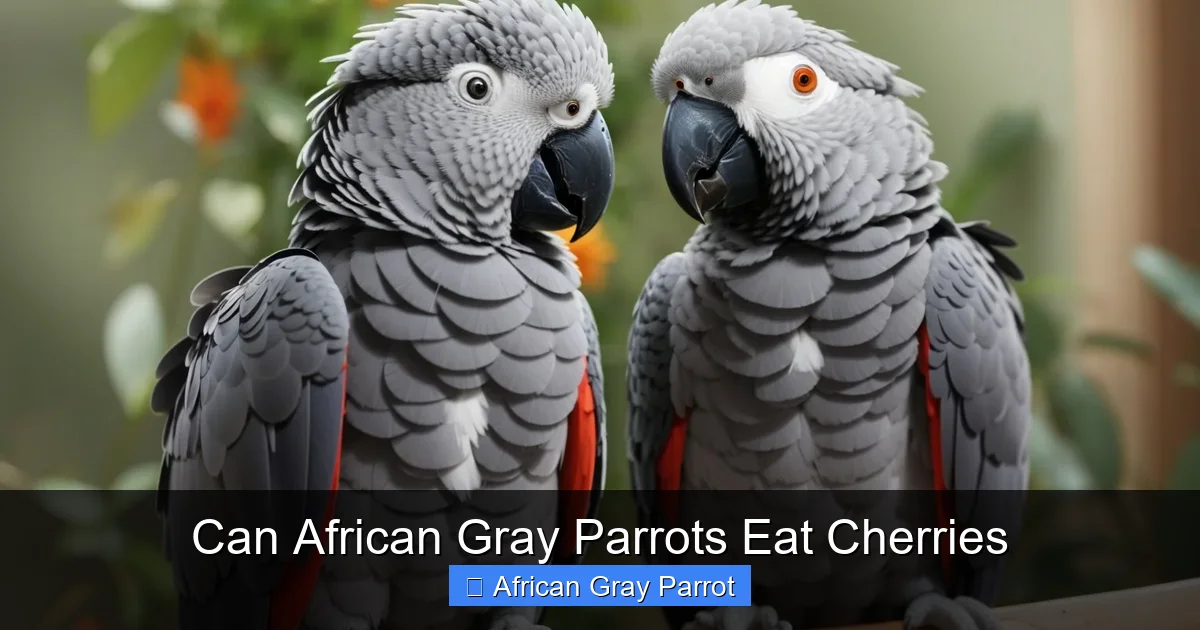
African Gray parrots can eat cherry flesh safely, but the pits, stems, and leaves contain cyanide compounds that are toxic. Always remove pits completely and wash fruit thoroughly before offering small pieces as an occasional treat.
Featured image for
Image source: atractivopets.com
Many parrot owners wonder about sharing fruit with their feathered companions. Cherries are sweet and nutritious for humans. But are they safe for African Gray parrots? The short answer is yes, with important precautions. This guide covers everything you need to know.
📑 Table of Contents
Can African Gray Parrots Eat Cherries Safely?
Yes, African Gray parrots can eat the flesh of cherries. The fruit provides vitamins A and C, antioxidants, and natural sugars. These nutrients support immune health and feather quality. However, cherries should only be an occasional treat. They are high in sugar. Too much fruit can lead to weight gain and nutritional imbalances. Offer no more than one or two small pieces per week.
Always choose fresh, ripe cherries. Avoid canned or processed varieties. These contain added sugars and preservatives. Organic cherries are best. They reduce pesticide exposure. Wash all fruit thoroughly under running water before serving.
Why Are Cherry Pits Dangerous?
Cherry pits contain amygdalin. This compound converts to cyanide when chewed or digested. Cyanide prevents cells from using oxygen. Even small amounts can harm a small bird. African Gray parrots are curious chewers. They may crack open a pit if given the chance. Never offer whole cherries with pits intact.
Visual guide about
Image source: atractivopets.com
The stems and leaves also contain toxic compounds. Remove all green parts before serving. Discard pits immediately in a secure trash bin. Do not leave them on counters where a bird might find them. If you suspect your parrot ate a pit, contact an avian veterinarian immediately.
How Should You Prepare Cherries for Your Parrot?
Start by washing the cherry under cool water. Rub the skin gently to remove residue. Use a paring knife to cut around the pit. Remove the pit completely. Check the flesh for any pit fragments. Cut the fruit into small, manageable pieces. A piece the size of a pea is appropriate for an African Gray.
Offer the piece in a clean bowl or by hand. Watch your parrot eat. Remove any uneaten fruit after two hours. Fresh fruit spoils quickly. Bacteria and mold can grow. This causes digestive upset. Clean the feeding area after each treat session.
What Are the Signs of Cherry Pit Toxicity?
Symptoms of cyanide poisoning appear quickly. Watch for difficulty breathing, bright red gums, weakness, or seizures. The bird may appear dizzy or unable to perch. Vomiting and diarrhea can also occur. These are emergency signs. Transport your parrot to an avian vet immediately. Do not wait to see if symptoms improve. Time is critical with cyanide exposure.
Prevention is always better than treatment. Keep cherries with pits out of reach. Educate family members about the danger. Post a reminder near the fruit bowl if needed. A moment of caution prevents a tragedy.
Can African Gray Parrots Eat Dried or Frozen Cherries?
Dried cherries are not recommended. They often contain added sugar, sulfur dioxide, or oil. The drying process concentrates natural sugars. This makes them too sweet for parrots. Some brands use preservatives that harm birds. If you must offer dried fruit, choose unsweetened, preservative-free varieties. Give only a tiny piece rarely.
Frozen cherries are acceptable if plain. Thaw completely before serving. Check for ice crystals. These can cause crop burn. Ensure no pits remain. Frozen fruit loses some texture. Some parrots prefer fresh. Offer a small test piece first.
What Other Fruits Are Safe Alternatives?
Many fruits are safer and equally nutritious. Blueberries are antioxidant-rich and pit-free. Apple slices work well if seeds are removed. Papaya and mango provide vitamin A. Melon chunks hydrate and entertain. Banana offers potassium in moderation. Rotate fruits weekly. Variety ensures balanced nutrition. Always research new foods before offering. Some common fruits like avocado are toxic to parrots.
Introduce new fruits slowly. Watch for loose droppings or behavior changes. Some parrots have sensitive digestive systems. A food diary helps track reactions. Consult your avian vet for a personalized diet plan.
Conclusion
African Gray parrots can enjoy cherry flesh as a rare treat. The fruit offers health benefits when prepared correctly. The critical rule is simple. Remove every pit, stem, and leaf. Wash thoroughly. Cut into small pieces. Limit portions. Monitor your bird. With these precautions, cherries can be a safe, enjoyable addition to a varied diet. Your parrot’s safety depends on your attention to detail. When in doubt, choose a pit-free fruit instead.