
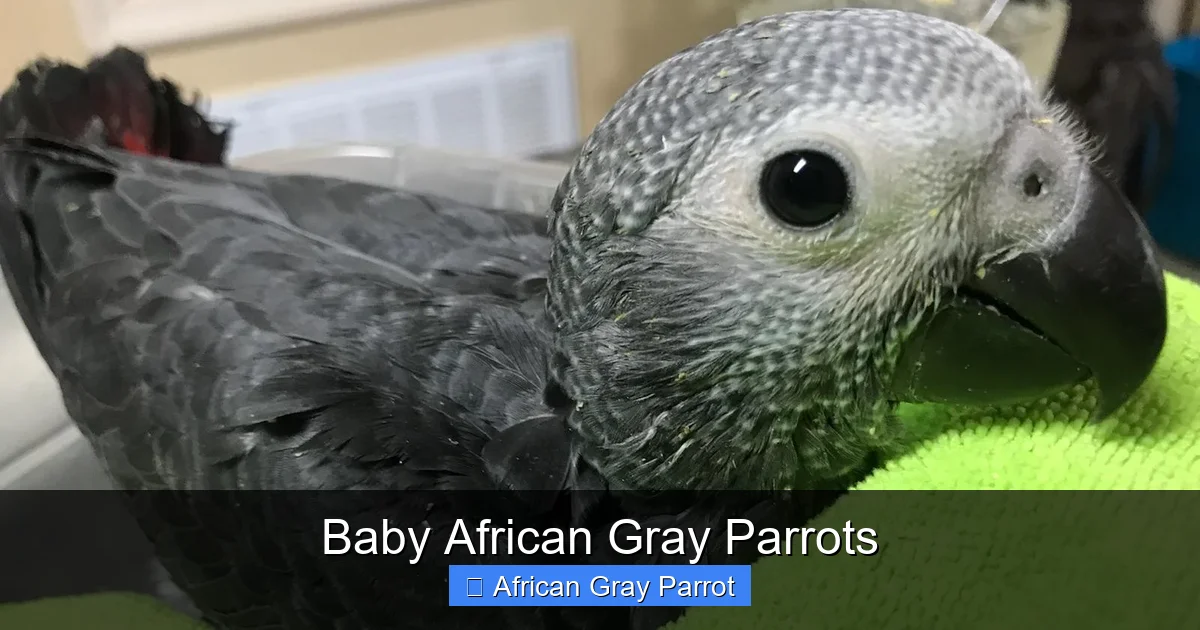
Baby African Gray parrots are highly intelligent and need a balanced diet, daily interaction, and a safe environment to thrive. Proper early care sets the foundation for a happy, talkative companion.
Featured image for
Image source: i.redd.it
Bringing home a baby African Gray parrot is exciting, but it also comes with specific care needs. These birds are known for their intelligence and ability to mimic speech, so early nutrition, socialization, and health checks are crucial. This guide answers the most common questions new owners ask.
📑 Table of Contents
What should I feed a baby African Gray parrot?
A baby African Gray parrot needs a high‑quality hand‑feeding formula until it can eat solid food. Choose a formula designed for parrots and follow the manufacturer’s mixing instructions. Feed every 2–3 hours during the day, gradually reducing frequency as the bird grows.
Around 8–10 weeks you can introduce soft foods like mashed banana, cooked sweet potato, and soaked pellets. Offer a variety to encourage exploration and prevent picky eating. Always provide fresh water in a shallow dish.
Avoid chocolate, avocado, caffeine, and salty snacks — these are toxic to parrots. Keep a feeding log to track amounts and any reactions. Consistency builds trust and supports healthy growth.
How do I socialize a baby African Gray parrot?
Socialization starts the moment the bird arrives. Spend at least 30 minutes each day talking softly, offering gentle head scratches, and letting the parrot explore your hand. Consistent, calm interaction teaches the bird that humans are safe.
Introduce new sounds and objects slowly. Play low‑volume music, show colorful toys, and rotate perches weekly. This exposure reduces fear and encourages curiosity, which is vital for a talkative adult.
If the bird shows signs of stress — feather ruffling, hissing, or hiding — give it space and try again later. Positive reinforcement with a favorite treat reinforces calm behavior. Over time the parrot will seek out interaction on its own.
What training basics work for baby African Gray parrots?
Start with simple target training using a small stick or chopstick. Hold the target near the bird’s beak and reward with a treat when it touches the tip. Repeat in short 5‑minute sessions twice a day.
Teach the “step up” command by placing your hand at the bird’s chest level and saying “step up.” When the parrot lifts a foot onto your hand, give a treat and praise. Consistency makes the cue reliable for future handling.
Introduce basic words like “hello” or the bird’s name during calm moments. Speak clearly, repeat the word, and reward any vocal attempt. Early speech practice leverages the species’ natural mimicry talent.
How do I monitor health and spot problems early?
Weigh the chick daily using a small gram scale; a steady gain of 5–10 % per week signals good nutrition. Keep a log of weight, droppings color, and appetite. Sudden weight loss or watery droppings warrant a vet visit.
Check feathers for abnormal plucking, bald patches, or discoloration. Healthy feathers are smooth, bright, and lie flat. Also watch for labored breathing, sneezing, or discharge from the nares.
Schedule a wellness exam with an avian veterinarian within the first two weeks. Vaccinations, parasite screening, and baseline blood work create a health reference. Early detection of issues like psittacosis or nutritional deficiencies improves outcomes.
Key Takeaways for Raising a Baby African Gray Parrot
Feeding a proper formula, offering varied soft foods, and avoiding toxic items lay the nutritional foundation. Daily gentle interaction and gradual exposure to new stimuli build confidence and speech ability. Simple target and step‑up training create trust and make handling safe. Regular weight checks, feather inspections, and an early vet visit catch health problems before they escalate. With consistent care, your baby African Gray will grow into a talkative, affectionate companion.