
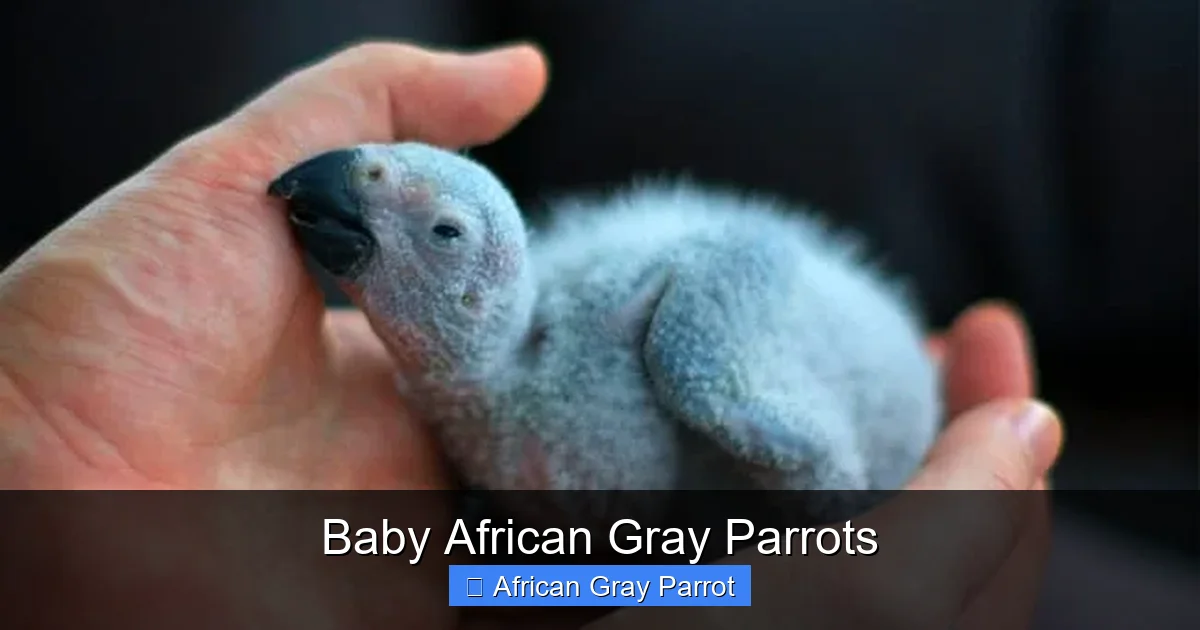
Baby African gray parrots are highly intelligent and social birds that need specialized care from day one. Proper nutrition, early socialization, and consistent training set the foundation for a lifelong companion.
Featured image for
Image source: animals.net
Bringing home a baby African gray parrot is an exciting commitment. These birds are known for their remarkable talking ability, strong bonds with owners, and need for mental stimulation. Understanding their unique requirements early on helps prevent behavioral problems and ensures a healthy, happy life.
📑 Table of Contents
What Should I Feed a Baby African Gray Parrot?
A balanced diet is critical during the first months. Start with a high‑quality hand‑feeding formula designed for psittacines. Feed every 2–3 hours during the day, gradually extending intervals as the bird grows.
Introduce solid foods around 6–8 weeks. Offer a mix of pellets, fresh vegetables, and small amounts of fruit. Avoid seeds as a staple; they lack essential nutrients and can cause obesity.
- Formula: commercial hand‑feeding mix, warmed to 105 °F (40 °C)
- Pellets: 60 % of diet, formulated for African grays
- Veggies: dark leafy greens, carrots, bell peppers
- Fruit: limited to 10 % (e.g., apple, berries)
How Do I Socialize a Baby African Gray Parrot?
Early socialization shapes temperament. Spend at least 2–3 hours daily interacting with the bird. Talk softly, offer gentle head scratches, and let the parrot explore a safe, supervised area.
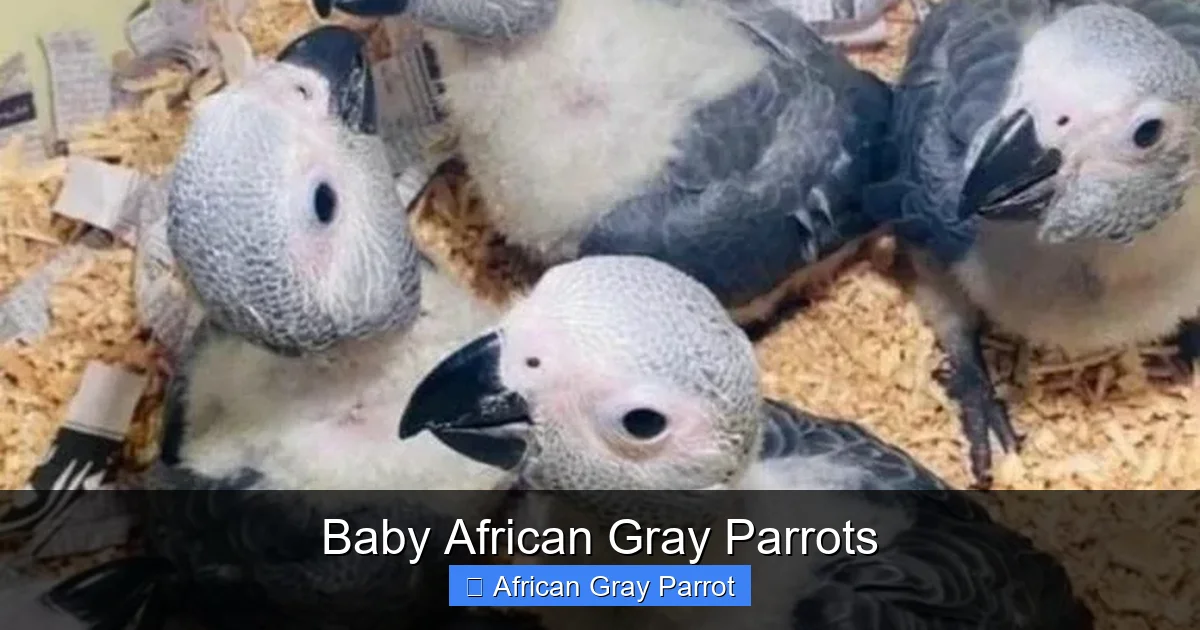
Visual guide about
Image source: exoticglobalparrotsfarm.com
Expose the bird to varied sounds, people, and objects. This reduces fearfulness and encourages confidence. Use positive reinforcement — treats or praise — when the parrot approaches new stimuli calmly.
Tip: Create a Routine
Consistent daily routines (feeding, play, training) give the bird a sense of security. Predictable schedules lower stress and promote trust.
When Should I Start Training?
Training can begin as soon as the bird is eating solid food, usually around 8–10 weeks. Start with simple target training: teach the parrot to touch a stick with its beak for a reward.
Short sessions (5–10 minutes) two to three times a day work best. Keep the environment quiet and free of distractions. Gradually add commands like “step up,” “wave,” and basic words.
Remember, African grays learn by observation. Model the behavior you want, and the bird will often mimic it naturally.
What Health Checks Are Needed for a Baby African Gray Parrot?
Schedule a veterinary exam within the first week of arrival. The vet will check weight, feather condition, and look for signs of respiratory infection or parasites.
Vaccinations are not routine for parrots, but a baseline blood panel helps detect hidden issues. Follow up with annual wellness visits and immediate care if you notice sneezing, discharge, lethargy, or changes in droppings.
Common Early‑Life Concerns
- Feather plucking: often stress‑related; ensure enrichment and proper diet
- Crop stasis: watch for delayed emptying after feeding
- Psittacine beak and feather disease (PBFD): test if any abnormal feather growth appears
How Do I Set Up the Ideal Habitat?
Choose a spacious cage — minimum 36 × 24 × 48 inches — with horizontal bars for climbing. Provide multiple perches of varying diameters (natural wood, rope) to exercise feet.
Include toys that encourage foraging, chewing, and problem solving. Rotate toys weekly to maintain interest. Place the cage in a family‑centered room, away from drafts, direct sunlight, and kitchen fumes.
Maintain a temperature range of 70–80 °F (21–27 °C) and humidity around 50 %. A shallow water dish for bathing and a separate drinking bowl keep hygiene high.
Conclusion
Raising a baby African gray parrot requires patience, knowledge, and daily dedication. By providing a nutritious diet, consistent socialization, early training, regular veterinary care, and an enriching environment, you lay the groundwork for a confident, talkative companion that can share your life for decades. Stay observant, adapt to your bird’s personality, and enjoy the rewarding journey of parrot parenthood.