
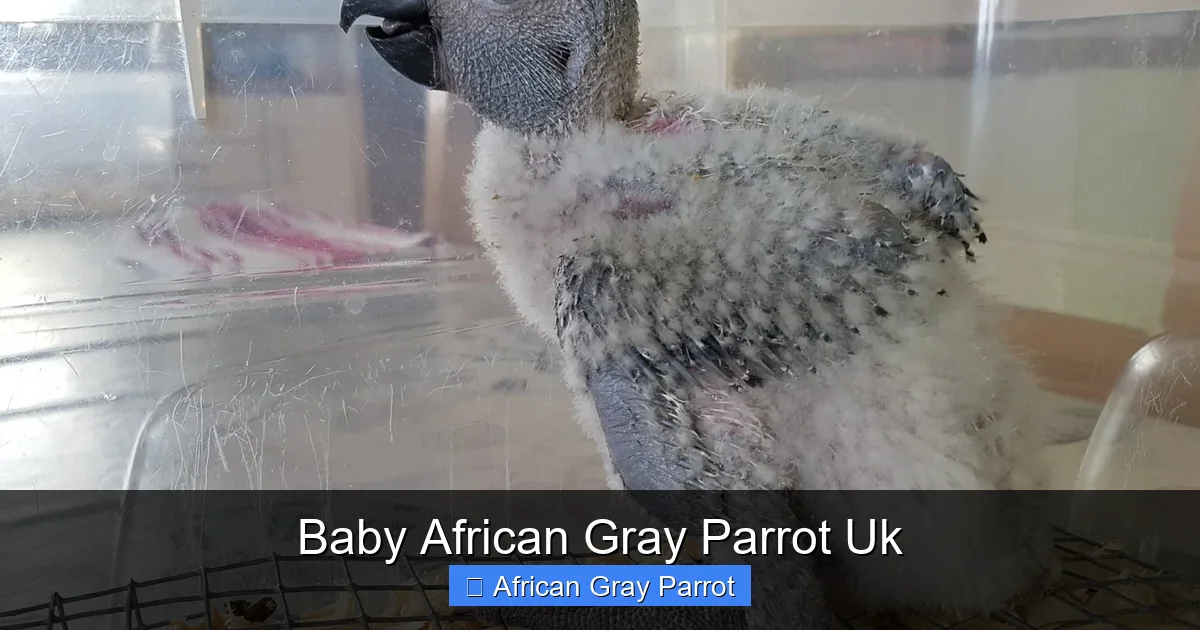
Baby African Grey parrots make intelligent, long-lived companions but require serious commitment. This guide covers UK pricing, legal paperwork, diet, training tips, and how to spot ethical breeders before you buy.
Featured image for
Image source: featheredfriend.uk
Thinking about bringing home a baby African Grey parrot in the UK? You are not alone. These birds are famous for their talking ability and sharp minds. But they are also a massive responsibility. This Q&A covers everything you need to know before you commit.
📑 Table of Contents
- How Much Does a Baby African Grey Parrot Cost in the UK?
- Is It Legal to Own an African Grey in the UK?
- Where Can I Find a Reputable Breeder in the UK?
- What Is the Difference Between Congo and Timneh African Greys?
- What Do Baby African Greys Eat?
- How Do I Set Up the Cage?
- How Do I Train and Socialise a Baby Grey?
- What Health Issues Should I Watch For?
- How Long Do African Greys Live?
- Conclusion
How Much Does a Baby African Grey Parrot Cost in the UK?
Expect to pay between £1,500 and £3,500 for a hand-reared baby. The price depends on age, subspecies (Congo vs Timneh), and the breeder’s reputation. Congo Greys are larger and usually cost more. Timneh Greys are smaller, darker, and often slightly cheaper.
Do not forget the setup costs. A large cage, toys, perches, and a carrier will add another £500 to £1,000. Ongoing costs include high-quality pellets, fresh produce, and vet bills. Avian vets are specialists and charge higher fees than standard vets. Insurance is highly recommended.
Is It Legal to Own an African Grey in the UK?
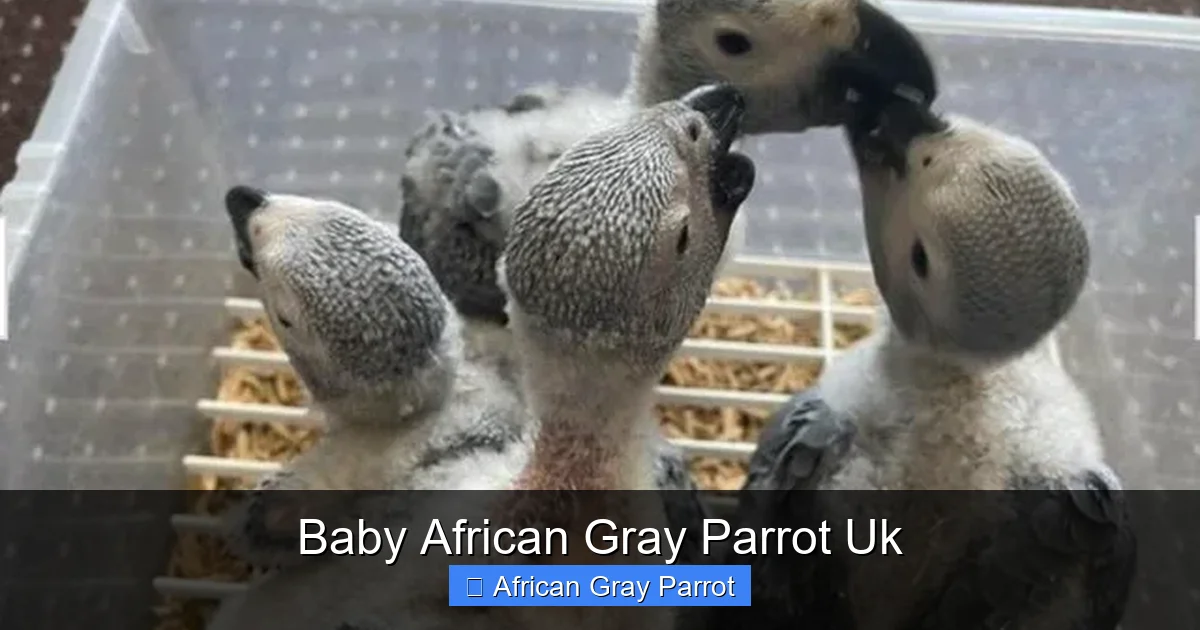
Yes, but strict rules apply. African Greys are listed on CITES Appendix I. This means all commercial trade is banned. You can only buy a captive-bred bird with valid paperwork.
Visual guide about
Image source: featheredfriend.uk
What Paperwork Do I Need?
You must receive an Article 10 Certificate (A10) from the seller. This proves the bird was bred in captivity legally. There are two types: Transaction Specific (for one sale) and Specimen Specific (stays with the bird for life). Always ask to see the certificate before you pay. No certificate means the sale is illegal.
Do I Need a Licence?
You do not need a licence to keep one as a pet. However, the breeder or seller must be registered with APHA (Animal and Plant Health Agency). Check their registration number on the GOV.UK website.
Where Can I Find a Reputable Breeder in the UK?
Start with the Parrot Society UK or Birdline Parrot Rescue. These organisations have breeder directories and strict codes of conduct. Avoid Gumtree, Preloved, or Facebook Marketplace. Scams are rampant there. You often see stolen wild-caught birds or sick chicks sold by backyard breeders.
A good breeder will:
- Let you visit the aviary and meet the parents.
- Show you the A10 certificate instantly.
- Provide a diet sheet and weaning record.
- Offer lifetime support and a take-back clause.
- Wean the baby fully onto pellets and veg before sale (usually 12–14 weeks old).
Never buy an unweaned baby. Hand-feeding is high-risk. Chicks can aspirate, crop burn, or starve if you make a mistake. Leave that to the experts.
What Is the Difference Between Congo and Timneh African Greys?
Both make great pets. Congo African Greys are the classic “grey with a red tail.” They are larger (300–400g) and often bond tightly to one person. Timneh African Greys are smaller (250–300g), darker charcoal, with a maroon tail and a horn-coloured upper beak. They tend to be slightly more relaxed and may start talking earlier.
Personality varies more by individual than subspecies. Spend time with both if you can. Rescue centres often have adults of both types looking for homes.
What Do Baby African Greys Eat?
A weaned baby should eat a base diet of high-quality pellets (60–70%). Brands like Harrison’s, Roudybush, or Tropimix are solid UK choices. The rest is fresh vegetables (broccoli, kale, peppers, carrots), some fruit, and a few healthy seeds or nuts as treats.
Never feed avocado, chocolate, caffeine, alcohol, onion, or salt. These are toxic. Fresh water must be available 24/7. Change it twice daily. Greys love to dunk food, so bowls get dirty fast.
How Do I Set Up the Cage?
Buy the largest cage you can afford. Minimum size: 90cm wide x 60cm deep x 120cm high. Bar spacing must be 1.9cm to 2.5cm. Horizontal bars are essential for climbing. Place the cage in a busy room but away from draughts, direct sun, and kitchen fumes (Teflon kills birds).
Provide:
- Natural wood perches of varying diameters (java, dragonwood, hazel).
- Foraging toys (paper, palm, wood).
- A sleep cage or cover for 12 hours of dark, quiet sleep.
- UV bird lamp (Arcadia or similar) for Vitamin D3 synthesis.
How Do I Train and Socialise a Baby Grey?
Start positive reinforcement training immediately. Use tiny treats (pine nut, sunflower kernel) to reward step-up, recall, and target training. Keep sessions short: 2–5 minutes, a few times a day.
Socialise widely. Let different people handle the bird gently. Expose it to household noises (hoover, TV, doorbell) gradually. A well-socialised Grey is confident. An isolated Grey becomes phobic, screamers, or feather pluckers.
Teach “stationing” (staying on a perch) early. It makes vet visits and cage cleaning safer. Never punish. Greys hold grudges. Trust is everything.
What Health Issues Should I Watch For?
Book an avian vet check within 72 hours of bringing your baby home. Establish a baseline weight. Weigh weekly on gram scales. A 5–10% drop is an emergency.
Common issues include:
- Calcium deficiency: Causes seizures. Fixed by UV light and pellets.
- Psittacine Beak and Feather Disease (PBFD): Viral, fatal. Test before buying.
- Respiratory infections: Sneezing, tail bobbing, click sounds. Needs urgent vet care.
- Feather plucking: Usually behavioural (boredom, stress, lack of sleep).
Annual check-ups with bloods are standard. Find your nearest avian vet before you buy. Many areas have none.
How Long Do African Greys Live?
40 to 60 years is typical. Some reach 80. This is a lifetime commitment. You must plan for their care in your will. Many end up in rescue because owners die or move into care homes. Adopting an older bird is a kind, realistic alternative to buying a baby.
Conclusion
A baby African Grey parrot in the UK is a brilliant, demanding, long-term family member. Budget £3,000+ for the first year. Verify the A10 certificate. Choose a breeder who weans properly and supports you. Set up a huge cage, UV light, and pellet diet from day one. Train with kindness. Find an avian vet now. If that sounds like too much work, please admire them at a sanctuary instead. The birds deserve a home that is ready for them.