
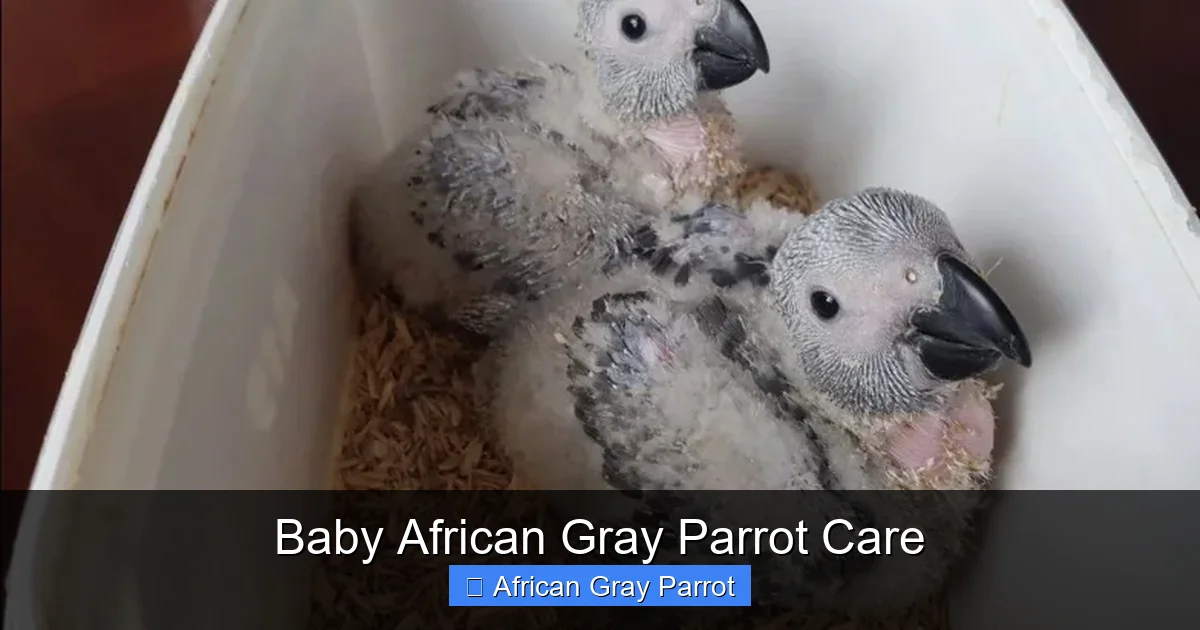
Raising a baby African gray parrot requires specialized knowledge about diet, environment, and socialization. This guide covers everything from hand-feeding formulas to cage setup and early training techniques that build a lifelong bond with your intelligent companion.
Featured image for
Image source: singing-wings-aviary.com
Bringing home a baby African gray parrot is an exciting journey. These intelligent birds need specific care during their first year to thrive. Proper nutrition, safe housing, and early socialization shape their health and personality for decades. This guide answers the most common questions new owners ask.
📑 Table of Contents
What Should I Feed a Baby African Gray Parrot?
A baby African gray parrot needs a specialized hand-feeding formula until fully weaned. Most babies arrive at 8-12 weeks old still requiring formula feeds. Choose a commercial formula made for African grays. Mix fresh for each feeding. The temperature must stay between 104-108 degrees Fahrenheit. Too hot burns the crop. Too cold causes slow digestion.
Feed every 3-4 hours during the day. Night feeds stop once the bird sleeps through. Watch the crop empty between meals. A full crop feels soft like a balloon. An empty crop feels flat. Weight gain of 5-15 grams daily signals healthy growth. Introduce solid foods at 8 weeks. Offer warm cooked vegetables, pellets, and small fruit pieces. Weaning completes around 12-16 weeks.
How Do I Set Up the Perfect Cage?
Choose a cage at least 36 inches wide, 24 inches deep, and 40 inches tall. Bar spacing must be 3/4 inch or less. Wider gaps trap heads. Place the cage in a social area away from drafts and direct sunlight. The kitchen is dangerous due to fumes from nonstick cookware.
Visual guide about
Image source: atractivopets.com
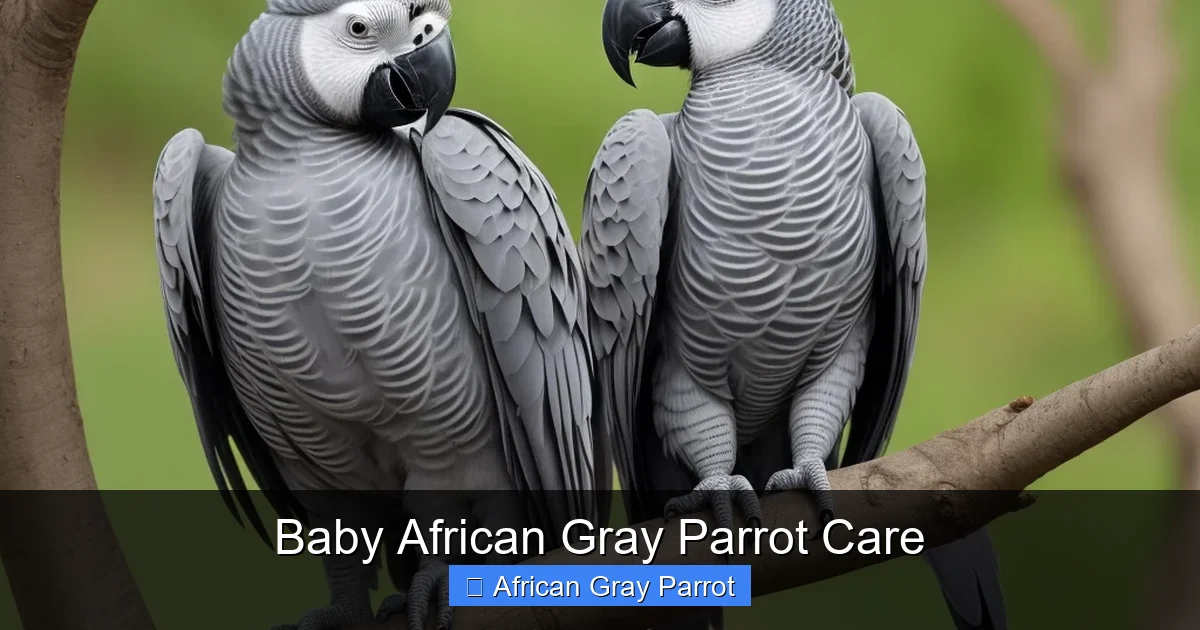
Provide multiple perches of varying diameters. Natural wood branches exercise feet. Rope perches add comfort. Place food and water bowls away from perches to prevent contamination. Add foraging toys immediately. Baby grays explore with their beaks. Rotate toys weekly to prevent boredom. A play gym outside the cage encourages exercise and family interaction.
What Temperature and Humidity Levels Are Best?
Baby African grays cannot regulate body temperature well. Keep the room at 72-80 degrees Fahrenheit. A ceramic heat emitter over one corner creates a warm zone. The bird moves closer or farther as needed. Never use heating pads under the cage. They cause severe burns.
Humidity should stay between 50-60 percent. Dry air causes respiratory issues and poor feather quality. Use a humidifier in winter. A hygrometer monitors levels accurately. Mist the bird lightly with warm water daily. This mimics rainforest conditions and encourages preening. Good humidity prevents feather plucking later in life.
How Do I Socialize and Train My Baby Gray?
Socialization starts the moment your bird arrives. Spend several hours daily near the cage. Talk softly. Offer treats through bars. Let the baby set the pace. Forcing interaction creates fear. Short sessions of 10-15 minutes work best for young birds.
Teach step-up using a hand-held perch first. Say “step up” consistently. Reward with a favorite treat. Target training builds confidence. Hold a chopstick. Reward touching it. This teaches the bird to follow cues. Introduce harness training early if you plan outdoor adventures. Never take an unharnessed bird outside. Even clipped wings catch wind gusts.
What Health Signs Should I Monitor?
Weigh your baby daily on a gram scale. Weight loss of 10 percent requires immediate veterinary attention. Healthy droppings have three parts: green feces, white urates, and clear urine. Changes in color, consistency, or frequency signal illness. Fluffed feathers, tail bobbing, or open-mouth breathing are emergencies.
Schedule a well-bird exam within the first week. Find an avian veterinarian before you need one. Baseline blood work establishes normal values. Discuss vaccination options. Polyomavirus vaccine protects against a deadly disease. Quarantine new birds for 45 days if you have other parrots. Wash hands between handling different birds.
How Do I Handle the Weaning Process?
Weaning is a gradual process, not an event. Offer a variety of foods in shallow dishes. Warm foods mimic crop temperature. Eat near your bird. Parrots learn by watching. Pellets should form 60-70 percent of the adult diet. Fresh vegetables and fruits provide 20-30 percent. Seeds and nuts are treats only.
Reduce formula feeds as solid food intake increases. Drop the midday feed first. Then the morning feed. The evening feed lasts longest. Some babies regress during stress. Illness, moves, or routine changes cause temporary setbacks. Resume formula if weight drops. Patience prevents behavioral issues. A fully weaned bird eats independently for two weeks.
What Common Mistakes Should I Avoid?
Overfeeding formula stretches the crop permanently. This leads to sour crop and bacterial infections. Follow the manufacturer’s mixing ratio exactly. Never microwave formula. Hot spots cause crop burns. Test temperature on your wrist. It should feel warm, not hot.
Clipping wings too early prevents proper muscle development. Fledging builds confidence and coordination. Allow flight until the bird navigates well. Then consider a light clip for safety. Avoid shoulder sitting. It creates dominance issues and bite risks. Use a hand-held perch instead. Never punish biting. It destroys trust. Redirect to a toy. Reward gentle behavior.
Conclusion
Raising a baby African gray parrot demands dedication and knowledge. Proper nutrition, safe housing, consistent socialization, and vigilant health monitoring create a foundation for a 50-year companionship. Every bird develops at its own pace. Adjust care to your individual’s needs. The effort you invest now shapes a confident, well-adjusted companion who enriches your life for decades.