
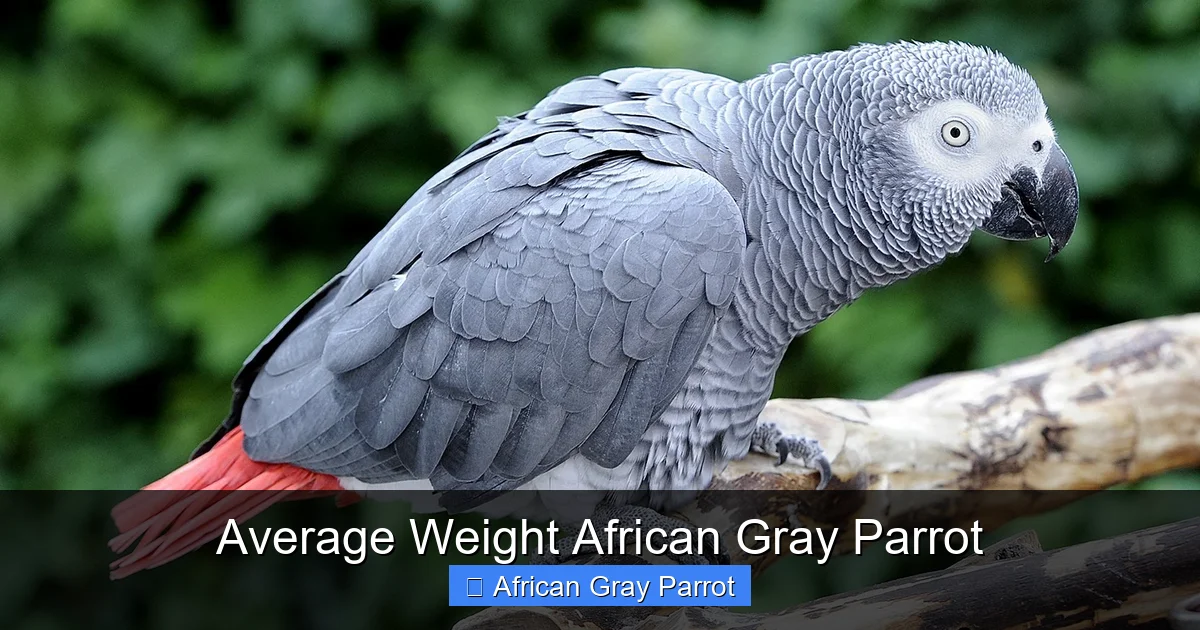
African Gray Parrots typically weigh between 400 and 600 grams. Age, diet, and subspecies can shift this range. Regular weigh‑ins help you spot health problems early.
Featured image for
Image source: marylandzoo.org
African Gray Parrots are popular pets known for their intelligence and talking ability. Knowing their normal weight helps you keep them healthy. This guide answers the most common questions about their average weight.
📑 Table of Contents
What is the average weight of an African Gray Parrot?
Most adult African Gray Parrots weigh between 400 and 600 grams. That is roughly 14 to 21 ounces.
Males and females fall in the same range. Young birds start lighter and gain weight as they mature.
Health issues or poor nutrition can push a bird outside this window. A sudden drop or rise often signals a problem that needs attention.
How does age affect the weight?
Chicks weigh only 10 to 15 grams at hatch. They double their weight in the first week.
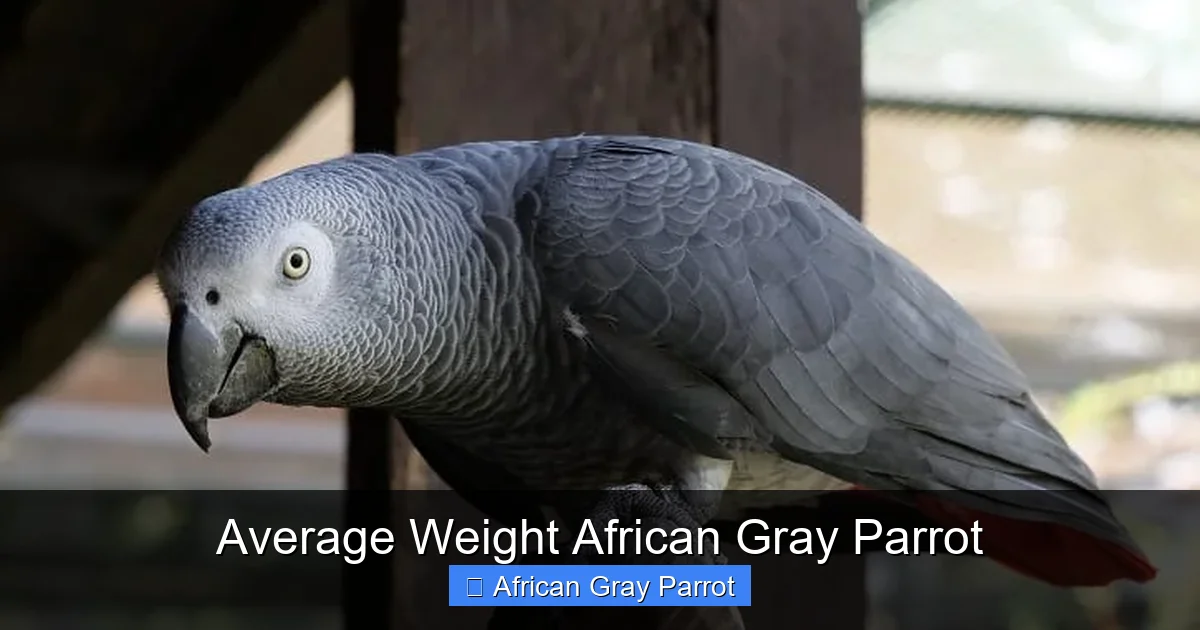
Visual guide about
Image source: parrotwebsite.com
By six months they reach 300 to 350 grams. Full adult weight is usually reached by 12 to 18 months.
Senior parrots may lose a few grams each year. Monitoring helps you adjust diet before weight loss becomes severe.
What role does diet play?
A balanced diet keeps weight stable. Seeds alone are too high in fat and low in nutrients.
Offer pellets, fresh vegetables, and limited fruit. Adjust portions if the bird gains or loses weight.
Treats should be less than 10 percent of daily calories. Overfeeding treats is a common cause of obesity.
Are there differences between subspecies?
The Congo African Gray is slightly larger than the Timneh. Congo birds often weigh 450 to 600 grams.
Timneh parrots usually stay between 350 and 500 grams. Knowing the subspecies helps set realistic targets.
Hybrid birds can fall anywhere in between. Always weigh the individual rather than rely on averages alone.
How can I monitor my parrot’s weight at home?
Weigh your bird once a week using a small digital kitchen scale. Place a perch or a lightweight container on the scale first, then zero it.
Record the number in a notebook or app. Look for trends rather than daily fluctuations.
- Use a gram scale with 0.1‑gram precision.
- Weigh at the same time each day, preferably before feeding.
- Keep the bird calm; a towel can help prevent fluttering.
- Note any changes in appetite or droppings alongside the weight.
- Share the log with your avian vet during check‑ups.
What scale should I use?
A scale that measures in grams with 0.1‑gram precision works best. Avoid bathroom scales; they are not sensitive enough.
How often should I weigh?
Weekly is ideal for most owners. If your bird is ill or breeding, weigh every two to three days.
When should I see a vet about weight changes?
A sudden loss of 10 percent or more in a week is a red flag. Rapid gain can also signal problems like fatty liver disease.
Other signs include lethargy, changes in droppings, or feather plucking. Bring your bird to an avian vet for a full check‑up.
Regular veterinary visits catch hidden issues early. Preventive care is cheaper and less stressful than emergency treatment.
Key Takeaways
African Gray Parrots usually weigh 400‑600 grams. Age, diet, and subspecies shift the range. Weigh weekly, feed a balanced diet, and watch for sudden changes. Early action keeps your feathered friend healthy.