
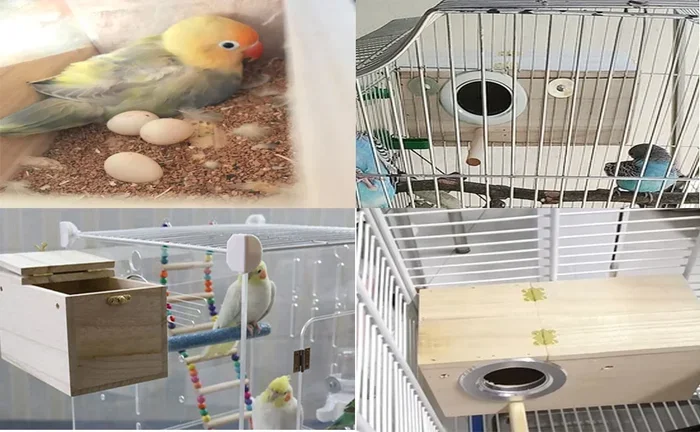
Featured image for breeding parrots nesting box
Image source: m.media-amazon.com
Breeding parrots requires a healthy pair, a spacious and well‑lit aviary, a nutrient‑rich diet, and careful monitoring of eggs and chicks. Follow these steps to increase your chances of a successful clutch and raise strong, socialized fledglings.
Breeding parrots can be one of the most rewarding experiences for any bird enthusiast. Whether you are a hobbyist hoping to expand your flock or a conservationist working to preserve a rare species, understanding the fundamentals will save you time, money, and heartache. This guide walks you through every stage, from selecting the right pair to raising confident fledglings.
Before you begin, ask yourself the five essential questions: Who will care for the birds daily? What species are you targeting? Where will the aviary be located? When is the natural breeding season for that species? Why do you want to breed – for companionship, education, or species preservation? Clear answers shape every decision that follows.
Key Takeaways
- Choose compatible, mature birds: Pair birds of the same species that are at least 2–3 years old and have clean health checks.
- Provide a proper nest box: Use a wooden box with a 2‑inch entrance hole, lined with untreated wood shavings.
- Control lighting and temperature: Mimic natural photoperiods (12–14 hours light) and keep ambient temperature between 70–80 °F.
- Feed a breeding diet: Offer high‑protein pellets, fresh fruits, vegetables, and calcium supplements daily.
- Monitor courtship and aggression: Watch for mutual preening, feeding, and nest building; separate if aggression escalates.
- Incubate or allow parental care: Candling at day 7 confirms fertility; decide between artificial incubation or parent rearing.
- Socialize chicks early: Hand‑feed only if necessary, then introduce chicks to the flock for proper behavioral development.
📑 Table of Contents
Understanding Parrot Breeding Basics
Species Selection
Not all parrots breed readily in captivity. Large macaws, African greys, and cockatoos often need more space and social stimulation than smaller conures or budgerigars. Research the specific reproductive biology of your chosen species. Did you know? Approximately 70 % of captive parrots fail to breed when kept in inadequate lighting conditions. Choose a species that matches your facility size and your experience level.
Age and Maturity
Most parrots reach sexual maturity between 2 and 5 years, depending on size. Breeding too early can cause health problems for the hen and produce weak chicks. Verify the age of each bird through band records or a veterinarian’s assessment. A mature pair shows stable weight, bright plumage, and consistent eating habits.
Health Checks
Schedule a full avian veterinary exam before pairing. Test for psittacosis, polyomavirus, and feather‑plucking disorders. Deworm and vaccinate according to your vet’s protocol. Healthy parents are the single biggest predictor of a viable clutch. Keep a written health log for each bird; it helps track subtle changes over time.
Creating the Ideal Environment
Cage Size and Layout
A breeding pair needs room to fly, forage, and establish a territory. Minimum dimensions for a medium‑sized parrot are 6 ft × 3 ft × 4 ft (L × W × H). Larger species require proportionally bigger enclosures. Include multiple perches of varying diameters, natural branches, and safe toys to reduce boredom. A crowded cage triggers stress and aggression.
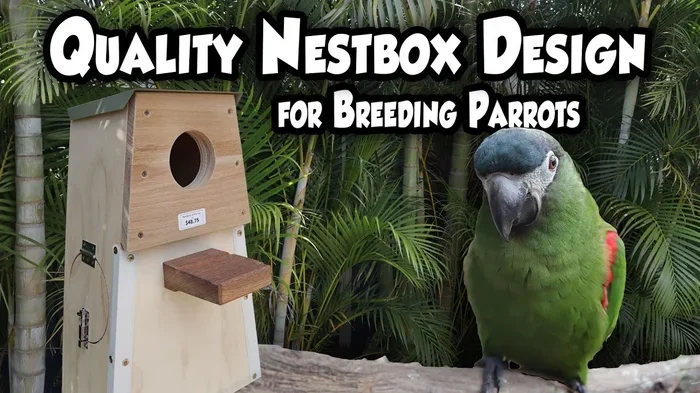
Visual guide about breeding parrots nesting box
Image source: i.ytimg.com
Lighting and Photoperiod
Parrots are photoperiodic; their reproductive hormones respond to day length. Provide 12–14 hours of full‑spectrum UVB light daily during the breeding season. Use timers to keep the schedule consistent. In winter, gradually increase light exposure to simulate spring. Did you know? Birds exposed to proper UVB synthesize vitamin D3, essential for calcium metabolism and eggshell formation.
Temperature and Humidity
Maintain ambient temperature between 70 °F and 80 °F (21–27 °C). Humidity should stay around 50–60 %. Sudden drafts or temperature spikes can cause egg binding or chick mortality. Use a reliable thermostat and a hygrometer. A heated perch or ceramic heat emitter can create a warm zone without overheating the whole aviary.
Nest Box Design
Offer a wooden nest box measuring roughly 12 in × 12 in × 18 in for medium parrots. The entrance hole should be 2–3 inches in diameter, positioned near the top. Line the floor with untreated pine shavings or coconut fiber. Place the box in a quiet corner, slightly elevated, and secure it to prevent tipping. Some species prefer a dark interior; a removable lid helps with inspections.
Nutrition for Breeding Success
Balanced Diet
A breeding diet must be higher in protein, calcium, and essential fatty acids than a maintenance diet. Base the menu on a high‑quality pelleted formula (at least 18 % protein). Supplement daily with fresh vegetables (dark leafy greens, carrots, bell peppers) and fruits (papaya, mango, berries). Offer sprouted seeds and cooked legumes for extra protein. Rotate foods to prevent selective eating.
Supplements
Calcium is critical during egg production. Provide a cuttlebone, calcium block, or a liquid calcium supplement in the water. Vitamin D3 drops are useful if UVB exposure is limited. A pinch of powdered kelp adds trace minerals. Avoid over‑supplementation; excess vitamin A can be toxic. Consult your avian vet for a tailored supplement plan.
Feeding Schedule
Feed the pair twice daily – morning and late afternoon. Remove uneaten fresh food after 2 hours to prevent spoilage. Keep clean water available at all times; change it at least twice a day. During the egg‑laying period, increase the portion of high‑calcium foods by 20 %. Monitor weight weekly; a sudden drop signals a problem.
Pair Bonding and Courtship
Introducing Potential Mates
If you are pairing unfamiliar birds, use a “side‑by‑side” introduction. Place cages next to each other for 1–2 weeks so they can see and hear each other without physical contact. Swap toys and perches to transfer scent. Gradually allow supervised out‑of‑cage time together. Patience reduces the risk of serious fights.
Observing Courtship Behaviors
Positive signs include mutual preening, regurgitation feeding, synchronized vocalizations, and joint nest‑box exploration. The male may perform a “bow” display, spreading wings and bobbing his head. Record these behaviors in a journal; they help you confirm a strong pair bond before eggs appear.
Managing Aggression
Even bonded pairs can become territorial. Provide multiple feeding stations and perches to minimize resource guarding. If aggression escalates to feather plucking or bite wounds, separate the birds immediately and reassess compatibility. Sometimes a brief “cool‑down” period of 48 hours in adjacent cages restores calm.
Monitoring Egg Laying and Incubation
Recognizing Egg Laying
The hen will spend increasing time in the nest box, often shredding nesting material. She may lay one egg every 1–2 days until the clutch is complete (typically 3–6 eggs). Mark the lay date on a calendar. Did you know? A healthy hen can lay up to 8 eggs in a single season if nutrition and lighting are optimal.
Incubation Options
You have two main choices: natural incubation by the parents or artificial incubation in a calibrated incubator. Natural incubation strengthens parental instincts but carries a higher risk of egg breakage. Artificial incubators give you precise temperature (99.5 °F) and humidity (55 %) control. Turn eggs gently 3–5 times daily if using an incubator.
Candling and Development
Candle eggs at day 7 and day 14 using a bright LED light in a dark room. Fertile eggs show a network of blood vessels and a dark embryo. Infertile or dead‑in‑shell eggs appear clear or have a blood ring. Remove non‑viable eggs to prevent bacterial contamination. Keep a candling log for each clutch.
Raising Chicks to Fledging
Hand‑Feeding vs Parent‑Rearing
If parents are attentive, let them rear the chicks. They provide crop milk, warmth, and social cues. Hand‑feeding is necessary only when parents abandon the nest or a chick is failing to thrive. Use a commercial hand‑feeding formula mixed to the manufacturer’s specifications. Feed every 2–3 hours for the first week, then gradually extend intervals.
Weaning Timeline
Chicks typically begin exploring solid food at 4–6 weeks. Offer softened pellets, mashed vegetables, and small fruit pieces alongside formula. Reduce formula volume as solid intake increases. Full weaning usually occurs by 10–12 weeks for medium parrots. Monitor weight daily; a steady gain of 5–10 % per week indicates healthy growth.
Socialization and Health Checks
Expose fledglings to household sounds, gentle handling, and other friendly birds once they are fully feathered. This prevents fear‑based behaviors later. Schedule a veterinary check at 8 weeks for a baseline health assessment, including a fecal exam and feather condition review. Early detection of issues like psittacine beak and feather disease saves lives.
Breeding parrots is a journey of observation, patience, and continuous learning. By following the steps outlined above – selecting a healthy, mature pair; providing a spacious, well‑lit, and temperature‑controlled aviary; feeding a nutrient‑dense breeding diet; nurturing a strong pair bond; and carefully monitoring eggs and chicks – you dramatically increase the odds of a successful hatch and robust fledglings. Remember, every species has its quirks, so stay curious, keep detailed records, and never hesitate to consult an avian veterinarian when something feels off. Your dedication not only enriches your own life but also contributes to the preservation of these intelligent, charismatic birds for future generations.
Frequently Asked Questions
What is the best age to start breeding parrots?
Most parrots should be at least 2–3 years old before breeding. Larger species like macaws may need 4–5 years to reach full maturity. Breeding too early can cause health problems for the hen and weak chicks.
How long does the breeding season last for parrots?
In captivity, the breeding season can be induced year‑round with proper lighting, but many species naturally breed in spring and summer. A typical clutch cycle – from egg laying to fledging – takes 8–12 weeks.
Do I need a special incubator for parrot eggs?
An artificial incubator with precise temperature (99.5 °F) and humidity (55 %) control improves hatch rates, especially for first‑time breeders. However, many pairs successfully incubate naturally if the nest box is secure and the environment is stable.
What should I feed a breeding pair of parrots?
Provide a high‑protein pelleted base (18 %+ protein), fresh vegetables, fruits, sprouted seeds, and a calcium source such as cuttlebone or liquid calcium. Increase calcium-rich foods during egg laying.
How can I tell if an egg is fertile?
Candle the egg at day 7 using a bright light in a dark room. Fertile eggs show a network of blood vessels and a dark embryo. Infertile eggs appear clear or have a blood ring.
When should I start hand‑feeding chicks?
Hand‑feed only if the parents abandon the nest or a chick is not gaining weight. Begin within the first 24 hours using a commercial hand‑feeding formula, feeding every 2–3 hours and gradually spacing feeds as the chick grows.