
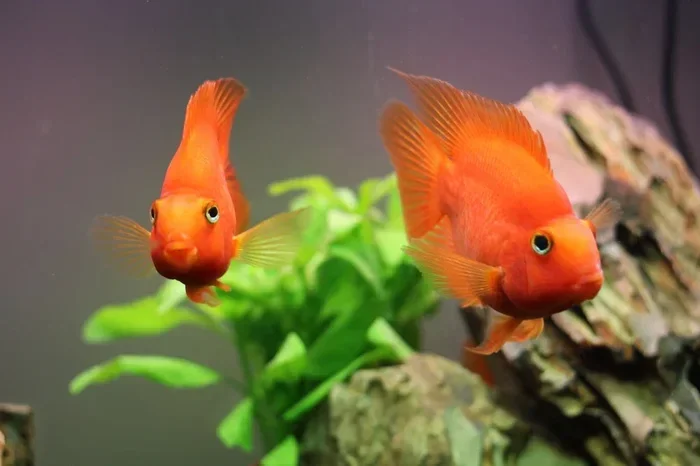
Featured image for Red parrot fish breeding pair
Image source: cdn.shopify.com
Breeding red parrot fish is rewarding but requires a stable tank, a bonded pair, and careful fry management. Follow these proven steps to raise healthy juveniles.
When you start learning how to breed red parrot fish, the first thing to remember is that these colorful cichlids are hybrids. They do not exist in the wild, so every generation comes from careful human planning. The process is similar to raising a small family: you need a safe home, good nutrition, and a watchful eye.
In this guide you will discover the who, what, where, when, and why of how to breed red parrot fish. We cover tank preparation, pair selection, spawning triggers, egg care, and fry rearing. By the end you will have a clear roadmap that you can follow in any home aquarium.
Key Takeaways
- Stable water parameters are the foundation; keep temperature, pH, and hardness consistent.
- Choose a mature, compatible pair and condition them with high‑protein foods.
- Provide a dedicated spawning site such as a flat rock or breeding cone.
- Monitor eggs closely and remove unfertilized ones to prevent fungus.
- Feed fry infusoria then baby brine shrimp for rapid growth.
- Separate juveniles early to avoid aggression and cannibalism.
- Patience and observation are key; each batch teaches you more about how to breed red parrot fish.
📑 Table of Contents
Understanding Red Parrot Fish Basics
Red parrot fish are a man‑made hybrid of several Central American cichlids. Their bright orange‑red color and unique beak‑shaped mouth make them popular. Because they are hybrids, most males are sterile. However, females can produce viable eggs when paired with a fertile male of a compatible species such as a convict cichlid or a midas cichlid.
Who Should Attempt Breeding
Anyone with a basic understanding of aquarium maintenance can try how to breed red parrot fish. You do not need a professional lab. A dedicated hobbyist with a 55‑gallon tank or larger can succeed.
What You Need to Know
These fish reach sexual maturity at 12‑18 months. They prefer warm water (78‑82 °F), a slightly acidic to neutral pH (6.5‑7.5), and moderate hardness (8‑12 dGH). Consistent parameters reduce stress and increase spawning success.
Where to Set Up
A separate breeding tank is ideal. It isolates the pair from tank mates that might eat eggs or fry. A 40‑gallon breeder tank works well for a single pair.
When to Breed
Breeding can occur year‑round in a controlled environment. Many keepers trigger spawning by simulating a rainy season: a 2‑3 °C temperature rise and a 20 % water change with slightly cooler water.
Why Breed Red Parrot Fish
Breeding lets you expand your collection, share juveniles with friends, and observe fascinating parental behaviors. It also deepens your knowledge of cichlid biology.
Preparing the Breeding Environment
A well‑prepared tank is the single most important factor in how to breed red parrot fish successfully. Think of the tank as a nursery; every detail matters.
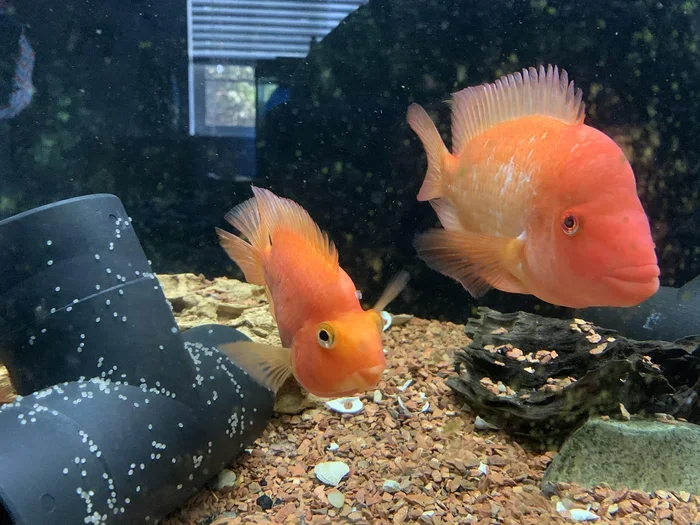
Visual guide about Red parrot fish breeding pair
Image source: i.redd.it
Tank Size and Layout
Use at least a 40‑gallon tank. Add a fine sand substrate, several flat rocks, and a few caves. Flat rocks serve as spawning sites. Caves give the female a refuge if the male becomes aggressive.
Filtration and Flow
Choose a gentle canister filter or a sponge filter. Strong currents can dislodge eggs. Aim for a turnover of 4‑5 times per hour.
Water Parameters
- Temperature: 78‑82 °F (25‑28 °C)
- pH: 6.8‑7.2
- Hardness: 8‑12 dGH
- Ammonia/Nitrite: 0 ppm
- Nitrate: < 20 ppm
Lighting
Moderate lighting (8‑10 hours) mimics natural day length. Avoid intense light that encourages algae growth on eggs.
Did You Know?
Red parrot fish can recognize their owner’s face. Regular interaction reduces stress, which improves breeding readiness.
Selecting and Conditioning Breeding Pairs
Choosing the right pair is like picking dance partners; compatibility determines the performance.
Identifying Sex
Females are usually rounder, especially when gravid. Males develop a more pronounced nuchal hump and brighter coloration. Venting (examining the genital papilla) is the most reliable method.
Pair Compatibility
Introduce the male and female in a neutral tank for 1‑2 weeks. Watch for courtship displays: the male will flare fins, shake his body, and clean a chosen rock. If the female follows and mimics, they are bonding.
Conditioning Diet
Feed high‑protein foods 3‑4 times daily for two weeks before spawning. Good options include:
- Live bloodworms
- Frozen brine shrimp
- High‑quality cichlid pellets
- Chopped earthworms
Supplement with vitamin‑enriched flakes to boost egg quality. This conditioning phase is critical for how to breed red parrot fish because well‑fed females produce larger, healthier egg clutches.
Health Checks
Quarantine new fish for 30 days. Treat any parasites with praziquantel or metronidazole before introducing them to the breeding tank.
The Spawning Process Step by Step
Once the pair is conditioned, the actual spawning follows a predictable sequence. Understanding each step helps you intervene only when necessary.
Triggering the Spawn
Perform a 20 % water change with water 2 °C cooler than the tank. Raise the temperature back to 82 °F over 24 hours. Add a few drops of commercial “rain” extract or simply increase aeration. This mimics the onset of the rainy season.
Courtship Ritual
The male selects a flat rock, cleans it meticulously, and invites the female. She inspects the site, then deposits 100‑300 eggs in neat rows. The male fertilizes them immediately.
Egg Care
Both parents fan the eggs with their pectoral fins to provide oxygen. They also remove any white, unfertilized eggs. If the male becomes overly aggressive, place a divider that still allows water flow.
Incubation Timeline
- Day 0: Eggs laid
- Day 1‑2: Eyes become visible (embryo development)
- Day 3‑4: Hatching begins; larvae remain attached to the rock
- Day 5‑6: Free‑swimming fry appear
Removing the Parents
After fry are free‑swimming (usually day 5), move the adults back to the main display tank. This prevents accidental predation and reduces stress on the fry.
Did You Know?
A single female can lay up to 500 eggs in optimal conditions, but typical clutches are 150‑250 eggs.
Raising Fry to Juvenile Stage
Fry care is the most labor‑intensive part of how to breed red parrot fish. Tiny mouths need tiny food, and water quality must stay pristine.
First Foods (Days 1‑7)
Feed newly hatched fry infusoria or commercially available liquid fry food 4‑6 times daily. Use a turkey baster to target feed near the fry cloud.
Transition to Baby Brine Shrimp (Day 7‑21)
Once fry are large enough (about 5 mm), introduce newly hatched baby brine shrimp (BBS). Feed 3‑4 times daily. BBS provides essential fatty acids for rapid growth.
Growing On (Weeks 3‑8)
Gradually add crushed high‑quality flake and micro‑pellets. Perform 10‑15 % water changes every other day. Keep the tank dimly lit to reduce stress.
Sorting and Separating
At 4‑6 weeks, size differences appear. Separate larger juveniles into a grow‑out tank to prevent bullying. Use a fine mesh net to avoid injury.
Health Monitoring
Watch for signs of ich, fin rot, or bacterial infections. Treat early with appropriate medication. Maintain a quarantine protocol for any new additions.
Growth Milestones
- 2 weeks: ~8 mm, eating BBS
- 4 weeks: ~15 mm, accepting crushed flake
- 8 weeks: ~30 mm, ready for community tank
Common Challenges and Troubleshooting
Even experienced keepers encounter hiccups. Knowing the usual suspects saves time and fish.
Egg Fungus
White cottony growth indicates fungus. Remove affected eggs with a pipette. Add a mild methylene blue bath (1 ppm) for 24 hours to the remaining eggs.
Male Aggression
If the male attacks the female after spawning, install a clear acrylic divider. Ensure water flow passes through so the female still receives oxygenated water.
Low Hatch Rate
Causes include poor water quality, infertile male, or inadequate conditioning. Review diet, water parameters, and male fertility. Consider swapping the male for a proven fertile partner.
Fry Starvation
Fry have tiny stomachs. If they are not eating, check food particle size. Infusoria cultures can crash; keep a backup culture ready.
Water Quality Spikes
Ammonia spikes are lethal to fry. Use a seeded sponge filter from an established tank to jump‑start biofiltration. Test daily during the first two weeks.
Genetic Deformities
Because red parrot fish are hybrids, some juveniles may develop spinal curvature or mouth deformities. Cull severely affected individuals humanely to maintain colony health.
Conclusion
Learning how to breed red parrot fish is a journey that blends science, art, and patience. Start with a stable environment, choose a compatible pair, condition them well, and watch the natural spawning dance unfold. Care for the eggs, feed the fry the right foods at the right times, and separate juveniles before aggression starts. Each batch teaches you something new, and soon you will have a thriving line of vibrant red parrot fish to enjoy and share. Remember, the key to success is consistency—keep water clean, feed quality food, and observe daily. Happy breeding!
Frequently Asked Questions
What tank size is best for breeding red parrot fish?
A 40‑gallon breeder tank is ideal for a single pair. It provides enough space for territories, a spawning site, and stable water parameters.
How can I tell if my red parrot fish are ready to spawn?
The male will clean a flat rock vigorously, flare his fins, and perform a shaking dance. The female will follow, inspect the site, and display a rounded belly when gravid.
Do red parrot fish need a special diet before breeding?
Yes. Feed high‑protein foods such as live bloodworms, frozen brine shrimp, and quality cichlid pellets 3‑4 times daily for two weeks to condition the pair.
How long do red parrot fish eggs take to hatch?
Eggs typically hatch in 3‑4 days at 80‑82 °F. The larvae remain attached to the rock for another day before becoming free‑swimming fry.
What should I feed newly hatched fry?
Start with infusoria or liquid fry food for the first week, then switch to newly hatched baby brine shrimp as they grow.
Why are my red parrot fish eggs turning white and fuzzy?
White fungus indicates unfertilized or dead eggs. Remove them promptly and treat the remaining eggs with a low‑dose methylene blue bath to prevent spread.