
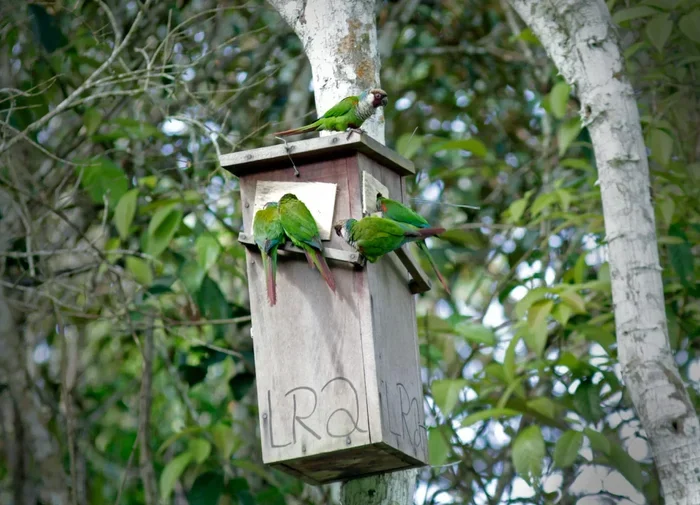
Featured image for parakeet nesting box
Image source: birdguides-cdn.com
Breeding parakeets requires careful preparation, the right environment, and patience. This comprehensive guide covers everything from selecting a healthy, bonded pair and setting up a proper breeding cage with a nest box, to monitoring egg development and hand-feeding chicks if necessary. Follow these expert steps to raise happy, healthy baby budgies.
Breeding parakeets—often called budgies—is one of the most rewarding experiences a bird owner can have. Watching a tiny, pink hatchling grow into a vibrant, chattering fledgling feels a bit like witnessing a small miracle unfold in your living room. But before you rush to put a nest box in the cage, it is vital to understand that breeding is a serious commitment. It demands time, money, space, and a solid plan for the babies’ futures.
Think of breeding like running a tiny, high-stakes nursery. You are not just a landlord providing a box; you are a nutritionist, a climate controller, a midwife, and sometimes a surrogate parent. If you are ready for that responsibility, this guide will walk you through every step, from picking the perfect pair to the day the chicks take their first wobbly flight.
Key Takeaways
- Age Matters: Only breed parakeets that are at least 12 months old to ensure physical maturity and reduce health risks.
- Bonded Pairs Breed Best: A compatible male and female that preen and feed each other have significantly higher success rates.
- Nutrition Is Critical: Breeding pairs need a high-calcium diet, egg food, and fresh vegetables weeks before the nest box is introduced.
- Environment Triggers Breeding: 12-14 hours of light, stable temperatures (65-75°F), and a secure wooden nest box simulate ideal wild conditions.
- Monitor, Don’t Disturb: Check eggs via candling at day 7-10, but avoid excessive handling to prevent abandonment or cracked shells.
- Chicks Grow Fast: Hatchlings are naked and blind but feather out by week 3; they typically fledge (leave the nest) around 30-35 days old.
- Know When to Step In: Be prepared to hand-feed or foster chicks if parents neglect them, but always try to keep babies with parents first.
📑 Table of Contents
Understanding Parakeet Breeding Basics
Before you even look at a nest box, you need to grasp the fundamentals. Parakeets are colony breeders in the wild, nesting in tree hollows across the Australian outback. In captivity, we replicate those conditions, but we also have the power—and responsibility—to control the variables.
Who Should Breed Parakeets?
Not every bird owner should breed. Ideal candidates are people who have kept parakeets for at least a year, understand their body language, and have an avian veterinarian on speed dial. You also need a plan for the offspring. A single clutch can produce 4-8 chicks. Do you have homes lined up? Do you have space to keep them if they don’t sell or get adopted? Responsible breeding means planning for every single baby bird.
What Is the Ideal Age for Breeding?
This is the single most common mistake beginners make. Parakeets reach sexual maturity around 4-6 months, but they are not ready to be parents. Breeding a hen (female) too young leads to egg binding, a life-threatening condition where the egg gets stuck. Breeding a cock (male) too young often results in infertility or poor parenting instincts.
Wait until both birds are at least 12 months old. Ideally, 18 months is the sweet spot. They are physically mature, mentally stable, and better equipped for the rigors of raising a clutch.
Did You Know? The Cere Tells the Tale
You can sex most adult parakeets by looking at the cere—the fleshy area above the beak where the nostrils sit. In breeding condition, a male’s cere turns a vivid, deep royal blue. A female’s cere turns crusty brown or tan and may look hypertrophied (enlarged and rough). When not in breeding condition, the male’s cere fades to light blue/pink, and the female’s turns pale blue/white. This color change is driven by hormones and is your best visual clue that they are ready.
Preparing Your Breeding Pair
You cannot just throw two birds in a cage and expect magic. Preparation starts weeks—even months—before the nest box appears. This phase is often called “conditioning.”
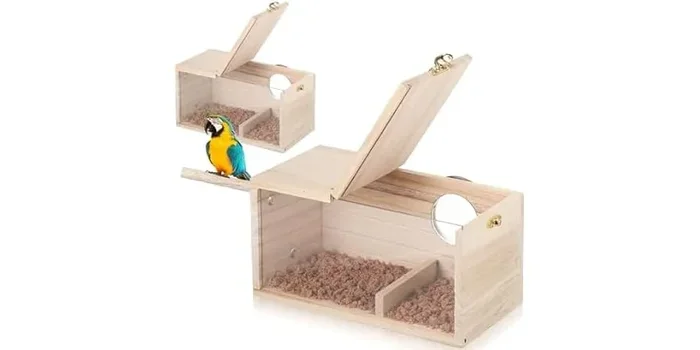
Visual guide about parakeet nesting box
Image source: images-na.ssl-images-amazon.com
Selecting Compatible Partners
Compatibility is everything. In the wild, budgies choose their own mates. In captivity, we choose for them. Look for a pair that already sits side-by-side, preens each other (allopreening), and feeds each other (regurgitation). If they bicker constantly or ignore one another, breeding will be stressful and likely unsuccessful.
Pro Tip: If you are buying birds specifically to breed, buy them from different sources to avoid inbreeding. Inbreeding leads to genetic defects, weak immune systems, and physical deformities like splayed legs or feather cysts.
The Conditioning Diet: Fueling the Factory
Egg production drains a hen’s calcium reserves dangerously fast. If she enters breeding with a deficit, she will pull calcium from her own bones, leading to brittle bones or egg binding. You must build her reserves before she lays.
Switch the pair to a premium pellet base (not just seed) 4-6 weeks prior. Supplement daily with:
- Egg Food: Commercial or homemade (mashed hard-boiled egg with shell, mixed with veggies and breadcrumbs). This provides protein and calcium.
- Dark Leafy Greens: Kale, spinach, broccoli, dandelion greens.
- Cuttlebone and Mineral Block: Always available.
- Calcium Supplement: Liquid calcium in water or powder on soft food (follow vet dosage).
- Sprouted Seeds: Mimics the fresh, nutrient-dense food available in the wild after rains.
Health Checks Are Non-Negotiable
Take both birds to an avian vet for a “pre-breeding wellness exam.” This includes a physical exam, fecal float (parasites), and possibly blood work. You want to rule out Psittacosis (Chlamydia), Polyomavirus, and Beak and Feather Disease (PBFD). Breeding sick birds passes illness to chicks and often kills the hen.
Setting Up the Perfect Breeding Environment
Environment is the trigger. In the Australian outback, budgies breed after rain brings abundant food and long daylight hours. You are simulating that “perfect season” inside your home.
The Breeding Cage: Size Matters
A standard pet cage is too small. You need a dedicated breeding cage, often called a “flight cage” or “breeder box.” Minimum dimensions: 30 inches long x 18 inches wide x 18 inches high. Horizontal space is more important than vertical; they fly horizontally. The cage needs a large front door for easy nest box access and a grate at the bottom to keep birds away from droppings.
The Nest Box: The Heart of the Operation
Do not use a round “lovebird” box or a coconut shell. Parakeets need a wooden box with a concave floor. The concave shape prevents eggs from rolling into corners where they get cold or cracked.
- Dimensions: Roughly 8x8x10 inches (external).
- Entrance Hole: 1.5 to 2 inches diameter.
- Material: Untreated pine or plywood (1/2 inch thick for insulation).
- Perch: A small dowel or stick below the entrance hole helps them land.
- Lid: Hinged or sliding top for inspection (crucial!).
Mount the box on the outside of the cage, high up, with the entrance hole cut into the cage wire. This saves interior space and makes inspections easy without sticking your hand into the cage territory.
Lighting and Temperature: The Seasonal Switch
Parakeets are photoperiodic. Their hormones surge when days get longer. Provide 12 to 14 hours of full-spectrum light daily. Use a timer—consistency is key. If the lights flicker or you forget to turn them on, you can disrupt the cycle.
Maintain a stable temperature between 65°F and 75°F (18°C – 24°C). Avoid drafts. Humidity around 50-60% helps eggs hatch; too dry and the membrane shrinks around the chick (shrink-wrapping), too wet and bacteria thrive.
Privacy and Security
Place the cage in a quiet room, away from high traffic, loud TVs, barking dogs, or staring cats. Cover three sides of the cage with a light sheet or towel to create a “cave” feeling. Stressed birds abandon eggs or pluck chicks.
The Breeding Process: From Courtship to Eggs
Once the box goes up, the real action begins. Understanding the timeline helps you know what is normal and when to worry.
Courtship Rituals
The male will start “serenading” the female—bobbing his head, tapping his beak on hers, and regurgitating food into her mouth. This feeding is practice for feeding chicks. The female will crouch low, wings slightly drooped, tail raised—a clear invitation to mate. You will see the male mount the female frequently over several days.
Egg Laying Timeline
About 7-10 days after successful mating, the hen lays her first egg. She will then lay one egg every other day (every 48 hours). A typical clutch is 4-6 eggs, though 3-8 is the normal range.
Critical: She may not sit tightly (incubate) until the 2nd or 3rd egg is laid. This is normal! It ensures the chicks hatch closer together (asynchronous hatching), reducing the size gap between the oldest and youngest.
Candling: Checking for Life
Around day 7-10 of incubation, you can candle the eggs. In a dark room, hold a bright, cool LED flashlight (phone light works) against the large end of the egg. Look for:
- Clear/Yellow glow: Infertile or very early death.
- Red spiderweb veins: Fertile! Embryo developing.
- Dark mass with air cell: Late stage, chick growing well.
Mark fertile eggs with a pencil (date or number). Remove clear eggs after day 14 to prevent them exploding from bacteria.
The Male’s Role
The cock does not usually incubate (sit on eggs), but he is far from useless. He feeds the hen at the nest box entrance, guards the territory, and practices feeding motions. Once chicks hatch, he becomes the primary food delivery truck, bringing food to the hen who feeds the babies.
Caring for Eggs and Hatchlings
Incubation lasts 18-21 days (usually 18-19). The real work starts when you hear tiny peeps from inside the shell.
Hatch Day: The “Pip” to “Zip”
The chick uses an “egg tooth” (a tiny calcium spike on the beak tip) to break the shell. First comes the internal pip (into the air cell), then the external pip (a tiny hole in the shell), then zipping (cracking a line around the shell). This takes 12-24 hours. Do not help. Interfering usually causes fatal bleeding because blood vessels in the membrane haven’t retracted yet.
The First Week: “Pinkies”
Newborns are naked, blind, and helpless—about the size of a large jellybean. The hen broods them almost constantly. Your job: observe from a distance. Check once a day (when parents are eating) to count heads and ensure crops (the storage pouch at the base of the neck) are full. A full crop looks like a swollen balloon on the right side of the neck.
Growth Explosion: Days 7-21
- Day 7-10: Eyes open. Pin feathers (feather shafts) erupt on wings and back.
- Day 14: Feathers unfurl. They look like tiny, fluffy dinosaurs.
- Day 21: Mostly feathered. Very active, climbing nest box walls.
During this phase, the parents work non-stop. Provide unlimited egg food, sprouts, and millet. The male will be in and out of the box constantly. Keep water pristine—dehydration kills chicks fast.
Band Identification
If you plan to show birds or keep permanent records, apply closed leg bands at day 7-10. The band slides over the foot (toes curled back) and rests on the leg permanently. It must be the correct size (usually 4.0mm or 4.2mm for standard budgies). If the band is too tight, it cuts circulation; too loose, it falls off or gets caught.
Common Challenges and Solutions
Even with perfect prep, things go wrong. Knowing the “red flags” saves lives.
Egg Binding (Dystocia)
The Emergency: Hen straining, tail bobbing, sitting on floor, fluffed up, droppings stuck to vent or no droppings at all. She cannot pass the egg.
Immediate Action: Heat (85-90°F), humidity (steamy bathroom), one drop of olive oil on vent. Call your avian vet immediately. Do not try to squeeze the egg out—you will rupture it inside her. Calcium injection and lubrication by a vet are the only safe fixes.
Prevention: Proper conditioning diet, age >12 months, UVB light for Vitamin D3 synthesis.
Splayed Legs
Chick’s legs stick out sideways, unable to stand. Caused by slippery nest box floor, nutritional deficiency (calcium/manganese), or hen sitting too tight.
Fix: At first sign (day 3-7), use a “hobble”—a tiny loop of vet wrap or makeup sponge connecting the legs at shoulder-width. Change daily. Correct the nest box floor (add pine shavings or a concave insert). It corrects in 3-5 days if caught early.
Parental Neglect or Aggression
Sometimes a hen refuses to feed the youngest, or a cock attacks chicks. First-time parents are the worst offenders.
- Fostering: Move eggs/chicks to another breeding pair with similar-aged young. Best option.
- Hand-Feeding: Last resort. Requires formula, syringes, brooder (95°F dropping gradually), feeding every 2-3 hours (even night for newborns). High mortality risk for beginners.
Infertility and Dead-in-Shell
Clear eggs at day 14 = infertility (diet, age, compatibility, genetics). Chicks dying at day 17-19 = humidity issues, genetic defects, or infection. Keep a breeding log: dates, pair ID, egg count, hatch rate, issues. Patterns reveal solutions.
Weaning and Fledging: The Final Stretch
Around day 30-35, chicks “fledge”—they launch out of the nest box. They crash-land. They climb curtains. They are clumsy, fearless, and hungry.
The Weaning Process
Weaning is not an event; it is a process lasting 2-3 weeks post-fledge. Parents continue feeding while chicks explore solid food. Offer a “weaning buffet” on the cage floor (low dishes):
- Millet spray (easy win)
- Chopped hard-boiled egg with shell
- Soft pellets soaked in warm water
- Finely chopped veggies (corn, peas, carrot, broccoli)
- Small seed mix
Watch for “independent eating”—chicks picking up food, manipulating it, swallowing. Once a chick eats consistently on its own for 3-5 days and maintains weight, it is weaned. Never force-wean by removing parents early. This causes behavioral issues and regression.
Socialization: The “Pet Quality” Factor
If you want tame pets, handle chicks daily from day 10-14 onward. 5-10 minutes per chick. Talk softly, stroke gently, offer millet from fingers. This “co-parenting” creates birds comfortable with humans but still bird-savvy. Unhandled parent-raised birds make excellent aviary/breeding birds but poor pets.
Separation and New Homes
Chicks should stay with parents until 8 weeks minimum (10-12 weeks ideal). They learn “bird manners”—how to eat, bathe, preen, and communicate. Separate sexes at 3-4 months to prevent sibling mating. Screen buyers carefully. Provide a care sheet, hatch date, band number, and diet history.
Conclusion
Breeding parakeets is a journey of patience, observation, and humility. You provide the stage—the nutrition, the nest, the light, the safety—but the birds write the play. There will be sleepless nights candling eggs, moments of panic over a quiet nest, and the indescribable joy of hearing that first tiny “peep.”
Remember: every expert breeder started exactly where you are now, wondering if they were doing it right. Trust the process, trust your birds, and never stop learning. Join a local bird club, find a mentor, and keep that avian vet number handy. The world needs more dedicated, ethical breeders who prioritize the health and happiness of these remarkable little parrots over profit or ego.
When that first fledgling lands on your finger, looking at you with bright, curious eyes, you will know every early morning and late-night check was worth it. Welcome to the flock.
Frequently Asked Questions
At what age can parakeets start breeding?
Parakeets reach sexual maturity around 4-6 months, but they should not breed until they are at least 12 months old, ideally 18 months. Breeding too early causes egg binding in hens and poor parenting instincts in both sexes.
How many eggs do parakeets usually lay?
A typical clutch size is 4 to 6 eggs, though it can range from 3 to 8. The hen lays one egg every other day (approximately 48 hours apart) and usually starts incubating tightly after the second or third egg.
How long does it take for parakeet eggs to hatch?
Incubation lasts 18 to 21 days, with 18-19 days being most common. Chicks hatch asynchronously (every other day) in the order the eggs were laid, resulting in noticeable size differences among siblings.
What should I feed breeding parakeets?
Breeding pairs need a high-protein, high-calcium diet. Provide a quality pellet base supplemented daily with egg food (mashed boiled egg with shell), dark leafy greens, sprouted seeds, cuttlebone, and a liquid calcium supplement. Fresh water must be available constantly.
When can I handle the baby parakeets?
You can begin brief, gentle handling sessions around day 10-14 when their eyes are open and pin feathers are emerging. Daily 5-10 minute sessions help socialize them for pet homes. Always wash hands thoroughly before and after.
What is egg binding and how do I treat it?
Egg binding is a life-threatening emergency where a hen cannot pass an egg. Symptoms include straining, tail bobbing, sitting fluffed on the cage floor, and distress. Provide immediate heat (85-90°F) and humidity, then contact an avian veterinarian immediately—do not attempt to extract the egg yourself.