
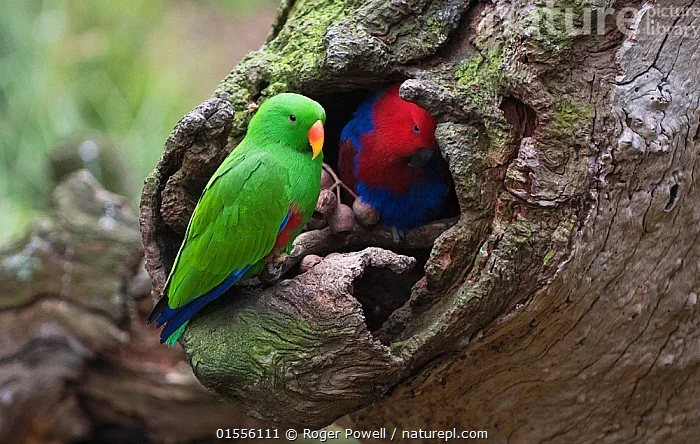
Featured image for parrot nesting pair breeding
Image source: nplimages.infradoxxs.com
Parrots typically breed once a year, but the exact frequency depends on species, climate, and care. Small parrots like budgies may produce several clutches annually, while large macaws often raise only one brood. Understanding light cycles, diet, and health helps owners support natural breeding rhythms.
Parrots are fascinating birds, and many people wonder how often do parrots breed. The short answer is that most parrots breed once a year, but the exact timing can shift based on species, environment, and health. In the wild, seasonal changes trigger hormonal cycles that line up with food abundance. In captivity, owners can influence those cycles with light, diet, and nesting options.
Did you know that over 70 percent of parrot species follow a single annual breeding season? This statistic comes from long‑term field studies across South America, Africa, and Australia. Understanding the basic rhythm helps you plan care, whether you are a hobbyist or a professional breeder. When you ask how often do parrots breed, remember that the answer varies but the underlying drivers are the same.
Key Takeaways
- Most parrots breed once per year: Seasonal light changes trigger a single annual cycle for the majority of species.
- Small parrots can breed multiple times: Budgies and lovebirds often produce three to four clutches when conditions are ideal.
- Light cycle is the master switch: Consistent 12‑14 hour daylight periods drive hormonal readiness.
- Nutrition directly affects clutch size: Calcium, vitamin D, and protein are essential for strong eggs and healthy chicks.
- Wild vs. captive patterns differ: Wild birds follow natural food peaks; captive birds can be encouraged to breed more often with managed environments.
- Behavioral cues signal readiness: Increased vocalization, mutual preening, and nest‑box exploration indicate a pair is prepared.
- Responsible breeding requires health monitoring: Weekly weight checks and veterinary exams prevent complications like egg binding.
📑 Table of Contents
Understanding Parrot Reproductive Cycles
Seasonal Breeding Triggers
Light length is the primary cue that tells a parrot when to start the breeding process. As days lengthen in spring, the brain releases hormones that prepare the body for egg production. This natural timer works like a calendar alarm, signaling that conditions are right for raising chicks. When you ask how often do parrots breed, remember that the light cycle is the master switch. A consistent photoperiod of 12 to 14 hours of light each day mimics the natural spring signal and keeps the cycle regular.
Hormonal Changes
Once the photoperiod reaches a threshold, the pituitary gland secretes luteinizing hormone and follicle‑stimulating hormone. These chemicals drive ovary development in females and testis enlargement in males. The surge is similar to a runner’s adrenaline spike before a race. If the light cycle is disrupted, the hormonal wave can be delayed or weakened, which directly affects how often do parrots breed in a given year. Stress, poor diet, or sudden temperature shifts can also blunt this hormonal response.
Internal Clocks and Circadian Rhythms
Parrots possess an internal circadian clock that measures day length with remarkable precision. Think of it like a built‑in calendar that does not need a wall clock. Research shows that even blind parrots can maintain breeding cycles if they receive consistent light cues through the skin. This fact underscores why artificial lighting must be stable; irregular lighting confuses the clock and reduces the chance of a successful clutch.
Species‑Specific Breeding Frequency
Small Parrots (Budgies, Lovebirds)
Budgerigars and lovebirds are prolific breeders. In optimal conditions they can produce three to four clutches per year. Each clutch usually contains four to six eggs. Because their metabolic rate is high, they recover quickly between cycles. Owners who ask how often do parrots breed for these species should expect multiple breeding attempts if nutrition and daylight are managed well. A pair of budgies can raise up to 24 chicks in a single year when everything aligns.
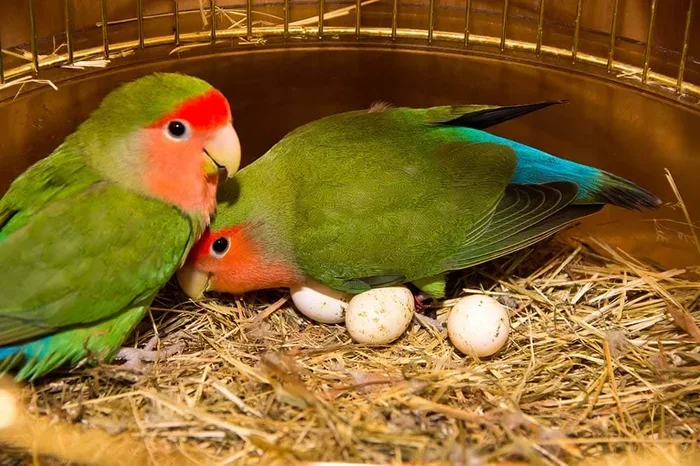
Visual guide about parrot nesting pair breeding
Image source: pangovet.com
Medium Parrots (Conures, Cockatiels)
Conures and cockatiels typically raise one to two clutches annually. Their breeding season aligns with the rainy season in their native habitats, when food is plentiful. A well‑balanced diet rich in calcium and vitamin D supports strong eggshells. If you wonder how often do parrots breed in this group, plan for a primary spring clutch and a possible late‑summer clutch. Over‑breeding can deplete the female’s calcium reserves, leading to weak bones.
Large Parrots (Macaws, African Greys)
Large parrots invest heavily in each offspring. Macaws and African greys usually breed once a year, sometimes skipping a year if conditions are poor. Their long incubation periods (28‑30 days) and extended chick dependency (up to 12 weeks) limit the number of cycles. When you consider how often do parrots breed for these giants, patience is essential. A macaw pair may spend two years raising a single chick to independence.
Rare and Endangered Species
Some rare parrots, such as the Spix’s macaw, have extremely low breeding rates in the wild — often less than one successful clutch per decade. Conservation programs use controlled lighting, diet, and artificial incubation to boost how often do parrots breed in captivity. These efforts have increased hatch rates by up to 40 percent in some programs, showing that management can overcome natural limits.
Environmental Factors That Influence How Often Do Parrots Breed
Light Cycle and Photoperiod
Artificial lighting can mimic natural sunrise and sunset. Providing 12‑14 hours of light followed by 10‑12 hours of darkness encourages regular cycles. Sudden changes, like a weekend of constant light, can confuse the internal clock and reduce breeding success. Consistent photoperiod is the most reliable lever for controlling how often do parrots breed in captivity. Many breeders use timers to guarantee the same schedule every day of the year.
Temperature and Humidity
Most parrots prefer a stable temperature between 70‑80°F (21‑27°C) and moderate humidity around 50‑60 percent. Extreme heat or cold stresses the birds and can halt egg laying. Think of temperature like a thermostat for a bakery; if the oven fluctuates, the cake (or egg) won’t rise properly. A sudden drop below 60°F can cause a female to abandon her clutch, while prolonged heat above 90°F reduces sperm viability in males.
Nutrition and Diet
A diet high in pellets, fresh vegetables, fruits, and a calcium supplement fuels reproductive health. Protein is crucial during egg formation, while vitamin A supports mucosal tissues. Malnutrition is a leading cause of infertile eggs. If you are tracking how often do parrots breed, evaluate the diet first. Studies show that adding a calcium‑rich cuttlebone and a vitamin D3 supplement can increase clutch size by 15 percent in cockatiels.
Social Environment and Pair Bonding
Parrots are highly social; a stable pair bond is a prerequisite for breeding. Birds housed alone or with incompatible partners rarely enter breeding condition. Providing a compatible mate, visual barriers from other pairs, and enrichment toys reduces stress. A calm social setting acts like a green light for the hormonal cascade that drives how often do parrots breed.
Captive vs Wild Breeding Patterns
Wild Breeding Seasons
In the wild, parrots synchronize breeding with seasonal food peaks. For example, Amazonian macaws nest during the dry season when fruit is abundant. This timing maximizes chick survival. Field researchers note that wild pairs rarely attempt a second clutch because the energy cost is too high. The natural answer to how often do parrots breed in the wild is usually once per year, dictated by the ecosystem calendar.
Captive Breeding Management
In aviaries, managers can extend the breeding window by adjusting light and diet. Some facilities achieve two clutches a year from species that normally produce one. However, pushing birds beyond their natural rhythm can lead to health issues like egg binding. Responsible breeders monitor weight, feather condition, and behavior to decide how often do parrots breed under their care. A balanced approach respects the bird’s physiology while meeting program goals.
Reintroduction Programs
Conservation projects often breed parrots in captivity for release. These programs carefully control how often do parrots breed to produce enough juveniles without exhausting the adults. They use a “rest year” after each clutch, allowing the female to replenish calcium stores. This strategy has helped increase wild populations of the Puerto Rican amazon by 25 percent over a decade.
Signs Your Parrot Is Ready to Breed
Behavioral Cues
Increased vocalizations, mutual preening, and nest‑box exploration signal readiness. Males may perform courtship dances, while females spend more time in the nest. These actions are the bird’s way of saying the season has arrived. If you notice these behaviors, you can be confident that the pair is entering a breeding window.
Physical Changes
Females develop a broader abdomen and a visible brood patch — a feather‑less area that transfers heat to eggs. Males may show brighter plumage or a slight swelling of the cloaca. Observing these changes helps you anticipate the next clutch. A quick visual check each week can tell you whether the cycle is on track.
Egg Laying Timeline
Once the female begins laying, she typically produces one egg every other day until the clutch is complete. Incubation starts after the second or third egg. Knowing this timeline lets you prepare the nest box, adjust humidity, and schedule veterinary checks. It also answers the practical side of how often do parrots breed in your specific setup.
Tips for Responsible Breeding
Pair Selection
Choose unrelated, healthy birds of compatible size and temperament. Genetic diversity reduces the risk of inherited diseases. A veterinary check before pairing ensures both birds are free of infections that could affect fertility. A well‑matched pair is the foundation for a successful breeding season.
Nest Box Setup
Provide a sturdy wooden box with an entrance hole sized for the species. Line the floor with untreated wood shavings. Place the box in a quiet corner, away from drafts and heavy traffic. A well‑designed nest mimics a natural tree cavity and encourages successful incubation. Adding a small perch inside helps the female enter and exit comfortably.
Health Monitoring
Weigh the pair weekly. Sudden weight loss can indicate egg binding or illness. Keep a log of egg laying dates, incubation start, and hatch rates. This data reveals patterns and helps you answer how often do parrots breed in your specific setup. Regular fecal exams and blood work catch hidden problems early.
Post‑Breeding Care
After chicks fledge, give the parents a rest period of at least three months before allowing another clutch. Provide extra calcium, fresh greens, and a quiet environment during recovery. This rest mirrors the natural “off‑season” and prevents chronic depletion. Responsible breeders prioritize long‑term health over maximum output.
Parrot breeding is a dance between biology and environment. Most species follow a single annual cycle, but small parrots can breed multiple times when conditions are ideal. Light, temperature, diet, and health all act as conductors of this rhythm. By respecting the natural timetable and providing optimal care, you support healthy chicks and happy parents. Whether you are a curious owner or a dedicated breeder, knowing how often do parrots breed empowers you to make informed decisions for the birds you love.
Frequently Asked Questions
How often do parrots breed in the wild?
Most wild parrots breed once a year, timing their clutch with seasonal food abundance. Some small species may attempt a second clutch if conditions are exceptionally favorable.
Can pet parrots breed more than once a year?
Yes, small pet parrots like budgies and lovebirds can produce three to four clutches annually when light, diet, and nesting conditions are carefully managed.
What triggers a parrot to start breeding?
Increasing day length is the primary trigger. The longer photoperiod stimulates hormonal changes that prepare the bird for egg laying.
Do all parrot species have the same breeding frequency?
No. Large parrots such as macaws usually breed once a year, while small parrots can breed several times a year under optimal conditions.
How can I tell if my parrot pair is ready to breed?
Look for increased vocalizations, mutual preening, nest‑box exploration, a broader abdomen in the female, and a visible brood patch.
Is it safe to encourage multiple clutches in captivity?
Multiple clutches are possible for some species, but they require careful nutrition, rest periods, and veterinary monitoring to avoid health problems like egg binding.