
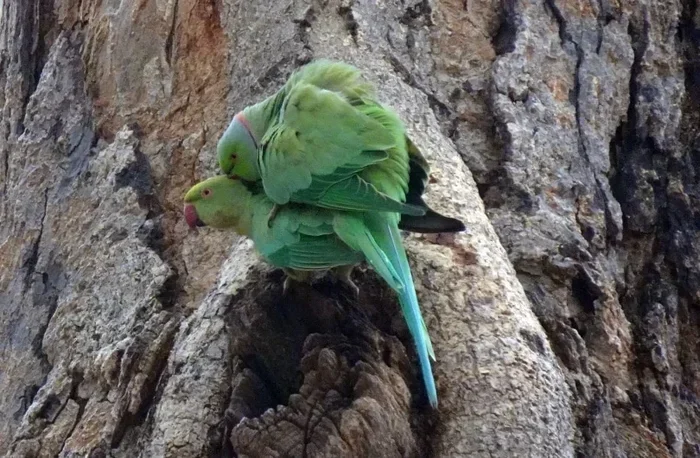
Featured image for parrots mating courtship ritual
Image source: opticsmag.com
Parrot breeding is a fascinating process involving complex courtship, specific nesting needs, and dedicated parental care. Most species form lifelong monogamous bonds and require specific environmental triggers like daylight length and diet changes to initiate breeding. Understanding these natural behaviors is essential for anyone interested in avian reproduction or responsible pet ownership.
Have you ever wondered how do parrots breed in the wild or in your home? It is a journey filled with loud duets, careful nest preparation, and intense teamwork. Unlike chickens or ducks, parrots do not simply lay eggs and walk away. They invest months into a single clutch. They choose partners carefully. They guard their young fiercely. This guide walks you through every step. We cover the biology, the behavior, and the practical needs. Whether you are a curious owner or an aspiring breeder, you will find clear answers here.
Parrots are unique among birds. They are zygodactyl, meaning two toes point forward and two back. This helps them climb deep into tree hollows. They are also highly intelligent. Their breeding behavior reflects this intelligence. It is not purely instinct; it involves learning and social dynamics. Did you know? Large macaws can take up to five years to reach sexual maturity. Small budgies might be ready in less than a year. Size dictates the timeline. Let us dive into the details.
Key Takeaways
- Monogamous Bonds: Most parrots mate for life, forming strong pair bonds long before breeding begins.
- Seasonal Triggers: Breeding is usually triggered by increasing daylight hours, warmer temperatures, and abundant food.
- Cavity Nesters: Parrots do not build open nests; they rely on tree hollows or nest boxes for security.
- Shared Duties: Females typically incubate eggs while males provide food and guard the nest entrance.
- Altricial Chicks: Hatchlings are born blind, naked, and helpless, requiring weeks of intensive parental feeding.
- Diet is Critical: Breeding pairs need high calcium, protein, and fat levels to produce healthy eggs and chicks.
- Responsibility Matters: Breeding parrots requires veterinary oversight, genetic knowledge, and homes for offspring.
📑 Table of Contents
The Basics of Parrot Reproduction
Before we look at the steps, we must understand the players. How do parrots breed successfully? It starts with the right pair. Most parrots are socially monogamous. They pick one partner and stay together for life. This bond is the foundation of breeding. Without a strong bond, eggs may be infertile or abandoned.
Who Breeds: Sexual Maturity and Pair Bonds
Age matters immensely. A cockatiel might breed at one year old. An African Grey usually waits until three to five years. Large cockatoos and macaws often wait until they are seven to ten years old. Rushing this leads to health problems. Egg binding is a real risk for young hens.
Pair bonding happens before breeding. You will see mutual preening. This is called allopreening. They feed each other regurgitated food. They sleep touching. They defend each other. If you put two strangers in a cage, they rarely breed immediately. They need a “dating” period. Think of it like a human engagement. It builds trust.
Anatomy: The Cloacal Kiss
Birds do not have external reproductive organs like mammals. Both sexes have a cloaca. This is a single opening for urinary, digestive, and reproductive tracts. During mating, the male mounts the female. He twists his tail under hers. Their cloacas touch briefly. This is the “cloacal kiss.” Sperm transfers in a split second. It looks awkward. It is very fast. They may repeat this many times a day during the season.
Did You Know? Sperm Storage
Did you know? Female parrots can store sperm in specialized tubules in their oviduct for weeks. This means a single mating session can fertilize a whole clutch of eggs laid days apart. It is nature’s insurance policy. If the male disappears, she can still finish the job.
When and Where: Breeding Seasons and Nesting Sites
Timing and location are everything. How do parrots breed in sync with nature? They read the calendar using light and weather. They pick real estate with high security standards.
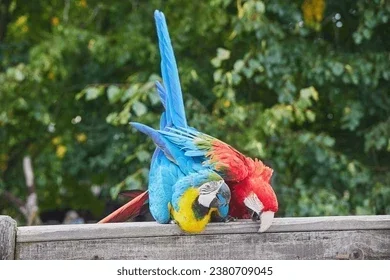
Visual guide about parrots mating courtship ritual
Image source: shutterstock.com
The Calendar: Photoperiod and Seasons
Most parrots are seasonal breeders. They breed when days get longer. This is photoperiodism. In the wild, spring brings longer days. It brings rain. Rain brings fruit, seeds, and insects. Food abundance signals safety to raise young. In the southern hemisphere, seasons are flipped. Australian parrots breed in September to December. South American parrots often breed in the wet season.
Indoor birds get confused. Artificial lights extend the “day” year-round. This can trigger chronic egg laying. It exhausts the hen. Breeders mimic nature. They use timers. They give 10-12 hours of darkness. They increase “daylight” slowly over weeks to simulate spring.
The Real Estate: Cavity Nesting
Parrots are obligate cavity nesters. They cannot build a cup nest in a branch. They need a hole. In the wild, they use old woodpecker holes. They use rotted tree limbs. They use termite mounds. Some use cliff crevices. The entrance is tight. The chamber is deep. Dark. Humid. Safe.
In captivity, we provide nest boxes. A vertical box mimics a deep hollow. A horizontal “boot box” mimics a sideways log. Size matters. A macaw box is huge. A lovebird box is tiny. The entrance hole must be just big enough for the bird. Too big invites predators. Too small traps the bird.
Analogy: Think of the nest box like a panic room. It has one heavy door. Thick walls. No windows. The female stays inside for weeks. She needs to feel invisible.
Substrate: The Floor Matters
You cannot leave the box floor bare. Eggs roll. They crack. Chicks get splayed legs on smooth wood. Breeders use pine shavings. Or peat moss. Or a mix. It must be non-toxic. Dust-free. It holds heat. It absorbs moisture. The hen arranges it into a bowl shape. She creates the perfect cradle.
Courtship Rituals: How Parrots Choose a Mate
The dance before the egg. How do parrots breed if they don’t like each other? They don’t. Courtship is the interview process. It is loud. It is visual. It is tactile.
Visual Displays: Flashing Colors and Pupils
Parrots see ultraviolet light. Their feathers reflect UV. A male flashes his brightest feathers. He raises his crest. He dilates his pupils rapidly. This is “eye pinning.” It shows excitement. He struts. He bows. He hangs upside down. He shows off his agility. “Look at me. I am strong. I am healthy.”
Vocal Duets: The Love Songs
Bonded pairs develop unique contact calls. They duet. It sounds like chaos to us. To them, it is a language. “I am here. We are us.” Unbonded birds scream for attention. Bonded birds whisper sweet nothings. Soft chatter. Mutters. It strengthens the pair bond. It synchronizes their hormones.
Allofeeding: The Ultimate Trust Test
The male regurgitates food for the female. He bobs his head. He brings up partially digested seed. He places it in her beak. This proves he can provide. It proves he is not a threat. It feeds her while she cannot leave the nest later. It is the parrot equivalent of bringing home a paycheck and cooking dinner.
Same-Sex Pairs and Infertility
Two females often bond. They go through all motions. They mate. They lay eggs. The eggs are infertile. Two males bond too. No eggs. DNA sexing is vital before setting up a breeding pair. Visual sexing works for some species (Eclectus, Budgies). Most need a blood test or feather test.
The Nesting Process: Eggs, Incubation, and Hatching
The core event. How do parrots breed physically? The female does the heavy lifting. The male runs the supply line.
Egg Laying: The Clutch
Hens lay every other day. A clutch is usually 2 to 8 eggs. Small birds lay more. Large birds lay fewer. Budgies: 4-6. Cockatiels: 4-5. Amazons: 3-4. Macaws: 2-3. The eggs are white. Round or oval. They glow in the dark nest. The hen often waits until the second or third egg to start incubating full time. This synchronizes hatching. Chicks hatch close together. Less size difference. Less competition.
Incubation: The Warmth Engine
Incubation lasts 18 to 30 days. Small eggs hatch fast. Large eggs take a month. The hen sits tight. She develops a brood patch. This is a featherless spot on her belly. Blood vessels swell there. Skin touches eggs. Direct heat transfer. She turns eggs hourly. She uses her beak and feet. Turning prevents the embryo sticking to the shell membrane. It ensures even temperature.
The male rarely incubates. He feeds her. He stands guard. He screams at intruders. He brings water. He brings high-fat seeds. He brings calcium supplements. If the male slacks off, the hen leaves the nest. Eggs chill. Embryos die. Teamwork is non-negotiable.
Candling: Checking Progress
Breeders candle eggs at 7-10 days. A bright light in a dark room. You see veins. A dark blob (embryo). Movement. Clear eggs are infertile. “Blood rings” mean early death. Removing dead eggs prevents bacteria. It gives the hen more room. Did you know? Parrot eggs lose about 15% of their weight through water loss during incubation. This creates the air cell the chick needs to breathe before pipping.
Hatching: The Pip and Zip
Day 19 (for a cockatiel). The chick pushes. An egg tooth on the beak cracks the shell. This is the “pip.” A tiny hole. Air enters. Lungs inflate. The chick rests. Absorbs yolk sac. Then “zipping.” It cracks a ring around the shell. Pushes the cap off. It is wet. Exhausted. Ugly. Pink. Blind. The hen eats the shell. Calcium recycle. She eats the membrane. Clean up.
Raising Chicks: From Hatchling to Fledgling
The marathon continues. How do parrots breed successfully? By feeding machines that double weight daily.
The First Week: Blind and Naked
Hatchlings are altricial. Helpless. They cannot regulate temperature. The hen broods them constantly. She only leaves to defecate or eat. The male feeds her. She feeds them. Crop milk? No. Parrots do not make crop milk like pigeons. They regurgitate a thin slurry. Seed mush. Enzymes. Antibodies. It is “parrot formula” made fresh.
Chicks peep. They lift heads. They beg. The hen pumps food into the crop. A muscular pouch at the base of the neck. You see it bulge. Transparent skin shows food inside. Analogy: The crop is a lunchbox. The hen packs it. The chick digests it slowly over hours.
Pin Feathers and Eyes Opening
Day 7-10. Eyes open. Pin feathers erupt. They look like porcupine quills. Sheaths protect growing feathers. The hen preens them open. Dust flies. Dander everywhere. Chicks get loud. “Feed me!” screams. The male enters the box now. He feeds directly. Two parents. Double shifts.
Weaning: The Long Goodbye
Fledging is leaving the box. 5 weeks for budgies. 12 weeks for macaws. They climb out. Crash land. Flutter. Parents still feed them. Weaning is gradual. They explore solid food. Millet spray. Pellets. Veggies. Parents show them. “Eat this.” They refuse formula. Crops stay empty overnight. Independence day arrives. Did you know? In the wild, fledglings stay with parents for months. They learn flock language. They learn foraging sites. They learn predator awareness. Captive birds often miss this “university.”
Hand-Feeding vs. Parent-Raised
Some breeders pull chicks at 2-3 weeks. Hand-feed syringe formula. This makes “tame” pets. It is risky. Aspiration pneumonia. Crop burns. Stunted growth. Behavioral issues later. Parent-raised birds are healthier. Co-parenting is best. Handle chicks daily. Leave feeding to parents. Best of both worlds.
Common Challenges and Responsible Breeding Practices
Breeding is not a hobby. It is a liability. How do parrots breed safely? With knowledge, money, and ethics.
Health Risks: The Hen’s Burden
Egg binding kills. The egg gets stuck. Calcium deficiency. Obesity. Stress. Large eggs. It is an emergency. Vet needed now. Surgery sometimes. Chronic egg laying depletes bones. Osteoporosis. Fractures happen. Prolapse. Cloaca pushes out. Infection follows. Breeding shortens lifespan if managed poorly.
Genetics: Avoiding Inbreeding
Related birds produce weak chicks. Deformities. Immune failure. Short lives. Keep pedigrees. Use studbooks. DNA test for relatedness. Hybridization? Controversial. Hybrid macaws are pretty. But they muddy gene pools. Pure species conservation matters. Know your lines.
Environment: Stress Kills Fertility
Noise. Dogs. Kids. Construction. Flashing lights. Wrong diet. Cold drafts. All stop breeding. Or cause abandonment. Hens smash eggs. Males pluck hens. Chicks neglected. Privacy is paramount. Visual barriers between pairs. Solid walls. White noise machines. Routine is religion. Same time. Same food. Same person.
Diet: The Breeding Engine
Maintenance diet fails breeders. They need 20% protein. High fat. Calcium:Phosphorus ratio 2:1. Cuttle bone is not enough. Liquid calcium. Vitamin D3 (sunlight or UV lamp). Sprouted seeds. Egg food. Fresh chop. Nuts for macaws. Pellets as base. Supplements as directed by avian vet. Water changed twice daily. Bacteria grows fast in warm water.
The Market Reality: Homes for Babies
Before the first egg, you need homes. Parrots live 20-80 years. Rescue overflows. Shelters euthanize. Do not breed “just once.” Do not breed to “let kids see miracle.” Breed to improve species. Breed for conservation. Breed with a waiting list. Contracts. Return clauses. Mentorship for buyers. Did you know? There are more pet parrots in homes than in the wild for several endangered species. Captive breeding can save species. Irresponsible breeding floods the market.
Legal and Ethical Checklist
- Permits? CITES Appendix I species need federal permits (e.g., Hyacinth Macaw).
- State laws? Some ban Quakers. Some limit numbers.
- Vet relationship? Established before breeding.
- Incubator? Brooder? Backup power? For emergencies.
- Time off work? Hand feeding is every 2 hours. Night included.
- Money? Vet bills hit thousands fast.
Conclusion
So, how do parrots breed? It is a symphony. Light triggers hormones. Bonds trigger behavior. Cavities trigger safety. Teamwork triggers survival. From the first regurgitated seed to the first clumsy flight, it is intense. It is beautiful. It is exhausting.
If you are an owner, respect the cycle. Manage the light. Manage the diet. Prevent chronic laying if not breeding. If you are a breeder, honor the responsibility. Every chick is a 50-year commitment. Every pair deserves privacy and nutrition. Every species deserves genetic integrity. Parrots are not disposable. They are dynamic, emotional, intelligent beings. Their reproduction is a miracle of evolution. Treat it with the awe and care it deserves.
Frequently Asked Questions
At what age do parrots start breeding?
Small species like budgies and cockatiels can breed at 6-12 months, but it is healthier to wait until 18 months. Medium parrots (conures, African Greys) usually start at 3-5 years. Large macaws and cockatoos often wait until 7-10 years old.
How many eggs do parrots lay at once?
Clutch size varies by species. Budgies lay 4-8 eggs. Cockatiels lay 4-6. Amazon parrots lay 3-4. Large macaws typically lay only 2-3 eggs per clutch.
Do male parrots sit on eggs?
In most parrot species, the female does almost all the incubation. The male’s job is to feed the female, guard the nest entrance, and defend the territory. Some species, like the Kakapo or certain lorikeets, share incubation duties more equally.
How long does it take for parrot eggs to hatch?
Incubation periods range from 18 to 30 days depending on the species. Small parrots (budgies, lovebirds) hatch in 18-21 days. Medium parrots take 24-26 days. Large macaws and cockatoos take 26-30 days.
Can two female parrots lay eggs?
Yes, two bonded females will often go through courtship, mating behaviors, and lay eggs. However, these eggs will be infertile because no sperm is present. This is common in cockatiels, lovebirds, and budgies.
What should I feed a breeding pair of parrots?
Breeding pairs need a high-protein, high-calcium diet. Offer a quality pellet base, sprouted seeds, egg food, dark leafy greens, and a calcium supplement with Vitamin D3. Fresh water must be available constantly.