
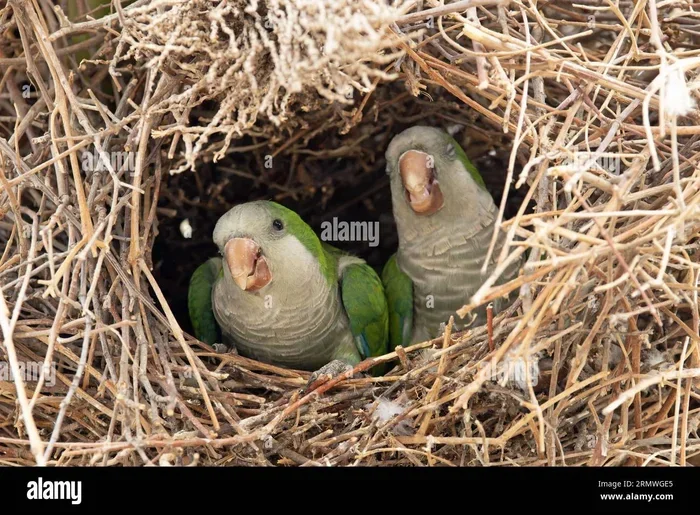
Featured image for parakeet breeding pair nest
Image source: c8.alamy.com
Yes, you can breed parakeets when you provide the right pair, a safe nest box, proper nutrition, and a calm environment. This guide walks you through every step from courtship to fledgling care.
Breeding parakeets can be a rewarding hobby, but it asks for planning and patience. Many new owners ask, can you breed parakeets at home? The short answer is yes, provided you meet the birds’ physical and emotional needs. This article covers everything you need to know, from choosing a compatible pair to raising healthy chicks.
Think of breeding like setting up a tiny apartment for a young couple. The space must be safe, the food nutritious, and the atmosphere calm. When those basics are in place, nature usually takes over. Below you will find a step‑by‑step roadmap that follows the natural timeline of parakeet reproduction.
Key Takeaways
- Pair Selection: Choose a healthy, unrelated male and female that are at least 12 months old.
- Housing: Provide a spacious cage with a secure nest box and plenty of perches.
- Diet: Feed a balanced mix of pellets, fresh vegetables, and calcium supplements.
- Incubation: Expect 18‑21 days of incubation; both parents usually share duties.
- Chick Care: Monitor weight daily and offer soft foods after hatching.
- Health Checks: Schedule avian vet visits before breeding and after chicks fledge.
- Legal Rules: Check local permits; some areas restrict breeding of certain parakeet species.
📑 Table of Contents
Understanding Parakeet Biology
Species Overview
Parakeets, also called budgerigars or budgies, belong to the genus Melopsittacus. They are small, social parrots native to Australia. In the wild they live in large flocks, which means they thrive on interaction. A single bird can become lonely, so a pair or small group is ideal for breeding.
Sexual Maturity
Most parakeets reach sexual maturity between 6 and 12 months. However, breeding too early can stress the female and reduce hatch rates. Waiting until both birds are at least 12 months old gives them stronger bones and a more reliable hormone cycle. Did you know? Female parakeets can store sperm for up to two weeks, allowing fertilization even if mating occurs days before egg laying.
Preparing for Breeding
Choosing a Pair
Select a male and female that are unrelated to avoid genetic defects. Look for bright eyes, smooth feathers, and active behavior. A healthy pair will preen each other and share food. If you are unsure about sex, a veterinarian can perform a DNA test using a feather or blood sample.
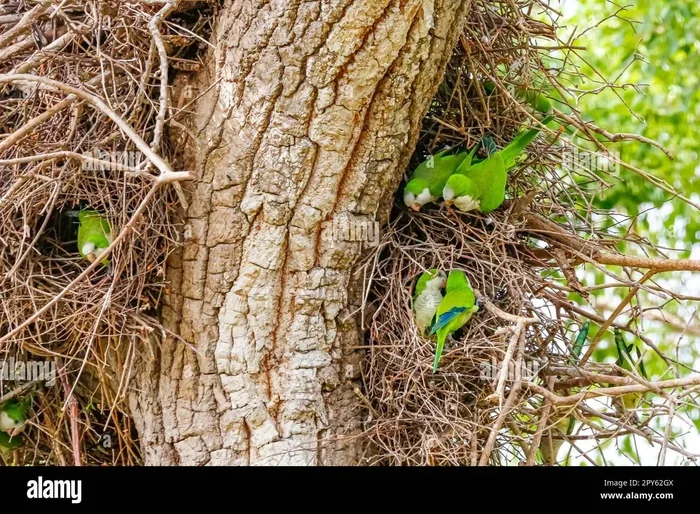
Visual guide about parakeet breeding pair nest
Image source: c8.alamy.com
Housing and Environment
A breeding cage should be at least 30 inches long, 18 inches wide, and 18 inches high. Add a wooden nest box measuring roughly 12 × 12 × 12 inches with an entrance hole of 2 inches. Place the box high in the cage, away from drafts. Provide multiple natural‑wood perches of varying diameters to exercise feet. Keep the room temperature between 70‑75 °F (21‑24 °C) and maintain a 12‑hour light cycle to mimic natural day length.
Nutrition
Nutrition is the foundation of successful breeding. Offer a high‑quality pellet diet as the base (about 70 % of intake). Supplement with fresh vegetables such as kale, carrots, and broccoli daily. Add a calcium source like cuttlebone or a mineral block. During egg laying, increase protein with boiled egg or a commercial egg‑food mix. Fresh water must be changed twice a day.
The Breeding Process
Courtship Behaviors
When the pair is ready, the male will sing, bob his head, and feed the female regurgitated food. The female may crouch and raise her tail, signaling receptivity. These rituals can last several days. Observe quietly; excessive handling can interrupt the bond.
Egg Laying and Incubation
The female typically lays one egg every other day until the clutch reaches 4‑6 eggs. She begins incubation after the second or third egg. Both parents share incubation duties, but the female spends more time on the nest. The incubation period lasts 18‑21 days. Did you know? Parakeet eggs are white and about the size of a jellybean.
Hatching and Chick Care
Chicks hatch blind, naked, and completely dependent. The parents feed them a nutrient‑rich “crop milk” for the first few days. By day 10, pin feathers appear. At 3‑4 weeks the chicks start exploring the cage floor. Provide a shallow dish of softened pellets and mashed vegetables for the fledglings. Weigh each chick daily; a healthy gain is 10‑15 % of body weight per day.
Common Challenges and Solutions
Infertility
If eggs are clear after 10 days of incubation, they are likely infertile. Causes include poor diet, age mismatch, or stress. Review nutrition, ensure the pair is compatible, and reduce disturbances around the cage.
Egg Binding
Egg binding occurs when a female cannot pass an egg. Signs include straining, fluffed feathers, and lethargy. This is an emergency. Warm the bird gently, offer a drop of calcium syrup, and contact an avian veterinarian immediately.
Aggression
Sometimes the male becomes overly territorial, especially after chicks hatch. Provide extra perches and a second feeding station to reduce competition. If aggression persists, consider a temporary divider while still allowing visual contact.
Legal and Ethical Considerations
Permits and Regulations
In many regions, breeding native or exotic birds requires a permit. Check with your local wildlife agency or department of agriculture. Some municipalities limit the number of birds per household. Keeping records of hatch dates, parent IDs, and health checks helps demonstrate responsible ownership.
Responsible Ownership
Breeding should never be done solely for profit. Overproduction leads to unwanted birds and strain on rescue organizations. Plan for the future of each chick—whether you keep them, adopt them out to vetted homes, or work with a reputable avian rescue. Always prioritize the welfare of the parents and offspring over quantity.
Tips for First‑Time Breeders
Record Keeping
Maintain a simple logbook. Note the date of pairing, egg laying, hatch dates, weight measurements, and any veterinary visits. This data reveals patterns and helps you improve each breeding season.
Veterinary Support
Establish a relationship with an avian vet before the first egg appears. A pre‑breeding health screen can catch hidden infections. Post‑hatch check‑ups ensure chicks are growing correctly and parents remain healthy.
Patience and Observation
Nature follows its own clock. Some pairs breed quickly; others need several cycles. Watch for subtle cues—changes in vocalization, feeding frequency, or nest box activity. Intervene only when a clear problem arises. Your calm presence is the best support you can give.
Breeding parakeets is a journey of learning and wonder. By providing a safe home, balanced nutrition, and attentive care, you give your birds the best chance to raise strong, vibrant chicks. Remember, the question can you breed parakeets is answered not just with a yes, but with a commitment to do it responsibly. Enjoy the process, celebrate each tiny milestone, and share your knowledge with fellow bird lovers.
Frequently Asked Questions
What age should parakeets be before breeding?
Parakeets should be at least 12 months old before breeding to ensure physical maturity and reduce health risks.
How many eggs does a parakeet usually lay?
A typical clutch contains 4 to 6 eggs, laid every other day.
How long does incubation last?
Incubation lasts 18 to 21 days, with both parents sharing the duty.
What should I feed breeding parakeets?
Provide a pellet base, fresh vegetables, a calcium source, and extra protein such as egg food during egg laying.
When can chicks leave the nest box?
Chicks usually fledge at 3 to 4 weeks old, but they still depend on parents for food for another week or two.
Do I need a permit to breed parakeets?
Permit requirements vary by location; check with local wildlife or agriculture authorities before starting a breeding program.