
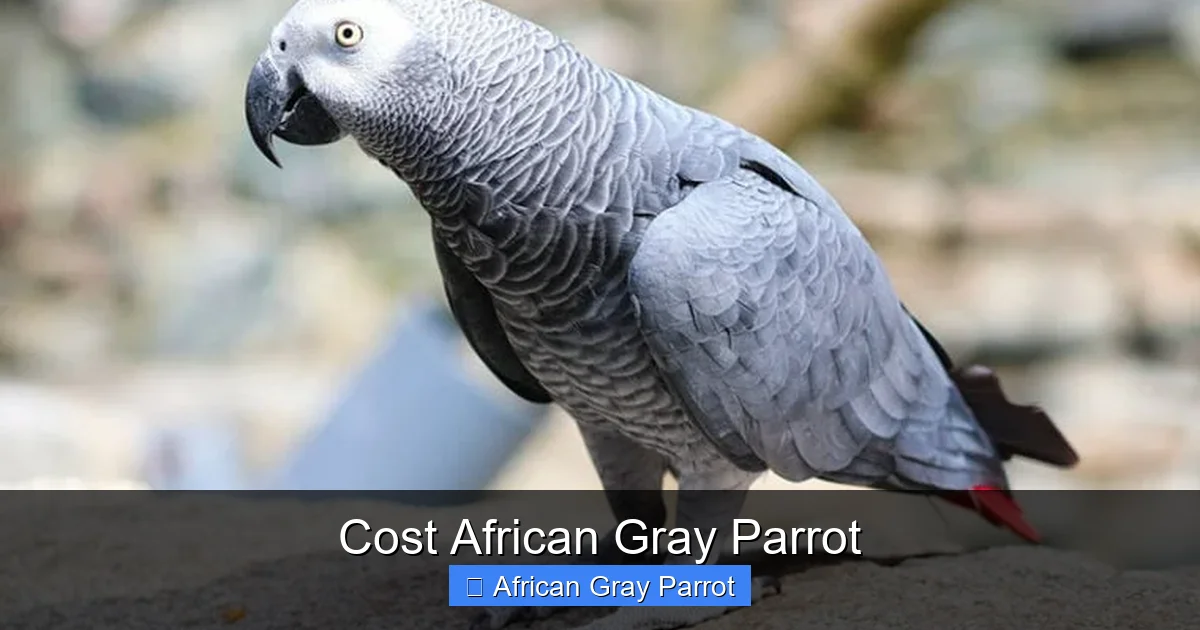
The cost African gray parrot ownership involves far more than the initial purchase price of $1,500 to $3,500. Lifetime expenses including veterinary care, premium diet, enrichment toys, and proper housing can exceed $50,000 over their 50-60 year lifespan. Smart budgeting and preparation are essential before bringing one home.
So you are thinking about bringing an African gray parrot into your life. That is wonderful news. These birds are brilliant. They are funny. They can become incredible companions. But before you fall in love with those soulful eyes and that famous talking ability, we need to have an honest conversation about money. The cost African gray parrot ownership demands is significant. It goes way beyond the price tag on the bird itself.
Many first-time buyers focus only on the purchase price. They see a baby bird for $2,000 and think that is the main expense. It is not. That purchase price is just the door fee. The real costs unfold over decades. Food. Toys. Vet bills. Cage upgrades. Emergency care. Pet sitters. Air purifiers. The list goes on. If you are not prepared for the long haul, both you and the bird will struggle. Let us break down every expense so you can plan wisely.
Key Takeaways
- Purchase price varies widely: Expect to pay $1,500 to $3,500 for a hand-raised baby from a reputable breeder, while adopted adults may cost $500 to $1,500.
- First-year costs are highest: Initial setup including cage, toys, perches, vet exams, and supplies typically runs $2,000 to $4,000 beyond the bird’s price.
- Annual maintenance adds up: Budget $1,500 to $3,000 per year for food, vet care, toy replacement, and routine supplies.
- Emergency vet bills can be massive: Avian specialist visits cost $150 to $300 per exam, with surgeries or hospitalizations reaching $2,000 to $10,000.
- Lifespan creates long-term financial commitment: At 50-60 years, total lifetime cost often exceeds $50,000 to $100,000.
- Hidden costs surprise new owners: Travel carriers, air purifiers, UV lighting, pet-sitting, and home modifications add thousands more.
- Adoption saves money upfront: Rescues and sanctuaries offer lower fees but birds may need extra veterinary or behavioral rehabilitation.
Quick Answers to Common Questions
How much does a baby African gray parrot cost from a breeder?
A hand-raised baby from a reputable breeder typically costs $1,500 to $3,500, with top-tier breeders charging up to $5,000 for extensively socialized, health-tested birds.
What is the cheapest way to get an African gray parrot?
Adoption from a rescue or sanctuary is the cheapest upfront option at $500 to $1,500, though these birds are usually adults who may need extra veterinary or behavioral care.
How much should I budget for the first year of ownership?
Plan for $5,000 to $10,000 in the first year including the bird, cage setup, initial vet exams, food, toys, air purification, lighting, and emergency fund establishment.
Do African gray parrots need pet insurance?
Pet insurance is highly recommended as avian veterinary emergencies can cost $2,000 to $10,000; Nationwide offers avian plans for $30 to $50 monthly covering 90% after deductible.
What is the total lifetime cost of an African gray parrot?
With a 50-60 year lifespan, total lifetime costs typically range from $250,000 to $350,000 including food, veterinary care, toys, supplies, emergencies, and inflation over decades.
📑 Table of Contents
Understanding the Initial Purchase Price
The first number you will encounter is the price of the bird. This number varies a lot. It depends on where you live. It depends on the source. It depends on the bird’s age and training. Let us look at the main options.
Buying from a Reputable Breeder
This is the most common route for people who want a hand-raised baby. A good breeder socializes the chicks daily. They wean them properly onto a healthy diet. They do health testing on the parents. They offer a health guarantee. You pay for that quality. Expect to pay between $1,500 and $3,500. Congo African grays tend to be on the lower end. Timneh African grays are sometimes a bit more because they are less common. Birds with exceptional talking potential or rare color mutations can go much higher. Some top-tier breeders charge $4,000 to $5,000 for a perfectly socialized, weaned, DNA-sexed baby with a full health panel done.
Adopting from a Rescue or Sanctuary
Adoption is a fantastic option. Fees are much lower. Usually $500 to $1,500. That fee helps the rescue care for other birds. You are giving a home to a bird in need. Many rescue birds are adults. They may have unknown histories. Some come with behavioral challenges. Others are perfectly sweet and just lost their home due to owner illness or death. Rescues usually vet the birds before adoption. They can match you with a bird that fits your experience level. The cost African gray parrot adoption route saves you money upfront but may require more patience and training investment.
Pet Stores and Bird Fairs
You will see babies in pet stores. Prices range from $2,000 to $4,000. Be careful here. Many pet store birds come from large-scale breeding operations. They may not be well socialized. They may have health issues. Bird fairs can be hit or miss. Some excellent breeders sell at fairs. Some not-so-great ones do too. Always ask for health records. Ask to see the parents. Ask about the weaning process. If they cannot answer, walk away.
Private Rehomes
Sometimes owners post birds on Craigslist or Facebook. Prices vary wildly. You might see “free to good home” or $800. Be very cautious. There is usually a reason the bird is being rehomed. Aggression. Screaming. Plucking. Health problems. Or maybe the owner just cannot keep them. If you go this route, insist on a recent vet check. Spend time with the bird first. Do not impulse buy.
Ongoing Care Costs That Add Up
The purchase is done. The bird is home. Now the monthly bills start. These are not optional. They are the cost of keeping your parrot healthy and happy.
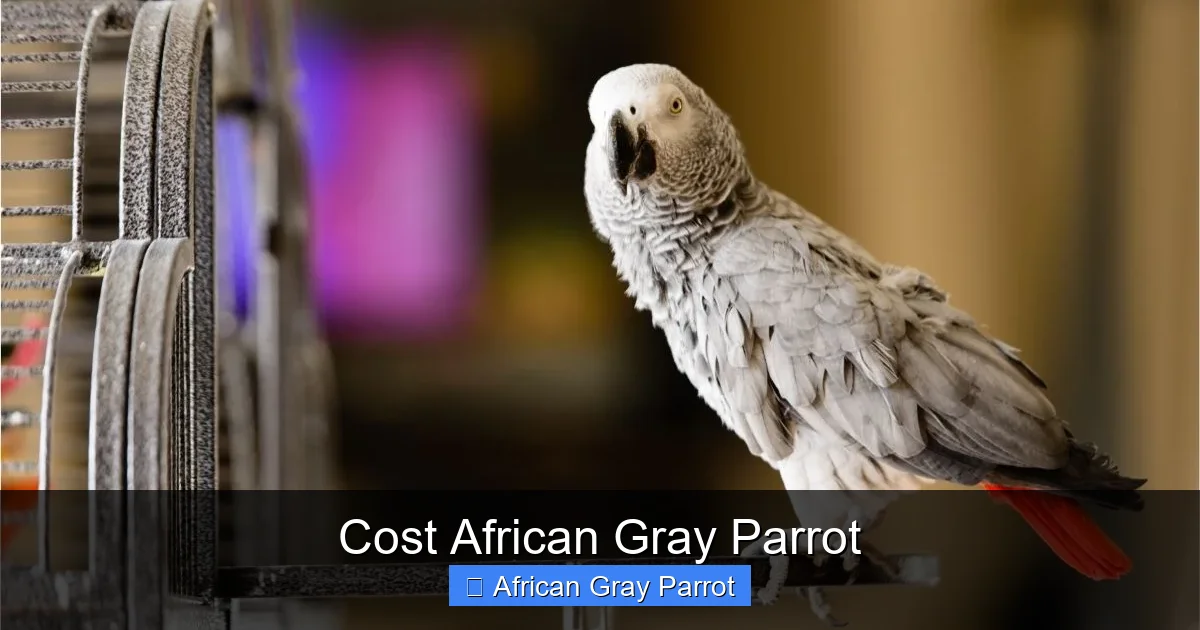
Visual guide about Cost African Gray Parrot
Image source: sp-ao.shortpixel.ai
Premium Diet Expenses
African grays cannot live on seed alone. Seed is junk food for them. It causes fatty liver disease. It causes vitamin A deficiency. It shortens their lives. You need a high-quality pellet base. Brands like Harrison’s, Roudybush, or TOPS. A 5-pound bag costs $30 to $50. It lasts one bird about a month. That is $360 to $600 a year just for pellets.
But pellets are not enough. You need fresh foods daily. Chopped vegetables. Some fruit. Grains. Legumes. Sprouts. This is “chop.” You make it in batches. It takes time and money. Fresh produce for a parrot costs $30 to $60 a month. That is another $360 to $720 a year. Treats for training. Nuts in shell for foraging. Almonds. Walnuts. Pecans. These add up. Budget $50 to $100 monthly for all food. That is $600 to $1,200 annually.
Toy Replacement Budget
This surprises everyone. African grays destroy toys. It is their job. They have the intelligence of a 5-year-old and the beak strength of a bolt cutter. A $20 foraging toy lasts two days. A $30 wood block lasts a week. You need a constant rotation. Boredom leads to plucking. Plucking leads to vet bills. Plan to spend $50 to $150 a month on toys. That is $600 to $1,800 a year. You can save money by making some yourself. Untreated pine blocks. Paper rolls. Palm leaf strips. But you still need to buy parts. And you need time to build them.
Routine Veterinary Care
You need an avian vet. Not a dog and cat vet. Birds hide illness. By the time they look sick, they are critical. Annual wellness exams are mandatory. Cost: $150 to $300. Blood work: $150 to $250. Fecal exam: $50 to $100. Nail and beak trims: $20 to $50 if needed. Vaccinations are not routine for parrots but some vets recommend polyomavirus vaccine for babies. That is $50 to $80 per dose. Budget $400 to $700 a year for routine care. More if your bird has chronic issues.
Supplements and Medications
Calcium supplements. Vitamin D3. Probiotics. Omega-3 oils. These are often recommended for African grays. They are prone to hypocalcemia. A good calcium powder is $15 to $25 and lasts months. Probiotics $20 to $30. It adds up. If your bird develops a condition like atherosclerosis or feather destructive behavior, medications can cost $50 to $200 monthly.
Hidden Expenses Most Owners Forget
These are the costs that blindside people. They are not monthly. They are not annual. But they will happen. Plan for them now.
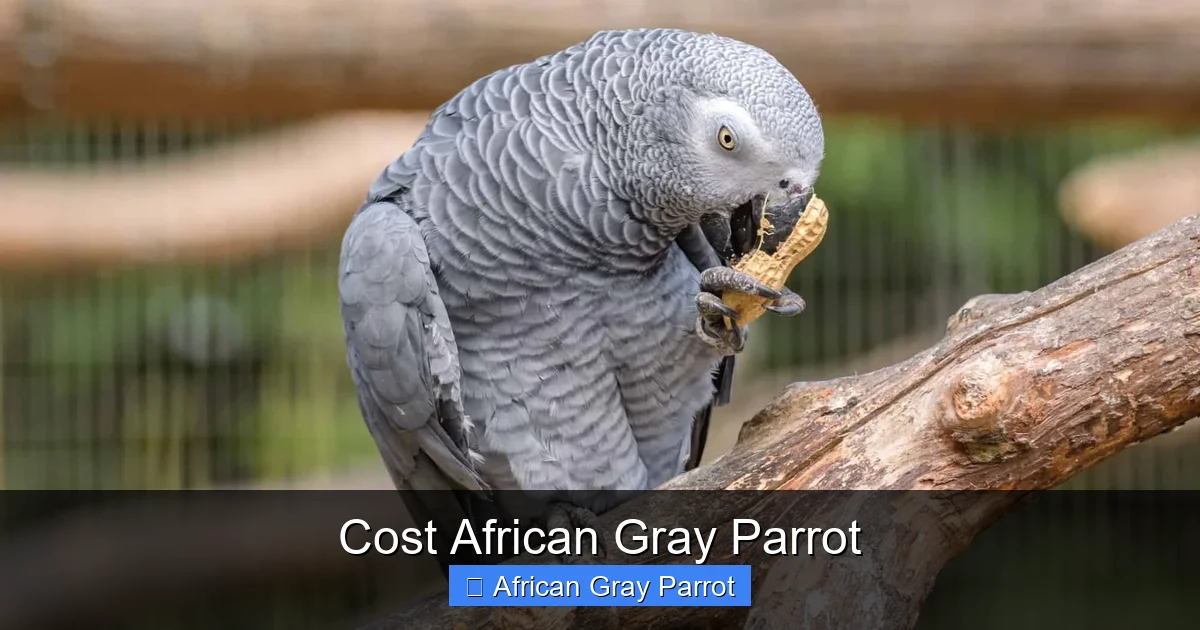
Visual guide about Cost African Gray Parrot
Image source: bubblypet.com
Cage Upgrades and Replacements
Your first cage might cost $400 to $800. A good powder-coated or stainless steel cage. But African grays are strong. They chew welds. They bend bars. They figure out locks. In 5 to 10 years, you will need a new cage. Or a bigger one. Stainless steel cages last forever but cost $1,500 to $3,000. Powder coated lasts 7 to 15 years. Factor in $50 to $100 per year averaged out for cage replacement fund.
Perches and Foot Health
You need a variety of perches. Natural wood. Rope. Cement for nails. Platform. They wear out. They get poopy. They harbor bacteria. Replace natural wood every 6 to 12 months. Rope perches when frayed. Budget $100 to $200 a year for perches alone.
Air Quality Equipment
African grays produce powder down. Lots of it. It coats everything. It irritates lungs. Yours and theirs. You need a true HEPA air purifier. Not an ionizer. Not a cheap filter. A real HEPA unit for the bird room costs $200 to $600. Filters need replacement every 6 to 12 months at $50 to $150 each. You may need two units. This is non-negotiable for respiratory health.
Full Spectrum Lighting
Birds need UVB for vitamin D synthesis. Window glass blocks UVB. You need special avian lamps. Arcadia or Zoo Med. Bulbs cost $30 to $60. They must be replaced every 6 to 12 months even if they still light up. UVB output drops. Fixtures cost $50 to $100. Budget $100 to $200 annually for lighting.
Travel Carriers
You need a safe carrier for vet visits. Emergencies. Evacuations. A good hard-sided carrier is $80 to $150. A soft-sided one for short trips is $50 to $100. Get both. Train the bird to love them before you need them.
Pet Sitting and Boarding
You cannot leave an African gray alone for a weekend. They need daily interaction. Fresh food. Water changes. Medication if needed. A qualified bird sitter costs $25 to $50 per visit. Boarding at an avian vet or specialty facility is $30 to $60 per day. Two weeks of vacation costs $400 to $800. If you travel for work, this is a major recurring cost.
Home Modifications
Bird proofing. Window screens. Door locks. Removing toxic plants. Non-stick cookware replacement. Teflon kills birds instantly. You need stainless steel, cast iron, ceramic. That is hundreds of dollars. Maybe a dedicated bird room. Soundproofing for neighbors. The cost African gray parrot ownership includes making your home safe.
Regional Price Differences and Sources
Where you live changes everything. Prices vary by state. By country. By urban versus rural. Let us explore the factors.
United States Regional Variation
Coastal cities are expensive. New York. Los Angeles. San Francisco. Miami. Breeders there have higher overhead. Birds cost $2,500 to $4,000. Midwest and South are often cheaper. $1,500 to $2,800. But selection may be limited. You may need to travel or ship. Shipping a bird costs $300 to $600 via airline cargo. Plus health certificate $100 to $200. Plus travel carrier. Driving to pick up saves shipping but costs gas and time.
International Considerations
In Canada, prices are similar to US but fewer breeders. Europe has strict regulations. Prices in UK run £1,000 to £2,500. Australia has import bans. Only domestic birds available. Very expensive. $5,000 to $10,000 AUD. Always check CITES regulations. African grays are Appendix I. International trade is heavily restricted. Most pet birds are captive-bred domestically.
Urban vs Rural Breeders
Urban breeders charge more. Higher rent. Higher vet costs. More demand. Rural breeders may charge less but be harder to visit. Some rural breeders are not reputable. They cut corners. Always vet the breeder regardless of location.
Seasonal Price Fluctuations
Baby season is spring to early summer. More availability. Sometimes better prices. Fall and winter have fewer babies. Prices may rise. Holidays see impulse buying. Prices spike. Avoid buying as a Christmas gift. It is terrible for the bird.
Budget Planning for Your African Gray
Now let us build a real budget. Numbers vary. These are realistic ranges for a typical US owner.
First Year Total Cost Breakdown
Bird purchase: $2,000 average. Cage and setup: $800. Initial vet exam and tests: $400. Food for year: $900. Toys for year: $1,200. Perches and accessories: $200. Air purifier: $300. Lighting: $150. Carrier: $120. Pet sitting for one vacation: $500. Miscellaneous: $300. Total first year: approximately $6,870. Could be $5,000 if you are thrifty and lucky. Could be $10,000 if you buy top-tier everything and have a vet emergency.
Annual Recurring Costs After Year One
Food: $900. Toys: $1,200. Routine vet: $500. Perches and supplies: $200. Air purifier filters: $150. Lighting bulbs: $100. Pet sitting: $500. Savings for cage replacement: $100. Emergency fund contribution: $1,000. Total annual: approximately $4,650. This is a maintenance budget. It assumes no major emergencies.
Emergency Fund Reality
You need a separate emergency fund. $3,000 minimum. $5,000 to $10,000 is better. Avian emergencies happen fast. Crop impaction. Egg binding. Toxin ingestion. Broken blood feather. Window strike. Night fright injury. Surgery starts at $1,500. Hospitalization $200 to $500 per day. ICU $500 to $1,000 per day. Without an emergency fund, you may face impossible choices. Start saving before you buy the bird.
Lifetime Cost Projection
Let us do the math. 50 year lifespan. First year: $7,000. 49 years at $4,650: $227,850. Plus emergencies. Plus inflation. Realistic lifetime cost: $250,000 to $350,000. That sounds insane. But spread over 50 years, it is manageable. It is like a car payment that never ends. But for a family member who loves you back.
Ways to Reduce Costs Without Cutting Corners
Make your own toys. Buy toy parts in bulk. Grow your own herbs and greens. Buy pellets in 25-pound bags. Share orders with other bird owners. Learn to do nail trims yourself. Build your own perches from safe branches. Make chop in huge batches and freeze. Adopt instead of buy. Use CareCredit for vet emergencies. Get pet insurance. Nationwide offers avian plans. $30 to $50 a month. Covers 90% after deductible. Worth it for peace of mind.
Is an African Gray Parrot Worth the Investment?
Only you can answer this. But let us look at what you get for that money.
The Intelligence Return
African grays are widely considered the smartest parrots. Alex the famous gray proved they understand concepts. Same. Different. Bigger. Smaller. Zero. They solve puzzles. They use tools. They communicate needs. They manipulate you. Living with that intelligence is a daily wonder. It is also exhausting. They outthink you. They train you. You pay for the privilege of being outsmarted by a dinosaur.
The Talking Ability
This is the main draw. They are the best talkers. Clear voices. Huge vocabularies. Contextual use. But not all talk. Some never say a word. Some only mimic microwave beeps. Buying for talking is a gamble. Adopting an adult talker guarantees it. But you get their baggage too.
The Emotional Bond
African grays bond deeply. Often to one person. They are sensitive. Empathetic. They know your moods. They comfort you. They celebrate with you. That bond is priceless. But it creates separation anxiety. They scream when you leave. They pluck if neglected. The emotional cost works both ways.
The Lifestyle Impact
You cannot be spontaneous. Weekend trips require planning. Vacations require budgeting. Late nights mean tired bird. Morning sleep-ins mean screaming bird. Your schedule revolves around them. Non-stick pans are gone. Candles are gone. Air fresheners are gone. Smoking is gone. Cleaning chemicals are restricted. Your home changes. Your life changes.
The Legacy Planning
They outlive you. Or your ability to care. You must plan. Who takes them? Is there money set aside? A trust? A sanctuary spot reserved? This is part of the cost. Responsible ownership includes end-of-life planning for the bird.
Making the Decision
If you have the money. The time. The patience. The stability. The willingness to learn. The ability to put another being’s needs first for decades. Then yes. It is worth every penny. If you are unsure about any of those. Wait. Volunteer at a rescue. Foster. Bird-sit. Learn first. The birds deserve owners who are ready.
The cost African gray parrot ownership requires is high. But the rewards are unique. These are not pets. They are companions. They are family. They are a lifestyle. Go in with open eyes. Open wallet. Open heart. And prepare for the adventure of a lifetime.
Frequently Asked Questions
Why are African gray parrots so expensive compared to other parrots?
African grays command high prices due to their exceptional intelligence, talking ability, long lifespan, and the intensive hand-raising process required. Breeders invest months in socialization, weaning, and health testing, plus they are CITES Appendix I protected species with restricted trade.
Can I finance the purchase of an African gray parrot?
Some breeders offer payment plans, and CareCredit can finance veterinary costs, but financing a living being is risky. It is better to save the full amount first, ensuring you can also afford ongoing care without debt stress.
Are Timneh African grays cheaper than Congo African grays?
Timneh African grays are sometimes slightly more expensive ($2,000 to $4,000) because they are less commonly bred. Their smaller size and darker coloration make them less common in the pet trade, reducing supply.
What ongoing costs do new owners underestimate most?
Toy destruction is the biggest surprise. African grays destroy $50 to $150 of toys monthly. Air purification systems ($200 to $600 plus filters), full-spectrum lighting ($100 to $200 annually), and qualified pet-sitting ($25 to $50 per visit) are also frequently underestimated.
Is it cheaper to buy an unweaned baby and hand-feed myself?
Absolutely not. Unweaned babies should never be sold to inexperienced hand-feeders. The mortality rate is high. The equipment costs $300+. The risk of aspiration, crop burn, stunting, and behavioral issues is enormous. Always buy fully weaned, socialized birds.
How can I verify a breeder is reputable before spending thousands?
Ask for references from recent buyers. Request health testing records for parents (PBFD, polyomavirus, chlamydia). Visit the facility or video call. Check for closed bands on babies. Ensure they wean onto pellets, not seeds. Avoid breeders who ship unweaned babies or refuse questions.