
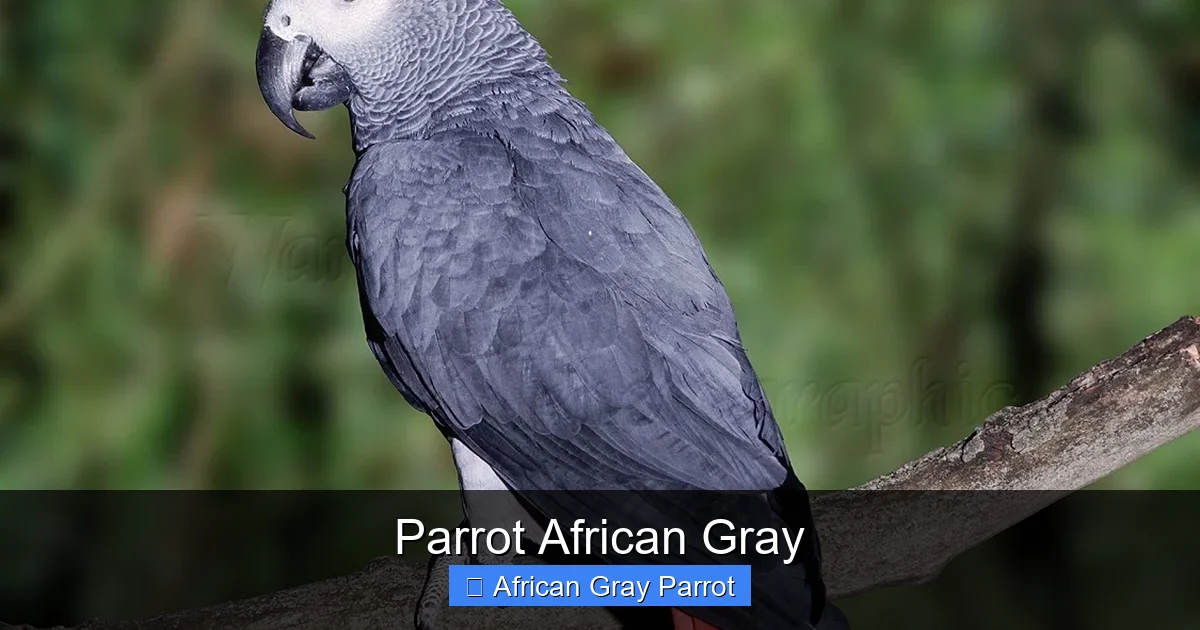
The African Gray Parrot is widely considered the most intelligent talking bird in the world, prized for its exceptional vocabulary and emotional depth. These remarkable companions require dedicated care, mental stimulation, and social interaction to thrive in a home environment.
Key Takeaways
- Exceptional Intelligence: African Grays possess cognitive abilities comparable to a 5-year-old child, making them the smartest talking parrots.
- Long Lifespan: With proper care, these birds live 40 to 60 years, requiring a lifelong commitment from owners.
- High Social Needs: They demand several hours of daily interaction and mental stimulation to prevent behavioral issues.
- Specialized Diet: A balanced diet of pellets, fresh vegetables, fruits, and limited seeds is essential for health.
- Two Subspecies Exist: The larger Congo African Gray and smaller Timneh African Gray have subtle differences in size and color.
- Prone to Feather Plucking: Stress, boredom, or medical issues often trigger this destructive behavior in sensitive Grays.
- Expensive Investment: Initial costs range from $1,500 to $3,500, with ongoing expenses for food, toys, and veterinary care.
Quick Answers to Common Questions
How long do African Gray Parrots live?
African Gray Parrots typically live 40 to 60 years in captivity with proper care, and some have been documented living even longer.
At what age do African Grays start talking?
Most African Grays begin mimicking sounds around 6 to 12 months, but clear speech often develops between 1 and 2 years of age.
Are African Gray Parrots good for beginners?
Generally no. Their high intelligence, sensitivity, and complex needs make them challenging for first-time bird owners.
Do African Grays bond to only one person?
They often form a strong primary bond with one person but can learn to accept and interact with other family members through socialization.
How much does an African Gray Parrot cost?
Expect to pay $1,500 to $3,500 for a hand-raised baby from a reputable breeder, plus $1,000+ for initial setup and ongoing monthly costs.
📑 Table of Contents
Understanding the African Gray Parrot
If you have ever dreamed of sharing your home with a feathered genius, the African Gray Parrot might be the perfect match. These birds are not just pets. They are lifelong companions with personalities as complex as any human roommate. Known for their uncanny ability to mimic human speech and understand context, African Grays have captured the hearts of bird lovers worldwide.
But before you bring one home, you need to know what you are signing up for. This is not a casual pet. An African Gray demands time, patience, and a deep understanding of its needs. In this guide, we will walk you through everything from their fascinating history to daily care routines. By the end, you will know if you are ready for the adventure of a lifetime.
Natural Habitat and Origins
The African Gray Parrot hails from the rainforests of West and Central Africa. Countries like Ghana, Ivory Coast, Cameroon, and the Democratic Republic of Congo are their native homes. In the wild, they live in large flocks high in the canopy. They feed on palm nuts, seeds, fruits, and leafy matter. Their gray feathers provide perfect camouflage among the shadows of the dense forest.
Sadly, their popularity has led to severe population declines. Habitat loss and the illegal pet trade have pushed them to endangered status. Today, international trade is heavily restricted under CITES Appendix I. Responsible owners only acquire birds from reputable breeders who can provide proper documentation.
Congo vs Timneh: Know the Difference
Many people do not realize there are two distinct subspecies. The Congo African Gray is the larger, more famous one. It sports bright cherry-red tail feathers and a solid black beak. The Timneh African Gray is smaller, darker, and has a horn-colored upper mandible with a maroon tail. Timnehs often mature faster and may start talking earlier. Both make equally wonderful companions.
Physical Characteristics and Appearance
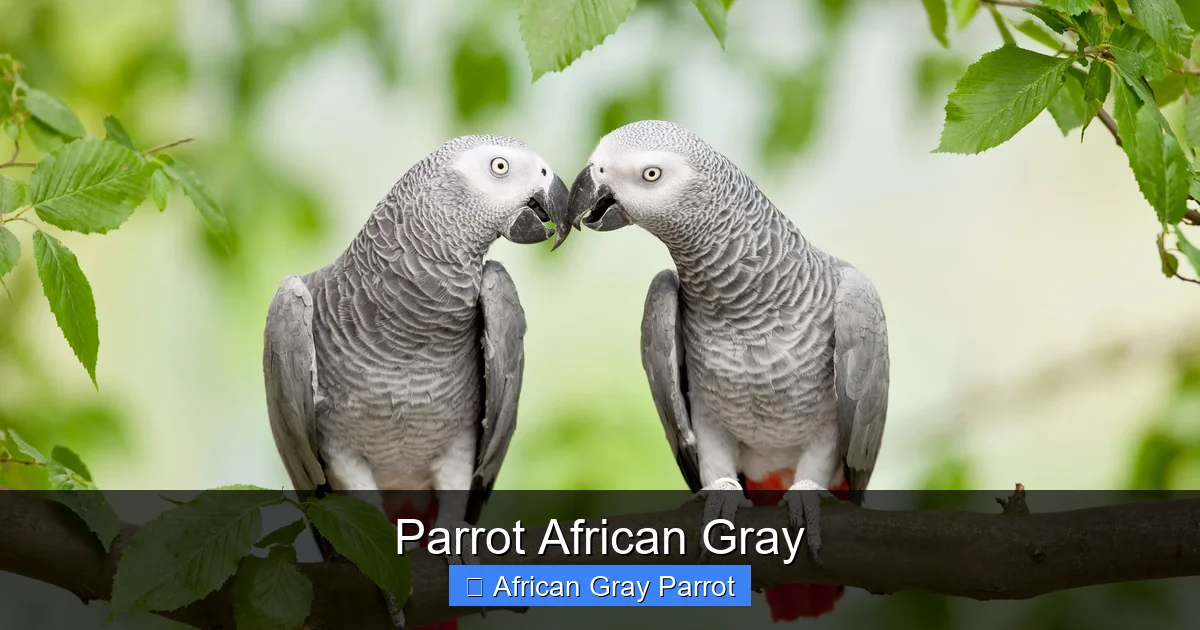
At first glance, an African Gray might seem plain compared to a macaw or cockatoo. But look closer. Their beauty lies in subtle elegance. Every feather is a masterpiece of shading.
Visual guide about Parrot African Gray
Image source: static01.nyt.com
Size and Build
A Congo African Gray measures about 13 inches from beak to tail tip. They weigh between 400 and 650 grams. Timnehs are slightly smaller at 9 to 11 inches and 275 to 400 grams. Both have a strong, hooked beak designed for cracking hard nuts. Their feet are zygodactyl, meaning two toes point forward and two backward. This gives them an incredible grip for climbing and manipulating objects.
Feather Details
Their plumage is not just gray. Each feather has a white or light gray edge, creating a stunning scalloped pattern. The bare facial skin around the eyes and nostrils is white. This skin can blush pink when the bird is excited or agitated. It is a useful mood indicator. Their eyes are a striking pale yellow in adults, while juveniles have dark gray or black eyes.
Sexing Challenges
Here is a fun fact. You cannot reliably tell male from female by looks alone. Both sexes look identical. DNA testing or surgical sexing is the only sure way. Some breeders claim subtle differences in head shape or posture, but these are not reliable. If you plan to breed, invest in a DNA test early.
Intelligence and Talking Ability
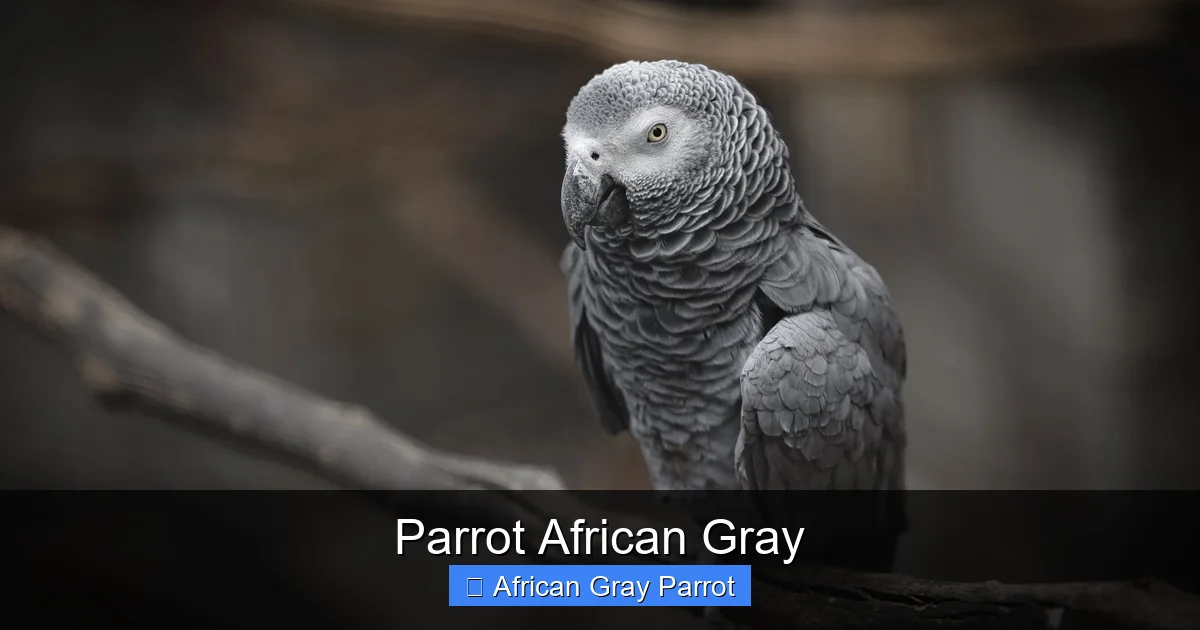
This is what makes the African Gray legendary. Their cognitive abilities have been studied for decades. The most famous subject was Alex, studied by Dr. Irene Pepperberg for 30 years. Alex could identify colors, shapes, materials, and quantities. He understood concepts like “same,” “different,” and “none.” He even combined words creatively, calling an apple a “banerry” (banana + cherry).
Visual guide about Parrot African Gray
Image source: images8.alphacoders.com
Vocabulary and Context
An African Gray does not just parrot words. Many learn hundreds of words and phrases. More importantly, they use them in context. Your bird might say “want water” when the bowl is empty. It might greet you with “hello” when you walk in the door. Some even mimic household sounds perfectly. The microwave beep. The phone ring. A sneeze. You will swear a human is in the room.
Emotional Intelligence
These birds feel deeply. They bond intensely with their chosen person. They can become jealous, sulky, or overjoyed. They read your mood like a book. If you are sad, your Gray might offer a gentle preen or a quiet whistle. If you are stressed, they may act out. This empathy is a double-edged sword. It makes them amazing companions but also highly sensitive to neglect.
Problem Solving Skills
Give an African Gray a puzzle toy and watch the gears turn. They can unlock latches, untie knots, and solve multi-step problems. This intelligence means they need constant mental challenges. A bored Gray is a destructive Gray. Rotate toys weekly. Offer foraging opportunities. Teach new tricks. Keep that big brain busy.
Care Requirements and Daily Needs
Owning an African Gray is a lifestyle. It shapes your schedule, your budget, and your home environment. Let us break down the daily reality.
Housing and Cage Setup
Bigger is always better. The minimum cage size for a Congo is 36 x 24 x 48 inches. Bar spacing should be 3/4 to 1 inch. Stainless steel or powder-coated wrought iron is best. Avoid cheap cages with zinc or lead. Place the cage in a social area but away from drafts and direct sunlight. The kitchen is a no-go zone due to fumes from non-stick cookware.
Inside, provide multiple perches of varying diameters. Natural wood branches like manzanita or dragonwood are ideal. They exercise the feet and prevent pressure sores. Add a rope perch for sleeping. Include a play gym on top for supervised out-of-cage time.
Diet and Nutrition
A seed-only diet will kill an African Gray slowly. They need a balanced foundation. High-quality pellets should make up 60 to 70 percent of the diet. The rest is fresh foods. Dark leafy greens like kale, Swiss chard, and dandelion greens are stars. Orange vegetables like sweet potato and carrot provide vitamin A. Fruits like berries, papaya, and mango are treats. Healthy grains like quinoa and brown rice add variety.
Foods to avoid: avocado, chocolate, caffeine, alcohol, onions, garlic, and high-salt or high-fat human snacks. Fresh water must be available always. Change it twice daily. Clean food bowls every day.
Daily Routine and Interaction
Plan for at least three to four hours of direct interaction daily. This includes training, talking, playing, and just hanging out. An African Gray wants to be part of your flock. Include them in your activities. Let them sit on a perch while you cook (safely away from fumes). Talk to them while you fold laundry. They thrive on inclusion.
Sleep is critical. They need 10 to 12 hours of quiet darkness. A cage cover helps. A consistent bedtime routine reduces night frights.
Bathing and Grooming
Most Grays love water. Offer a shallow dish for bathing or mist gently with a spray bottle. Some enjoy the shower with you on a suction perch. Bathing keeps feathers healthy and reduces dust. African Grays produce a fine powder down. It is normal but can trigger allergies. An air purifier helps.
Nail and beak trims are rarely needed if you provide proper perches and chew toys. Flight feathers can be trimmed for safety, but many owners prefer full flight with a bird-proofed home. Consult an avian vet for guidance.
Health Concerns and Prevention
African Grays are masters at hiding illness. In the wild, a sick bird gets eaten. So they pretend to be fine until they cannot anymore. You must be observant.
Common Health Issues
Hypocalcemia is a major concern. African Grays have a higher calcium requirement than other parrots. Low calcium leads to seizures, weak bones, and egg binding in females. Ensure the diet includes calcium-rich foods and a cuttlebone or mineral block. Your vet may recommend a supplement.
Feather Destructive Behavior (plucking) is heartbreakingly common. Causes range from medical (skin infection, allergies, pain) to psychological (boredom, anxiety, trauma). A full veterinary workup is step one. Then address environment, routine, and enrichment. Never punish plucking. It increases stress.
Respiratory Infections happen fast. Birds have sensitive air sacs. Drafts, smoke, aerosol sprays, and dust are hazards. Signs include tail bobbing, wheezing, voice change, and nasal discharge. This is an emergency.
Psittacine Beak and Feather Disease (PBFD) is a viral threat. It causes abnormal feather growth and beak deformities. There is no cure. Testing before purchase and strict quarantine of new birds are vital.
Aspergillosis is a fungal infection. It thrives in damp, dirty environments. Keep the cage clean and dry. Good ventilation prevents it.
Finding an Avian Veterinarian
Do not wait for an emergency. Find a board-certified avian vet before you bring your bird home. Schedule a wellness exam within the first week. Annual checkups with blood work catch problems early. Budget for this. Avian vet visits cost more than dog or cat visits.
Emergency Preparedness
Have a travel carrier ready. Know the location of the nearest 24-hour exotic animal hospital. Keep a first aid kit with styptic powder, gauze, and electrolyte solution. Learn how to safely restrain your bird in a towel. Practice this during calm times so it is not traumatic later.
Training and Socialization Tips
Training is not about tricks. It is communication. It builds trust. It prevents behavior problems. And it is the highlight of the day for many owners.
Positive Reinforcement Basics
Use a clicker or a verbal marker like “good.” Pair it with a high-value treat. A sliver of almond, a sunflower seed, or a piece of grape works. Timing is everything. Mark the exact moment the bird does the right thing. Keep sessions short. Five minutes, two or three times a day, beats one long session.
Essential Behaviors to Teach
Step Up: The foundation of handling. Offer your hand or a perch at belly level. Say “step up.” Reward immediately. Practice from different angles and heights.
Target Training: Teach the bird to touch a target stick with its beak. This lets you guide them without force. It is great for moving them in and out of the cage.
Recall: Call your bird to fly to you. Start with short distances. This is a lifesaver if they ever escape.
Stationing: Teach them to stay on a designated perch. Useful during cooking or when guests visit.
Socialization Strategies
Expose your Gray to new people, sounds, and objects gradually. Let them observe from a distance. Reward calm curiosity. Never force interaction. A well-socialized bird is confident, not fearful. Invite friends over for “bird TV.” Let your Gray watch from their play gym. Play recordings of household sounds at low volume.
Addressing Problem Behaviors
Screaming: Ignore it completely. No eye contact, no talking, no covering the cage. Wait for a moment of quiet. Then reward heavily. Teach an alternative like a whistle or a phrase.
Biting: Learn the warning signs. Pinning eyes, flared tail, raised feathers. Respect the “no.” Back off. Analyze the trigger. Was it fear? Hormones? Pain? Address the root cause.
Territorial Aggression: Many Grays guard their cage. Use target training to move them in and out. Do not put your hand in the cage of a territorial bird. Service the cage while they are out.
Is an African Gray Right for You?
This is the most important question. Be brutally honest with yourself.
The Ideal Owner Profile
You work from home or have a flexible schedule. You are home most evenings and weekends. You enjoy learning and teaching. You have a quiet, stable household. You can afford $200 to $400 monthly for food, toys, and vet care. You are prepared for a 50-year commitment. You have a plan for the bird if you predecease it. You do not mind dust, noise, and occasional chaos. You value a deep, complex relationship over a low-maintenance pet.
Red Flags
You work 12-hour shifts away from home. You travel frequently. You have young children who cannot understand boundaries. You or a family member has severe allergies or asthma. You live in an apartment with thin walls. You want a “talking bird” but do not care about the bird itself. You cannot handle a bite that draws blood. You are not ready to bird-proof your entire home.
Alternatives to Consider
If an African Gray feels overwhelming, look at other species. Senegal parrots are quieter and smaller. Pionus parrots are gentle and laid-back. Quaker parrots are chatty and adaptable. Cockatiels are sweet and easier for beginners. Or consider adopting an older Gray in need of a home. Rescues are full of wonderful birds who lost their families due to life changes.
Conclusion
The African Gray Parrot is a marvel of nature. A feathered Einstein with a heart of gold. Living with one changes you. You become more patient. More observant. More present. The bond you build is unlike any other pet relationship. It is a partnership built on mutual respect, daily conversation, and shared routines.
But this privilege comes with a price. Time. Money. Emotional energy. Flexibility. A willingness to learn and adapt for decades. If you can say yes to all of it, welcome to the club. You are about to meet your new best friend. They will greet you at the door. They will ask for a scratch. They will tell you they love you in your own voice. And you will wonder how you ever lived without them.
Do your homework. Visit breeders. Talk to owners. Volunteer at a rescue. Make an informed choice. Your future Gray deserves nothing less.
Frequently Asked Questions
What is the difference between a Congo and Timneh African Gray?
The Congo African Gray is larger with a bright red tail and solid black beak. The Timneh is smaller, darker gray, with a horn-colored upper beak and maroon tail. Timnehs often mature faster and may be slightly less prone to anxiety.
Can African Gray Parrots understand what they are saying?
Research shows African Grays can associate words with meanings, identify objects, colors, and quantities, and use language contextually, demonstrating comprehension beyond simple mimicry.
Why is my African Gray plucking its feathers?
Feather plucking can stem from medical issues like skin infections or nutritional deficiencies, or psychological causes like boredom, stress, or lack of sleep. A full avian veterinary exam is essential to determine the cause.
What should I feed my African Gray Parrot daily?
Feed a base of 60-70% high-quality pellets, supplemented with fresh vegetables (especially dark leafy greens and orange veggies), fruits in moderation, healthy grains, and occasional nuts or seeds as treats.
How much out-of-cage time does an African Gray need?
African Grays need a minimum of 3 to 4 hours of supervised out-of-cage time daily for exercise, mental stimulation, and social interaction to maintain physical and psychological health.
Are African Gray Parrots loud?
They are not typically screamers like macaws or cockatoos, but they can be noisy with whistles, mimicry, and contact calls. Their volume is moderate, but their frequency of vocalization is high throughout the day.