
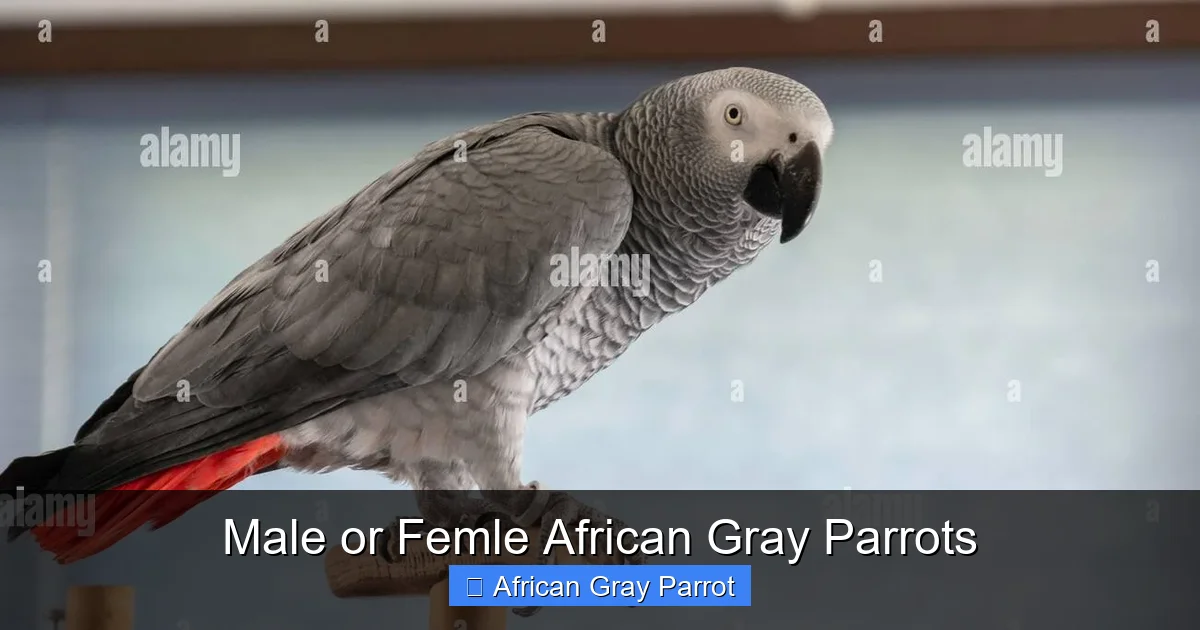
Male or female african gray parrots share many traits but show subtle differences in size, vocal ability, and bonding style. Knowing these nuances helps you pick a bird that fits your lifestyle.
Key Takeaways
- Sex differences are subtle: Males and females look almost alike.
- Size varies slightly: Males tend to be a bit larger.
- Talking ability differs: Both sexes can talk, but males may mimic more.
- Bonding style changes: Females often bond with one person.
- Health risks differ: Egg‑binding is a female concern.
- Choose based on lifestyle: Match the bird’s personality to your home.
Quick Answers to Common Questions
How can I tell the sex of my African gray parrot?
DNA testing using a blood sample or feather is the most accurate method.
Do male African gray parrots talk better than females?
Both sexes can talk well; males may mimic more words but females also learn large vocabularies.
What health issue is unique to female African gray parrots?
Egg‑binding is a condition only females can experience and requires immediate veterinary care.
Which sex bonds more closely with one person?
Females often form a strong bond with a single favorite person.
Can I keep a male and female together without breeding?
Yes, but you must prevent nesting behavior and provide separate sleeping areas if you do not want chicks.
📑 Table of Contents
Understanding the Basics of African Gray Parrots
African gray parrots are popular pets. They are smart. They can mimic human speech. They need mental stimulation. They live a long time. A typical lifespan is 40 to 60 years. Owners must plan for a long commitment.
When people talk about male or female african gray parrots they often wonder about sex differences. The truth is that the birds look very similar. DNA testing is the most reliable way to know the sex. Visual clues are subtle and not always accurate.
Both sexes share the same diet needs. They eat pellets, fresh fruit, vegetables, and nuts. Fresh water must be available at all times. A clean cage prevents disease. Regular vet checks keep the bird healthy.
Why Sex Matters
Sex can affect behavior. It can affect health. It can affect breeding potential. Knowing the sex helps you set expectations. It also helps you choose a bird that fits your home.
Common Myths
Many myths exist about male or female african gray parrots. Some think only males talk. That is false. Both sexes can learn words. Some think females are always calmer. That is not guaranteed. Personality varies by individual.
History and Origin
African gray parrots come from the rainforests of West and Central Africa. They have been kept as companions for centuries. Early explorers noted their remarkable talking ability. Today they are one of the most sought‑after pet birds worldwide.
Natural Habitat
In the wild they live in dense canopy flocks. They forage for seeds, nuts, and fruit. They nest in tree cavities. Their social structure is complex and highly vocal.
Lifespan Details
A well‑cared‑for bird can reach 60 years or more. Longevity depends on diet, environment, and veterinary care. Planning for decades of care is essential before adoption.
Common Color Mutations
While the classic gray is standard, breeders have produced mutations like the “Timneh” and “Congo” varieties. These mutations do not affect sex differences or talking ability.
Physical Differences Between Male and Female Birds
Physical differences are small. Males are often a few grams heavier. Their heads may appear slightly broader. The beak shape is almost identical. Feather color is the same. The tail length is similar.
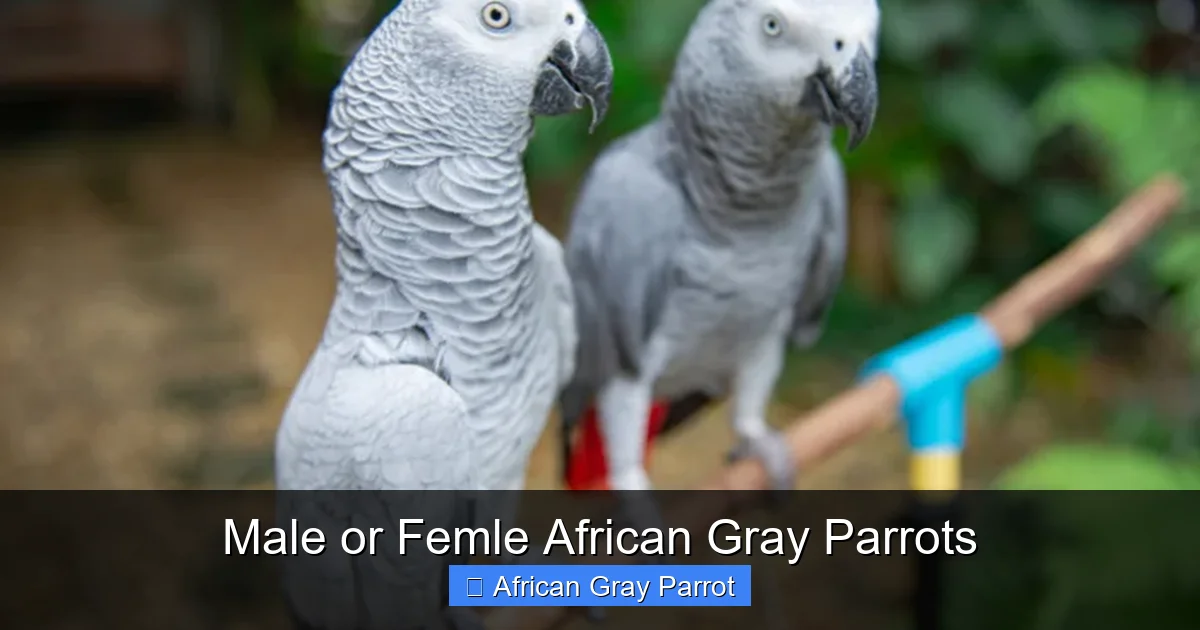
Visual guide about Male or Femle African Gray Parrots
Image source: thehappychickencoop.com
Experts sometimes use the width of the pelvic bones as a clue. In females the pelvic bones are wider to allow egg laying. This method requires experience. It is not foolproof.
DNA Testing
DNA testing is the gold standard. A small blood sample or feather is sent to a lab. Results arrive in a few days. The test is accurate and inexpensive. Many breeders offer DNA sexing as a service.
Visual Guesswork
Some owners try to guess sex by looking at the bird. They note the size of the head. They note the stance. These guesses are often wrong. It is better to rely on DNA.
Weight Range
Adult males typically weigh 400 to 450 grams. Adult females usually weigh 380 to 430 grams. Overlap is common, so weight alone cannot confirm sex.
Head Shape Details
Males may show a marginally flatter crown. Females can have a slightly rounder skull. These differences are subtle and best assessed by an experienced avian veterinarian.
Pelvic Bone Measurement
During a physical exam a vet can feel the pelvic bones. A wider gap suggests a female. This technique is used alongside DNA for confirmation.
Veterinary Sexing Methods
Endoscopy can visualize internal reproductive organs. It is invasive and rarely needed. Most owners prefer non‑invasive DNA testing.
Behavioral Traits: What to Expect
Behavior varies more by personality than by sex. However, some trends appear. Males may be more outgoing. Females may be more reserved. Both can be affectionate. Both can be territorial.
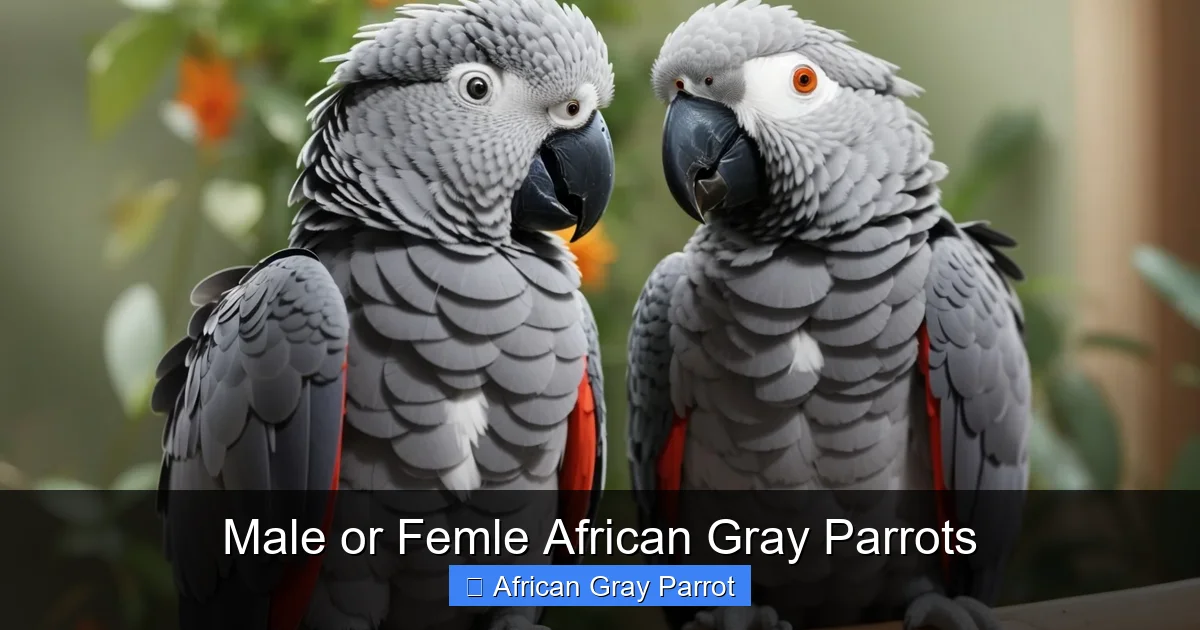
Visual guide about Male or Femle African Gray Parrots
Image source: atractivopets.com
When you bring a new male or female african gray parrots home, give it time to adjust. Speak softly. Offer treats. Avoid sudden movements. Trust builds slowly.
Social Needs
These parrots are flock animals. They need daily interaction. Lonely birds develop bad habits. Feather plucking is a sign of stress. Provide toys, puzzles, and foraging opportunities.
Vocalization
Both sexes can be loud. They scream to communicate. They mimic sounds they hear. Males may mimic more words. Females may mimic household noises. Training can shape the vocabulary.
Bonding Patterns
Females often choose one favorite person. They may become protective of that person. Males may spread affection among family members. This is a general trend, not a rule.
Playfulness
Both sexes enjoy games that challenge the mind. Puzzle feeders, shredding toys, and interactive apps keep them engaged. Rotate toys weekly to prevent boredom.
Aggression Triggers
Territorial behavior can arise during breeding season. Hormonal changes may cause nipping. Providing a safe retreat space reduces conflict.
Routine Preferences
Consistent daily schedules help the bird feel secure. Feeding, play, and sleep times should be predictable. Sudden changes can cause anxiety.
Interaction with Other Pets
Supervised introductions are necessary. Some parrots tolerate dogs or cats. Others may become stressed. Always monitor body language closely.
Training and Talking Ability
Training works best with positive reinforcement. Use treats, praise, and clicker signals. Keep sessions short. Five to ten minutes several times a day is ideal.
Both male or female african gray parrots can learn hundreds of words. Consistency is key. Repeat words clearly. Reward attempts. Avoid punishment.
Teaching Basic Commands
Start with simple cues. “Step up” is essential. “Come here” helps with recall. “Quiet” can reduce screaming. Practice daily.
Expanding Vocabulary
Introduce new words in context. Say “apple” when offering an apple. Say “hello” when greeting. The bird links the word to the object or action.
Managing Noise
If the bird screams excessively, check for boredom. Add new toys. Increase out‑of‑cage time. Teach a “quiet” cue. Reward silence.
Clicker Training Basics
A clicker marks the exact moment the bird performs the desired behavior. Pair the click with a treat. Repeat until the bird anticipates the reward.
Teaching Phrases
Use short, clear phrases. Repeat them in the same tone. Reward each successful imitation. Gradually increase phrase length.
Dealing with Biting
Biting often signals fear or overstimulation. Stop the interaction calmly. Give the bird space. Reinforce gentle behavior with treats.
Advanced Tricks
Once basics are mastered, teach targeting, wave, or retrieve. Break each trick into tiny steps. Celebrate progress with enthusiasm.
Health Considerations for Each Sex
Regular veterinary care is vital. Annual exams catch problems early. Blood work monitors organ function. Vaccinations are not routine for parrots.
Female birds face egg‑binding. This is a life‑threatening condition. Provide calcium supplements. Ensure a proper diet. Watch for straining or lethargy.
Male birds can develop testicular tumors. These are rare but possible. Routine checks help detect masses early.
Nutrition
A balanced diet prevents many illnesses. Pellets should make up 60 to 70 percent of the diet. Fresh produce adds vitamins. Nuts and seeds are treats only.
Environmental Enrichment
Enrichment reduces stress. Rotate toys weekly. Offer foraging puzzles. Provide safe branches for chewing. A varied environment supports mental health.
Signs of Illness
Watch for changes in droppings. Fluffed feathers indicate discomfort. Loss of appetite is serious. Seek vet care immediately if you notice these signs.
Common Diseases
Psittacosis, feather disease, and respiratory infections are common. Early diagnosis improves outcomes. Quarantine new birds for at least 30 days.
Preventive Care
Annual blood panels, fecal exams, and beak trims keep the bird healthy. Discuss a preventive schedule with your avian vet.
Supplement Guide
Calcium, vitamin D3, and omega‑3 fatty acids support bone and feather health. Use supplements only under veterinary guidance.
Emergency Signs
Difficulty breathing, severe bleeding, or sudden collapse require immediate veterinary attention. Keep an emergency kit and vet contact handy.
Choosing the Right Bird for Your Home
Consider your lifestyle before adopting. Do you have time for daily interaction? Can you provide a large cage? Are you ready for a 50‑year commitment?
If you want a talkative companion, both sexes can deliver. If you prefer a bird that bonds closely with one person, a female may suit you. If you want a more social bird, a male might be a better fit.
Adoption vs. Breeder
Adoption gives a home to a bird in need. Rescues often know the bird’s personality. Breeders can provide DNA‑sexed babies. Both routes have pros and cons.
Preparing the Home
Set up the cage before the bird arrives. Include perches of varying diameter. Add a shallow water dish. Place the cage in a lively area but away from drafts.
First Weeks
Keep the environment calm. Limit visitors. Offer a consistent routine. Gradually introduce handling. Patience builds trust.
Space Requirements
A minimum cage size of 36 × 24 × 48 inches is recommended. Larger enclosures allow flight and exercise. Outdoor aviaries are ideal if climate permits.
Budget Planning
Initial costs include cage, toys, and vet exams. Ongoing expenses cover food, supplements, and annual check‑ups. Budget for unexpected medical bills.
Family Dynamics
All household members should understand the bird’s needs. Children must be taught gentle handling. Consistent rules prevent confusion for the parrot.
Long‑Term Commitment
Plan for care across decades. Arrange a trusted caregiver for vacations. Include the bird in estate planning if possible.
Conclusion
Understanding the subtle differences between male or female african gray parrots helps you make an informed choice. Both sexes are intelligent, loving, and long‑lived. The best bird for you matches your personality and lifestyle. Provide proper care, training, and enrichment. Your feathered friend will reward you with years of companionship.
Frequently Asked Questions
What is the average lifespan of an African gray parrot?
African gray parrots typically live 40 to 60 years with proper care.
Do African gray parrots need a special diet?
They thrive on a pellet‑based diet supplemented with fresh fruits, vegetables, and occasional nuts.
How much daily interaction does an African gray parrot require?
At least two to three hours of direct interaction each day helps prevent boredom and behavioral problems.
Can African gray parrots be kept in an apartment?
Yes, but they can be loud; sound‑proofing and regular out‑of‑cage time are recommended.
What toys are best for mental stimulation?
Foraging puzzles, shreddable toys, and rotating novelty items keep the bird engaged.
Is it necessary to clip the wings of an African gray parrot?
Wing clipping is optional; many owners prefer full flight for exercise and confidence.