
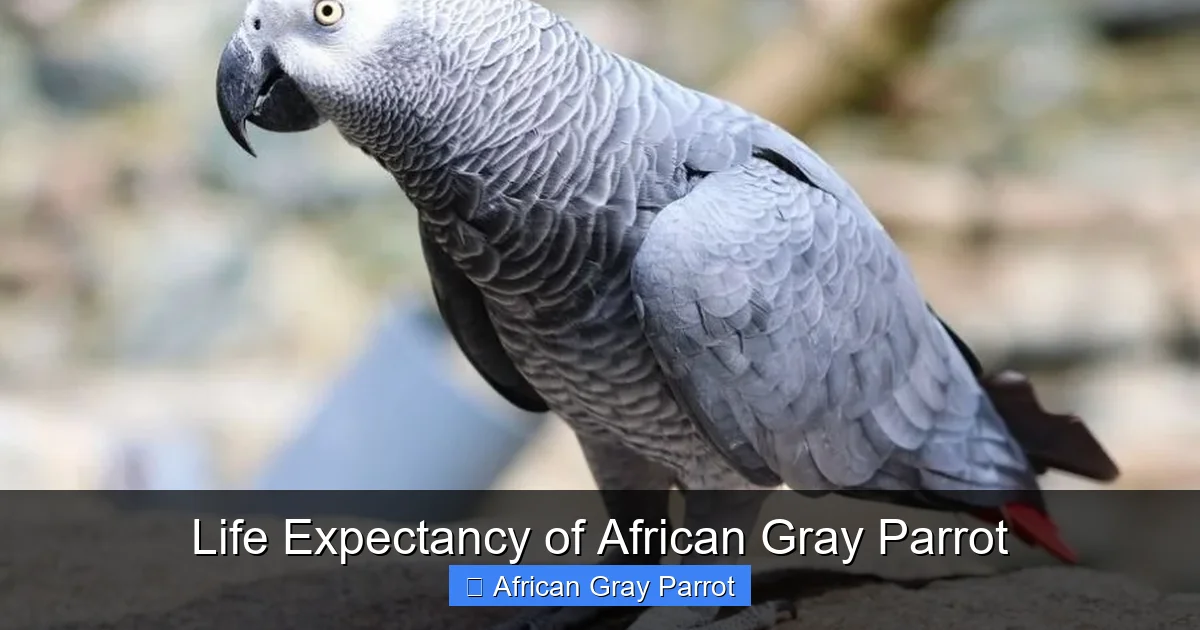
The average life expectancy of African gray parrot ranges from 40 to 60 years in captivity when cared for properly. Key factors include diet, mental stimulation, and regular veterinary check‑ups. With the right environment, many birds exceed 70 years.
African gray parrots are famous for their intelligence and talking ability. Many people want to know how long these birds can live. The life expectancy of African gray parrot depends on many things. Good care can add decades to their life.
In the wild they face predators and food scarcity. In a home they can be safe and well fed. This article explains the average lifespan and the main factors that affect it. You will also find practical tips to help your bird live longer.
Key Takeaways
- Average lifespan: 40‑60 years in captivity, often longer with optimal care.
- Diet matters: A balanced mix of pellets, fresh fruits, vegetables, and nuts supports longevity.
- Mental enrichment: Toys, training, and social interaction reduce stress and prevent disease.
- Regular vet visits: Annual exams catch health issues early and extend life.
- Safe environment: Proper cage size, clean air, and temperature control are essential.
- Genetics play a role: Some lines live longer; choose reputable breeders.
- Owner commitment: Daily interaction and consistent routines make the biggest difference.
Quick Answers to Common Questions
What is the typical life expectancy of African gray parrot in captivity?
The typical life expectancy of African gray parrot in captivity is 40 to 60 years with good care.
Which diet component is most important for longevity?
A high‑quality pelleted diet combined with fresh fruits and vegetables is most important for longevity.
How often should I take my parrot to the vet?
Annual wellness exams are recommended; more frequent visits if health issues arise.
Can social interaction really extend lifespan?
Yes, daily social interaction reduces stress and prevents behavioral problems that shorten life.
What are the biggest environmental hazards at home?
Open windows, ceiling fans, toxic plants, and non‑stick cookware fumes are the biggest hazards.
📑 Table of Contents
What Is the Average Life Expectancy of African Gray Parrot?
Wild vs Captivity
In the wild the average life expectancy of African gray parrot is about 20 to 30 years. Predators, disease, and harsh weather cut lives short. In captivity the same species often lives 40 to 60 years. Some individuals reach 70 or even 80 years with excellent care.
Record Ages
There are documented cases of African gray parrots living past 80 years. These records come from zoos and dedicated private owners. The longest verified age is 83 years. Such ages are rare but show the potential of the species.
Factors That Influence Longevity
Genetics
Genetics set a baseline for health. Birds from healthy bloodlines tend to live longer. Reputable breeders screen for hereditary diseases. Choosing a bird from a trusted source gives a better start.
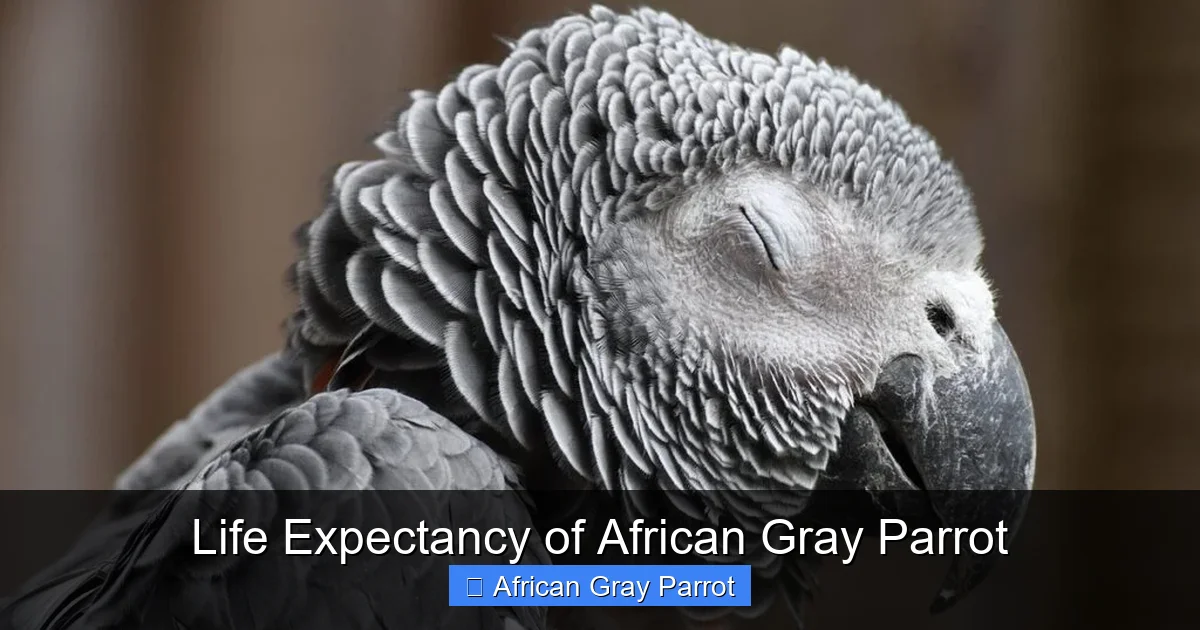
Visual guide about Life Expectancy of African Gray Parrot
Image source: exoticpethub.com
Diet and Nutrition
Nutrition is the single biggest factor after genetics. A diet rich in vitamins, minerals, and protein supports organ function. Poor nutrition leads to obesity, liver disease, and feather problems. All of these shorten life.
Environment and Housing
A spacious cage allows exercise. Clean air prevents respiratory infections. Stable temperature avoids stress. Proper lighting mimics natural day cycles. All these environmental factors add years.
Social Interaction
African gray parrots are highly social. Loneliness causes stress and feather plucking. Daily interaction with humans or other birds improves mental health. A happy bird lives longer.
Veterinary Care
Regular check‑ups catch problems early. Blood work, fecal exams, and beak trims are routine. Vaccinations and parasite control prevent deadly diseases. Preventive care is cheaper and more effective than emergency treatment.
Diet and Nutrition for a Longer Life
Pelleted Diets
High‑quality pellets provide balanced nutrition. They should make up 60 to 70 percent of the diet. Choose pellets formulated for large parrots. Avoid seed‑only mixes because they lack essential nutrients.
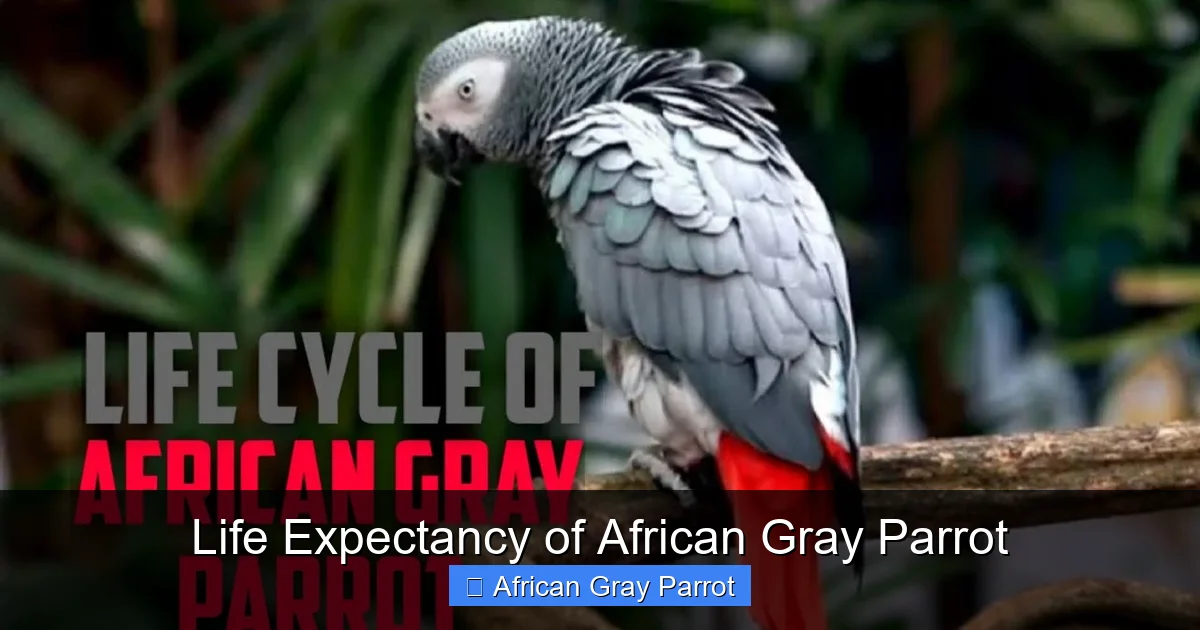
Visual guide about Life Expectancy of African Gray Parrot
Image source: i.ytimg.com
Fresh Foods
Fresh fruits and vegetables add variety and antioxidants. Offer dark leafy greens, carrots, berries, and apples daily. Rotate items to prevent boredom. Wash all produce thoroughly to remove pesticides.
Supplements
Calcium and vitamin D3 supplements support bone health. Use a cuttlebone or mineral block in the cage. Consult a vet before adding any powder supplements. Over‑supplementation can be harmful.
Foods to Avoid
Chocolate, avocado, caffeine, alcohol, and salty snacks are toxic. Onions and garlic can cause anemia. Never feed these items. Keep human food out of reach.
Environmental Enrichment and Mental Health
Toys and Puzzles
Rotate toys weekly to keep interest high. Foraging toys mimic natural food searching. Puzzle feeders challenge problem solving. Chewing toys maintain beak health. Variety prevents boredom and destructive behavior.
Training and Learning
Short training>
Teach simple tricks using positive reinforcement. Clicker training works well. Learning new words stimulates the brain. Mental exercise reduces stress hormones. A stimulated bird shows fewer health issues.
Social Time
Spend at least two hours a day interacting. Talk, sing, or play games. If you work long hours consider a second bird. Pair bonding can fulfill social needs. Always supervise introductions.
Reducing Stress
Loud noises, sudden changes, and lack of routine raise cortisol. Keep a consistent schedule for feeding, lights, and play. Provide a quiet retreat area in the cage. Low stress equals stronger immune system.
Veterinary Care and Preventive Health
Routine Exams
Schedule a wellness exam once a year. The vet will check weight, feathers, beak, and nails. Blood panels reveal hidden infections. Early detection saves lives.
Vaccinations and Parasite Control
Some regions require polyomavirus vaccination. Discuss a schedule with your avian vet. Regular deworming prevents internal parasites. External parasites like mites are treated promptly.
Common Health Issues
Feather plucking, respiratory infections, and psittacosis are common. Obesity leads to fatty liver disease. Beak overgrowth can cause eating difficulty. Knowing signs helps you act fast.
Early Detection
Watch for changes in droppings, appetite, or vocalization. Weight loss of more than 10 percent is serious. Keep a health journal. Share it with your vet at each visit.
Tips for Maximizing Your Parrot’s Lifespan
Daily Routine
Feed at the same times each day. Clean the cage daily. Offer fresh water twice a day. Consistent routines lower anxiety. Predictability makes the bird feel safe.
Monitoring Weight
Weigh your bird weekly using a gram scale. Record the number. Sudden weight changes signal illness. Adjust diet if weight trends upward or downward.
Safe Home Setup
Remove toxic plants, open windows, and ceiling fans. Use bird‑safe cookware. Keep electrical cords hidden. A safe home prevents accidents that can cut life short.
Emergency Preparedness
Know the nearest avian vet clinic. Keep a first‑aid kit with styptic powder, saline, and a towel. Have a travel carrier ready. Quick action during emergencies saves lives.
Conclusion
The life expectancy of African gray parrot can be impressive when you provide proper care. Genetics give a starting point but daily choices shape the outcome. A balanced diet, mental enrichment, regular veterinary visits, and a safe environment work together. Commit to these habits and your feathered companion may share decades of conversation and companionship. Remember that every small improvement adds up. Your dedication is the most powerful factor in extending your bird’s life.
Frequently Asked Questions
How long do African gray parrots live in the wild?
In the wild African gray parrots usually live 20 to 30 years due to predators and food scarcity.
What is the oldest recorded African gray parrot?
The oldest verified African gray parrot lived to 83 years in a zoo setting.
Do African gray parrots need a special light cycle?
Yes, providing 10 to 12 hours of light and 12 to 14 hours of darkness mimics natural cycles and supports health.
Can I feed my parrot only seeds?
No, seed‑only diets lack essential nutrients and lead to malnutrition and shorter lifespan.
What signs indicate my parrot is sick?
Changes in droppings, loss of appetite, feather ruffling, weight loss, and reduced vocalization are warning signs.
Is it necessary to have two parrots for companionship?
Not mandatory, but a second bird can fulfill social needs if the owner cannot provide several hours of daily interaction.