
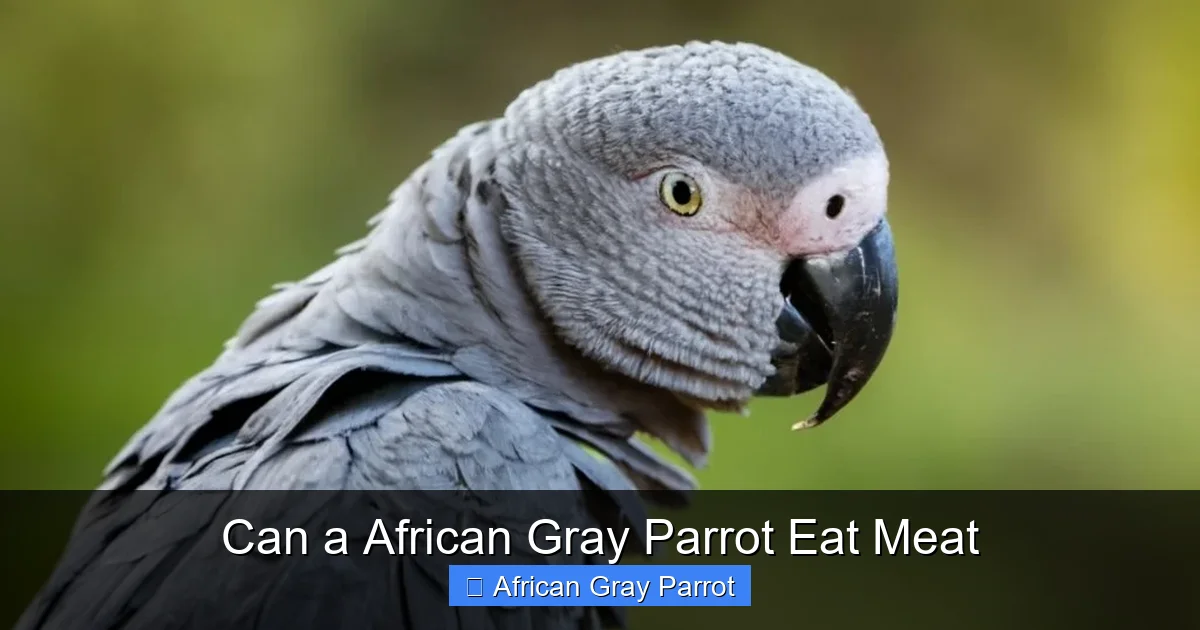
African Grey parrots can eat meat in very small quantities as an occasional protein supplement. Cooked chicken, turkey, or egg whites are safe options when offered sparingly. However, their primary diet should consist of high-quality pellets, fresh vegetables, fruits, and healthy grains.
Featured image for
Image source: atractivopets.com
Many parrot owners wonder about adding protein sources to their bird’s menu. The question can a African Gray Parrot eat meat comes up often in avian forums and vet offices. The short answer is yes, but with important caveats. These intelligent birds are omnivores in the wild, consuming insects and occasional small vertebrates. In captivity, their nutritional needs differ.
📑 Table of Contents
Is Meat Safe for African Grey Parrots?
Meat is safe when prepared correctly and fed in moderation. African Greys can digest animal protein. Their digestive systems handle cooked lean meats without issue. Raw meat poses bacterial risks like salmonella. Always cook meat thoroughly. Remove all bones, skin, and fat. Seasonings, oils, and marinades are toxic to birds. Plain boiled or baked chicken breast is a common choice.
Portion size matters enormously. A piece the size of your pinky fingernail is plenty for an adult Grey. Offer this no more than once or twice a week. Think of meat as a supplement, not a meal. Too much protein stresses the kidneys. Excess fat leads to obesity and fatty liver disease. Balance is the key to a healthy bird.
What Types of Meat Are Best?
Lean poultry tops the list. Chicken breast and turkey breast are excellent low-fat options. Hard-boiled egg whites provide high-quality protein with minimal fat. Some owners offer small bits of cooked white fish like cod or tilapia. Avoid red meats like beef or pork. These are higher in saturated fat and harder to digest. Processed meats are strictly off-limits. Deli slices, bacon, sausage, and ham contain salt, nitrates, and preservatives that harm birds.
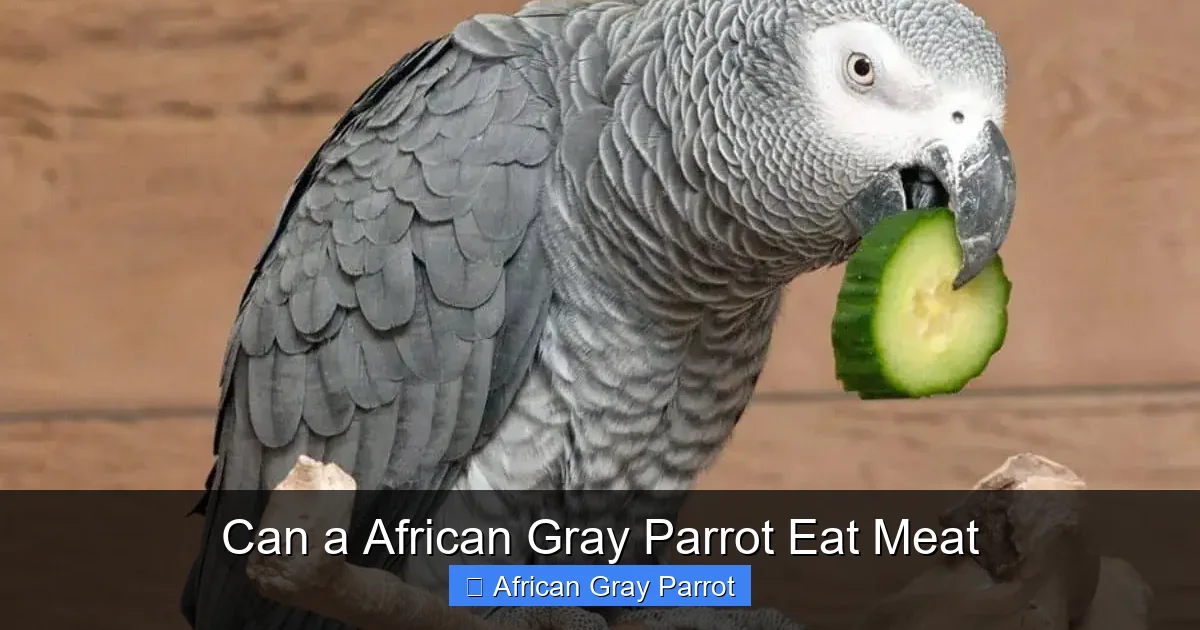
Visual guide about
Image source: birdfeederhub.com
Insects are a natural protein source. Mealworms, crickets, and black soldier fly larvae mimic wild foraging. These can be purchased freeze-dried or live from pet suppliers. They offer enrichment along with nutrition. Always source insects from reputable breeders. Wild-caught bugs may carry pesticides or parasites.
How Should Meat Be Prepared?
Preparation is simple but critical. Boil or bake meat without any additives. No salt, pepper, garlic, onion, or oil. These ingredients are toxic to parrots. Cut the cooked meat into tiny, manageable pieces. Let it cool completely before serving. Warm food can crop burn a bird. Discard any uneaten meat after two hours. Bacteria multiply rapidly at room temperature.
Eggs deserve special mention. Hard-boil eggs for at least 12 minutes. This ensures the yolk is fully set and kills bacteria. Offer only the white, or a tiny crumble of yolk. The yolk is high in fat and cholesterol. Mash the white into small flakes. Mix it with chopped vegetables for a protein-rich mash. This encourages veggie consumption too.
When Should You Avoid Feeding Meat?
Certain health conditions contraindicate meat. Birds with kidney disease need restricted protein. Gout-prone Greys should avoid purine-rich foods. Overweight birds do not need extra calories from meat. Breeding hens may benefit from extra protein during egg-laying. Consult your avian veterinarian before adding meat to a bird with medical issues. A blood panel reveals organ function and guides diet.
Young weaning chicks have different needs. Hand-feeding formulas provide complete nutrition. Solid foods are introduced gradually. Meat is not appropriate for babies. Their digestive systems are too immature. Stick to species-appropriate hand-rearing formula until fully weaned.
What Are Better Protein Alternatives?
Plant-based proteins are safer staples. Legumes like lentils, chickpeas, and mung beans offer protein and fiber. Cook them until very soft. Quinoa is a complete protein grain. Sprouted seeds boost protein bioavailability. Nuts provide protein but are high in fat. Limit nuts to training treats. A high-quality pelleted diet supplies balanced amino acids. Pellets should form 60-70% of the daily intake.
Variety prevents boredom and nutritional gaps. Rotate vegetables daily. Dark leafy greens, orange veggies, and cruciferous vegetables all contribute micronutrients. Fruit adds antioxidants but limit sugar. A diverse plant-based diet meets protein needs without the risks of animal products. Most avian veterinarians recommend this approach.
Signs of Dietary Problems
Watch for changes after introducing meat. Loose droppings suggest digestive upset. Lethargy or reduced appetite may indicate illness. Increased thirst can signal kidney stress. Feather plucking sometimes links to dietary imbalance. Weight gain appears quickly in Greys. Weigh your bird weekly on a gram scale. Sudden changes warrant a vet visit. Early detection saves lives.
Behavioral changes also matter. A bird that begs aggressively for meat may be developing a preference. This leads to picky eating. They may refuse pellets and veggies. Offer meat only after the healthy meal is eaten. Never use meat as a bribe. This creates bad habits that are hard to break.
Conclusion
So, can a African Gray Parrot eat meat? Yes, they can. Small amounts of plain, cooked lean meat are safe as an occasional treat. Egg whites and insects are also good protein sources. However, meat is not necessary for a healthy Grey. A balanced pelleted diet with diverse vegetables provides complete nutrition. Prioritize plant-based foods. Use meat sparingly, if at all. Always consult your avian vet before making dietary changes. Your bird’s long-term health depends on informed choices.