
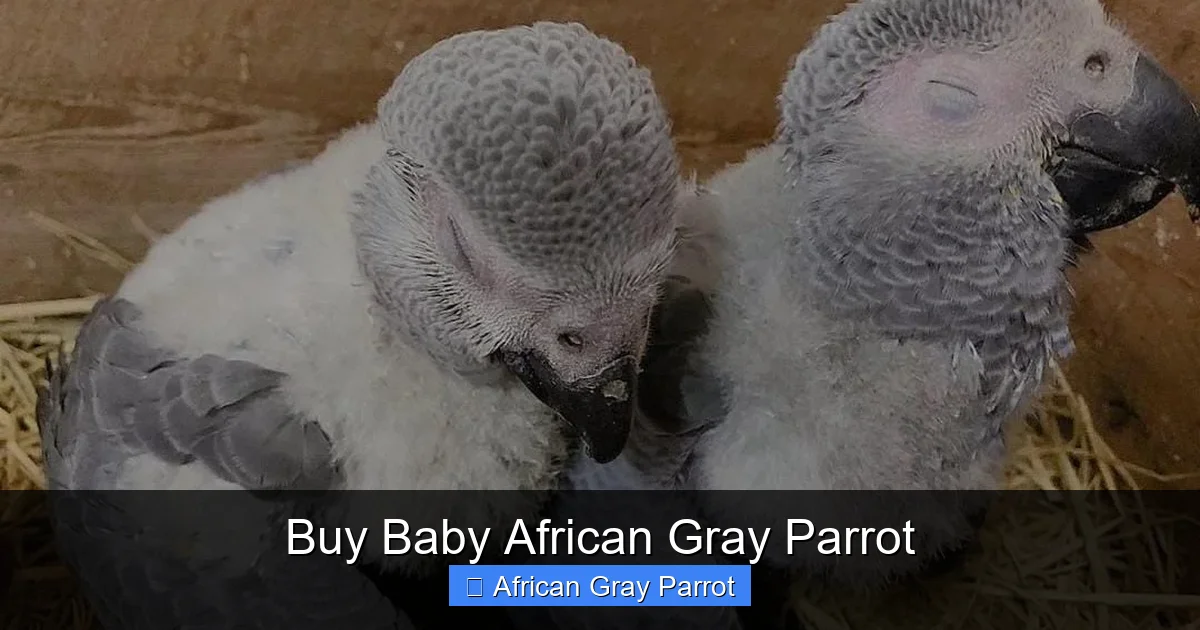
Buying a baby African Gray Parrot means finding a healthy, hand‑raised bird from a trusted breeder and preparing a safe, stimulating environment. This guide covers what to look for, questions to ask, and how to welcome your new companion home.
Featured image for
Image source: parrothaven.uk
Buying a baby African Gray Parrot is an exciting step, but it requires careful planning. This Q&A covers the most common questions so you can make a confident, responsible choice.
📑 Table of Contents
What should I look for when I buy a baby African Gray Parrot?
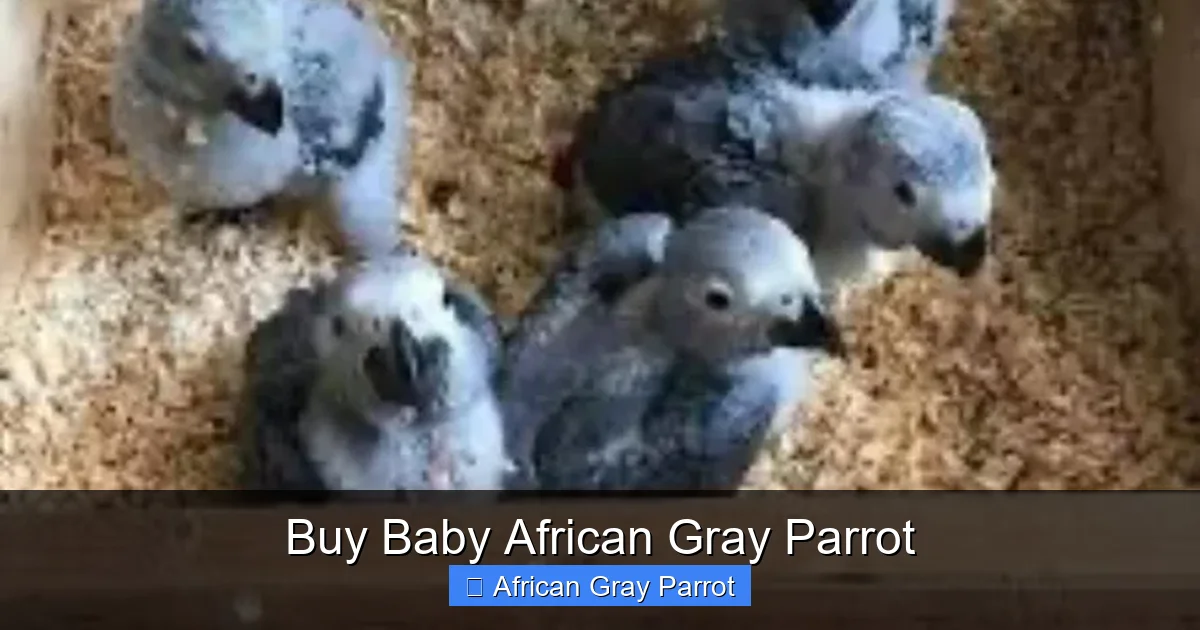
First, check the bird’s age. A true baby is usually 8 to 12 weeks old and still on formula. Look for bright eyes, clean feathers, and an alert posture. The bird should be curious, not lethargic.
Ask to see the parents if possible. Healthy parents often produce healthy offspring. Verify that the baby has been hand‑raised and socialized daily. A well‑socialized bird will step onto your hand without fear.
How do I find a reputable breeder?
Start with avian clubs or certified avian veterinarians for referrals. Reputable breeders are transparent about their facilities and will invite you to visit. They provide a written health guarantee and a contract.
Visual guide about
Image source: parrothaven.uk
What questions should I ask the breeder?
- Can I see the breeding aviary?
- What diet has the baby been on?
- Has the bird been tested for Psittacine Beak and Feather Disease?
- What is the return policy if health issues arise?
Good breeders answer every question without hesitation.
What health checks are essential before purchase?
Request a recent veterinary exam report. The exam should include a physical check, fecal parasite test, and blood work for common viruses. A clean bill of health reduces future costs.
Ask for a DNA sexing certificate if you need to know the gender. Some owners prefer a male for talking ability, but both sexes can learn.
How do I prepare my home for a new parrot?
Set up a spacious cage before the bird arrives. Minimum dimensions: 36 in wide, 24 in deep, 48 in high. Include natural‑wood perches, safe toys, and a foraging area.
Remove toxic plants, open windows, and ceiling fans. Keep the room temperature between 70‑80 °F. Place the cage in a social area where the bird can see family activity.
What are the typical costs involved?
The bird itself ranges from $1,500 to $3,500 depending on lineage and color. Add $300‑$500 for a quality cage, $100‑$200 for toys, and $50‑$100 per month for a premium pellet diet and fresh produce.
Budget for annual avian vet visits ($150‑$300) and possible emergency care. Pet insurance for exotic birds can offset unexpected bills.
How do I socialize and train a baby African Gray?
Spend at least two hours daily interacting with the bird. Use positive reinforcement—treats, praise, and clicker training. Start with simple steps like “step up” and “target.”
Introduce new words slowly. African Grays mimic best when they hear clear, repeated phrases in context. Consistency builds a large vocabulary over time.
Conclusion
To buy baby african gray parrot responsibly, choose a healthy, hand‑raised bird from a transparent breeder, verify health records, and ready a safe, enriching home. Plan for ongoing costs and daily interaction. With proper preparation, your new companion will thrive and become a lifelong talkative friend.