
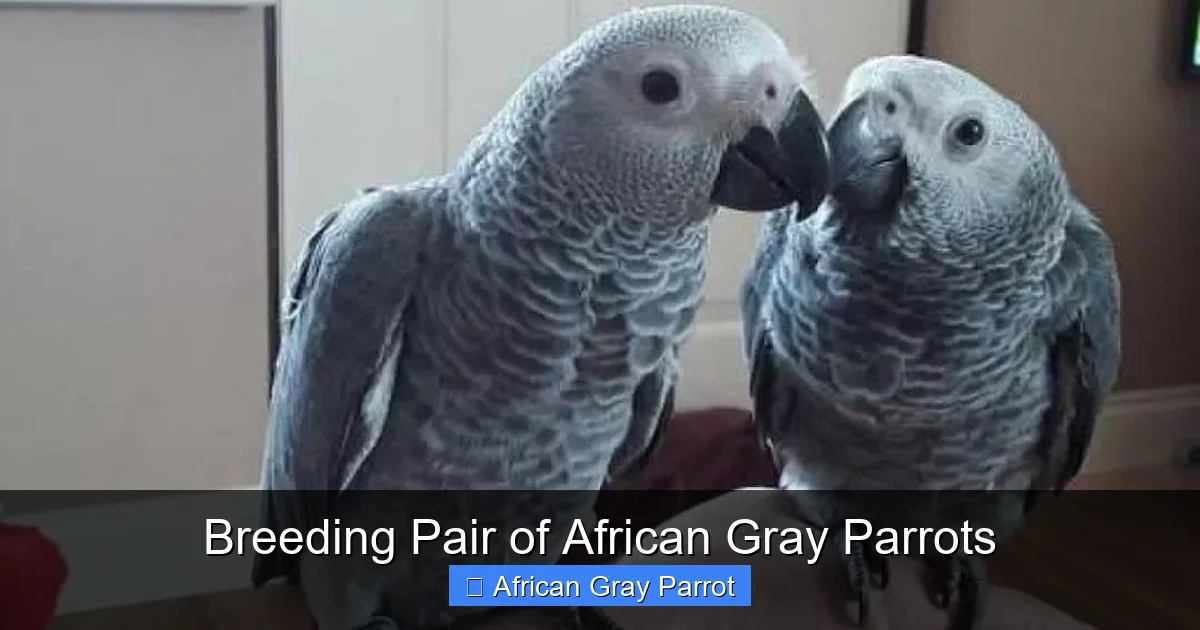
Choosing a compatible breeding pair of African Gray Parrots is the first step toward healthy offspring. Provide a spacious, enriched environment, a balanced diet, and regular veterinary checks to support breeding behavior. With patience and proper care, pairs often produce strong, talkative chicks within a year.
Featured image for
Image source: exoticglobalparrotsfarm.com
A breeding pair of african gray parrots can become a rewarding project when you match the right birds, give them proper space, and meet their nutritional needs. This guide answers the most common questions so you can start with confidence.
📑 Table of Contents
What should I look for when selecting a breeding pair of African Gray Parrots?
Choose birds that are at least three years old, fully feathered, and show calm, curious behavior. Both should have clear eyes, clean nostrils, and smooth feathers without plucking. A compatible pair often preens each other and shares food willingly.
How do I confirm they are unrelated?
Ask the breeder for a pedigree or DNA test results. If paperwork is missing, a simple feather DNA test can verify that the birds are not close relatives. Unrelated pairs reduce the risk of genetic defects in chicks.
What housing and environment do they need?
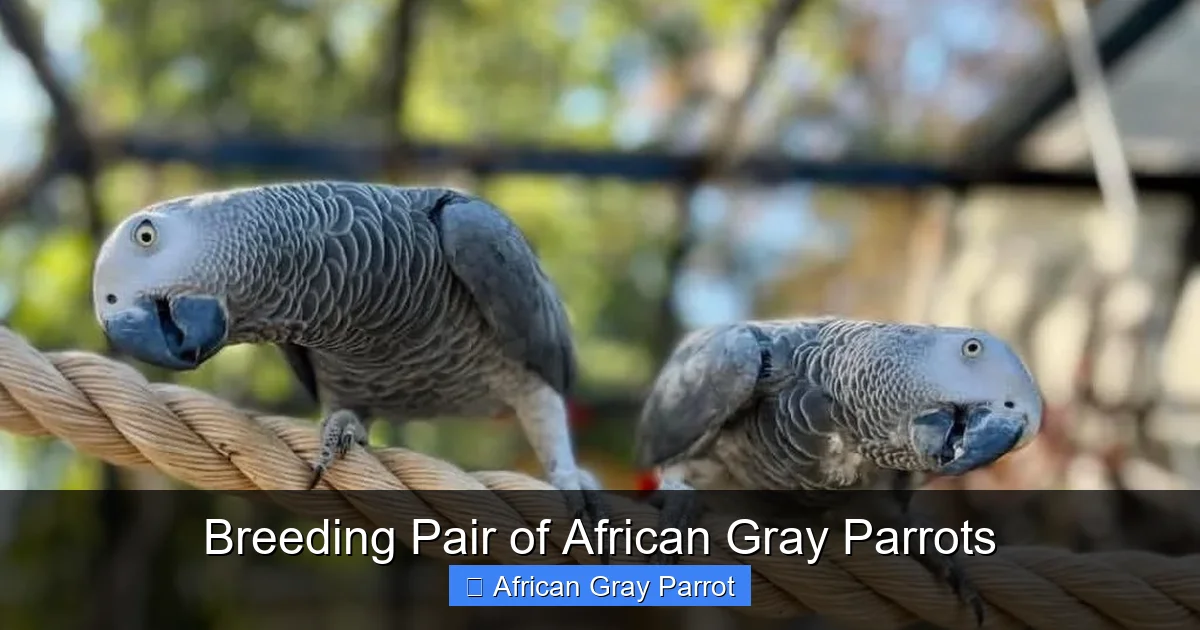
Provide a large aviary or flight cage at least 6 ft long, 4 ft wide, and 5 ft high. Include multiple perches of varying diameters, toys for mental stimulation, and a quiet corner for privacy. Keep temperature between 70‑80 °F and humidity around 50 %.
Visual guide about
Image source: exoticglobalparrotsfarm.com
Nest box specifications
- Size: 12 in × 12 in × 18 in (L × W × H)
- li>li>Entrance hole: 3 in diameter, placed near the top
- Material: untreated pine or plywood, lined with shredded paper
Mount the box high in the cage, away from drafts, and add a small perch just outside the entrance.
What diet supports successful breeding?
Feed a high‑quality pellet base supplemented with fresh fruits, vegetables, and a small amount of nuts. Calcium is critical; offer cuttlebone, calcium‑rich greens, and a vitamin D3 supplement if indoor lighting is limited. Fresh water must be changed daily.
How can I encourage breeding behavior?
Increase daylight gradually to 12‑14 hours using full‑spectrum lights. Provide a varied diet and add a shallow dish of moistened egg food during the pre‑breeding period. Pair bonding often improves when the birds can see each other but also have separate retreat spaces.
Lighting and seasonal cues
Use a timer to mimic sunrise and sunset. A slight temperature drop at night (5‑10 °F) can simulate the natural breeding season. Consistency is key; sudden changes may stress the pair.
What health checks are essential before breeding?
Schedule a veterinary exam for both birds at least 30 days before introducing the nest box. Tests should include a complete blood count, fecal parasite screen, and psittacosis screening. Treat any infections before breeding begins.
Key Takeaways
Match mature, unrelated birds; give them a spacious, enriched cage with a proper nest box; feed a calcium‑rich, varied diet; simulate natural light cycles; and clear health issues early. Follow these steps and your breeding pair of african gray parrots will have the best chance for healthy, talkative chicks.