
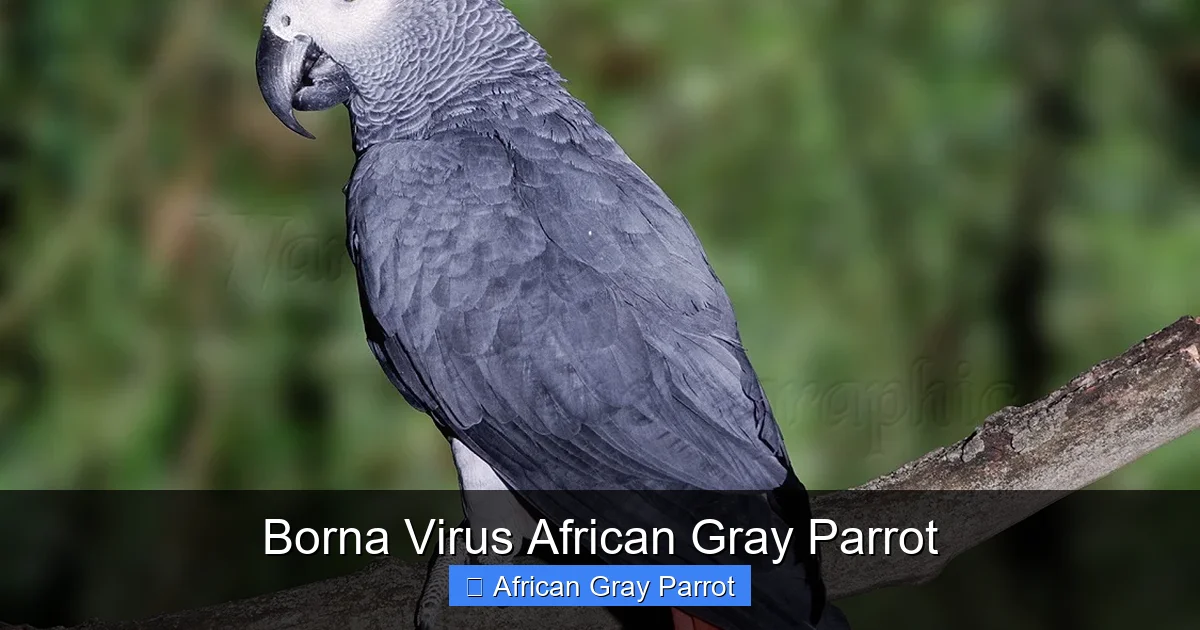
Borna virus is a serious neurological disease affecting African Gray Parrots and other birds. Early detection and supportive care can improve outcomes, but prevention through quarantine and hygiene remains the best defense for your feathered companion.
Featured image for
Image source: warrenphotographic.co.uk
Borna virus, also known as avian bornavirus or proventricular dilatation disease (PDD), is a viral infection that targets the nervous system and digestive tract of parrots. African Gray Parrots are particularly susceptible to this condition. Understanding the signs, transmission routes, and management options helps owners protect their birds and respond quickly if illness appears.
📑 Table of Contents
- What Is Borna Virus in African Gray Parrots?
- How Do African Gray Parrots Catch Borna Virus?
- What Are the Symptoms of Borna Virus in African Gray Parrots?
- How Is Borna Virus Diagnosed?
- Can Borna Virus Be Treated?
- How Can I Prevent Borna Virus in My African Gray Parrot?
- What Is the Prognosis for an Infected African Gray Parrot?
- Should I Test My Healthy African Gray Parrot for Borna Virus?
- Conclusion
What Is Borna Virus in African Gray Parrots?
Borna virus is an RNA virus that causes inflammation in the nerves controlling the gastrointestinal tract and brain. In African Gray Parrots, the virus often leads to proventricular dilatation disease, where the stomach becomes enlarged and loses its ability to move food properly. The virus can also affect the brain, causing neurological signs.
Scientists have identified several genotypes of avian bornavirus. Genotype 1 and 2 are most common in parrots. African Gray Parrots appear to be highly sensitive to infection, though not every exposed bird develops clinical disease. Some birds carry the virus without showing symptoms for months or years.
How Do African Gray Parrots Catch Borna Virus?
Transmission occurs through direct contact with infected feces, feather dust, or respiratory secretions. The virus can spread when birds share food bowls, perches, or cage space. Vertical transmission from parent to chick through the egg is also possible.
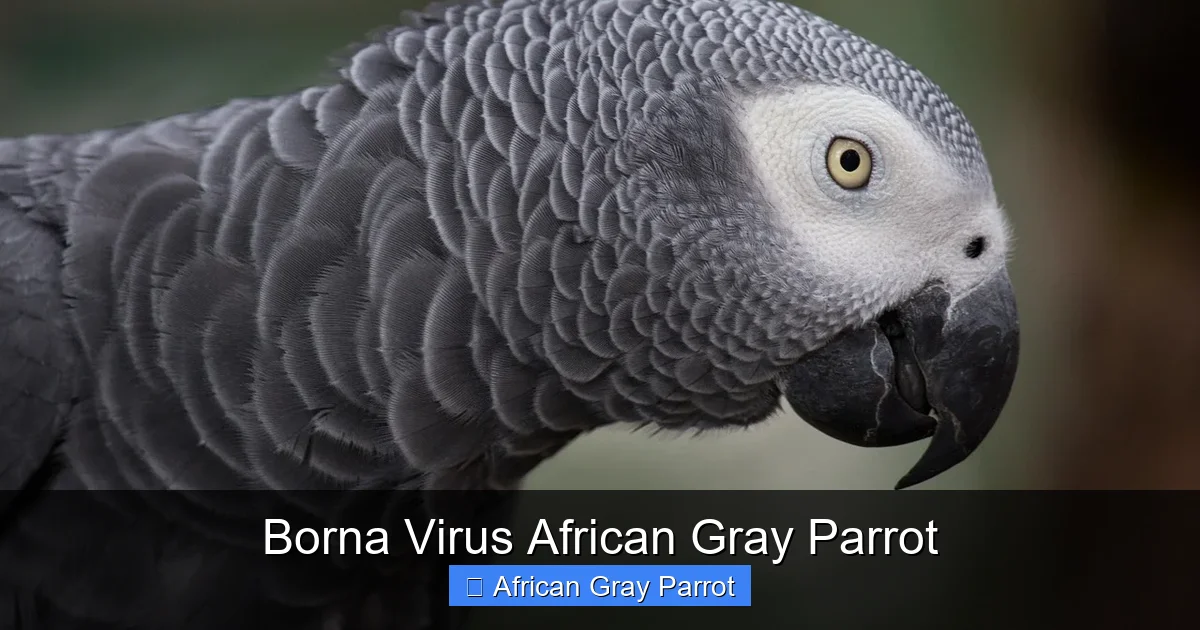
Visual guide about
Image source: cdn.pixabay.com
Birds in multi-bird households, breeding facilities, or rescue situations face higher risk. New birds introduced without quarantine can bring the virus into a healthy flock. The virus survives in the environment for limited periods, making hygiene critical.
What Are the Symptoms of Borna Virus in African Gray Parrots?
Digestive signs often appear first. Watch for undigested seeds or pellets in droppings, regurgitation, weight loss despite good appetite, and a swollen crop. The proventriculus stretches as food accumulates, leading to the name “proventricular dilatation disease.”
Neurological signs include tremors, weakness, difficulty perching, seizures, and behavior changes such as aggression or depression. Some birds develop feather plucking or self-mutilation due to nerve pain. Symptoms may progress slowly or appear suddenly.
How Is Borna Virus Diagnosed?
Veterinarians use several tests. PCR testing of feces, crop swabs, or blood detects viral RNA. This is the most common live-bird test. Antibody testing shows exposure but not necessarily active disease. Crop biopsy provides definitive diagnosis but requires anesthesia and surgery.
X-rays may show an enlarged proventriculus. Blood work helps rule out other causes of weight loss and neurological signs. A combination of clinical signs, positive PCR, and ruling out other diseases leads to a presumptive diagnosis.
Can Borna Virus Be Treated?
No cure eliminates the virus completely. Treatment focuses on supportive care and managing symptoms. Anti-inflammatory drugs like celecoxib or meloxicam reduce nerve inflammation. Prokinetic medications help move food through the digestive tract.
Dietary changes are essential. Soft, easily digestible foods reduce the workload on the compromised stomach. Frequent small meals prevent overfilling. Some birds benefit from tube feeding during severe episodes. Stress reduction and a stable environment support immune function.
How Can I Prevent Borna Virus in My African Gray Parrot?
Quarantine new birds for at least 60 days, ideally 90 days. Test new arrivals with PCR before introducing them to your flock. Maintain strict hygiene: separate food bowls, clean cages daily, and avoid sharing toys between birds of unknown status.
Limit exposure to wild birds and outdoor aviaries where contact with infected birds is possible. Wash hands and change clothes after handling other birds. Regular veterinary check-ups catch early signs. Breeding pairs should both test negative before pairing.
What Is the Prognosis for an Infected African Gray Parrot?
Prognosis varies widely. Some birds live for years with managed symptoms. Others decline rapidly despite treatment. Neurological involvement carries a poorer outlook than purely digestive signs. Early diagnosis and aggressive supportive care improve survival time and quality of life.
Birds that remain stable on medication and diet can enjoy good quality of life. Regular monitoring catches changes early. Euthanasia may become necessary if suffering cannot be controlled. Each case is individual, and your avian veterinarian guides decisions based on your bird’s specific situation.
Should I Test My Healthy African Gray Parrot for Borna Virus?
Routine screening of asymptomatic birds is debated. PCR testing can detect carriers, but false negatives occur if the bird is not actively shedding. A single negative test does not guarantee freedom from infection. Testing is most valuable before introducing a new bird, when symptoms appear, or in breeding programs.
Discuss testing strategy with your avian veterinarian. They consider your bird’s history, household risk factors, and local prevalence. In high-risk situations, periodic screening may be recommended. In low-risk single-bird homes, testing may not be necessary without clinical signs.
Conclusion
Borna virus poses a serious threat to African Gray Parrots, but knowledge empowers owners to protect their birds. Quarantine, hygiene, and early veterinary care form the foundation of prevention and management. While no cure exists, many infected birds live comfortably with proper support. Stay vigilant for digestive and neurological changes, maintain a relationship with an avian veterinarian, and prioritize biosecurity when adding new feathered family members. Your African Gray Parrot depends on you for a safe, healthy life.