
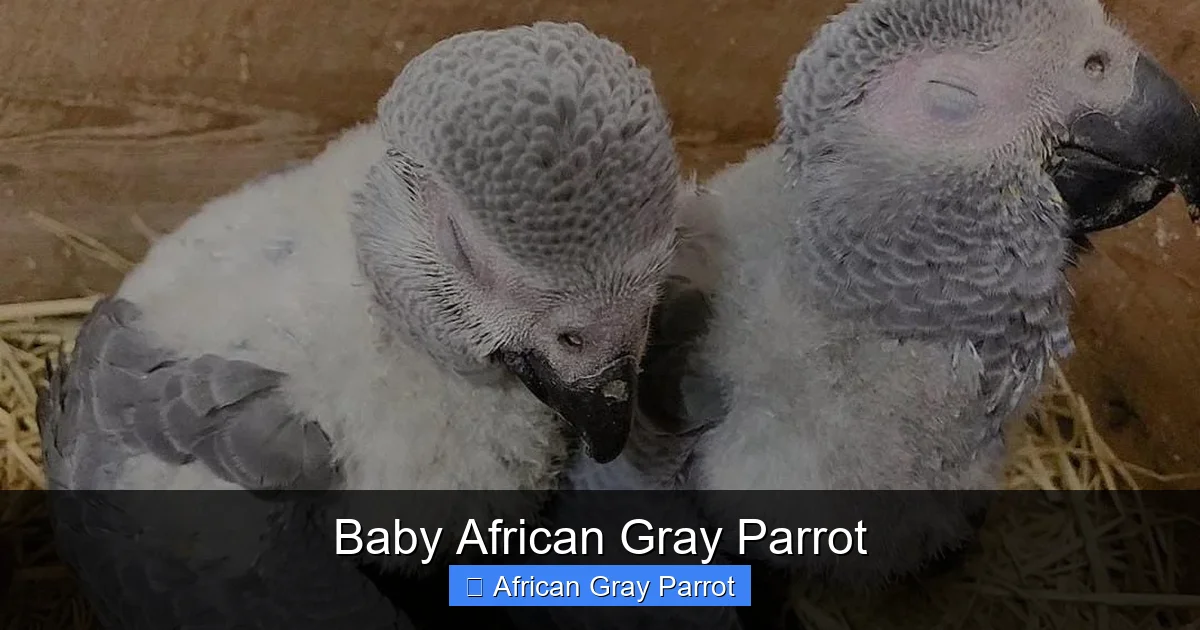
A baby African Gray Parrot needs a warm, safe environment and a specialized diet to thrive. Early socialization and gentle handling encourage talking and bonding. Regular vet checks keep common health issues at bay.
Featured image for
Image source: royalparrots.uk
Welcome to the complete guide on raising a baby African Gray Parrot. This Q&A covers housing, feeding, talking, and health basics for new owners.
📑 Table of Contents
What is a baby African Gray Parrot?
A baby African Gray Parrot is a young bird that has just hatched or is a few weeks old. It still depends on its parents or a hand‑feeding formula for nutrition. The feathers are soft and the eyes may be closed at first. This stage lasts until the bird can eat solid food on its own.
During this time the bird learns basic behaviors from its caregivers. Proper handling builds trust and reduces fear later in life. A calm, quiet space helps the chick feel secure.
How do you care for a baby African Gray Parrot?
Housing
Use a small, secure brooder with a heat source set around 95°F for the first week. Lower the temperature gradually as the chick grows. Keep the brooder clean and free of drafts.
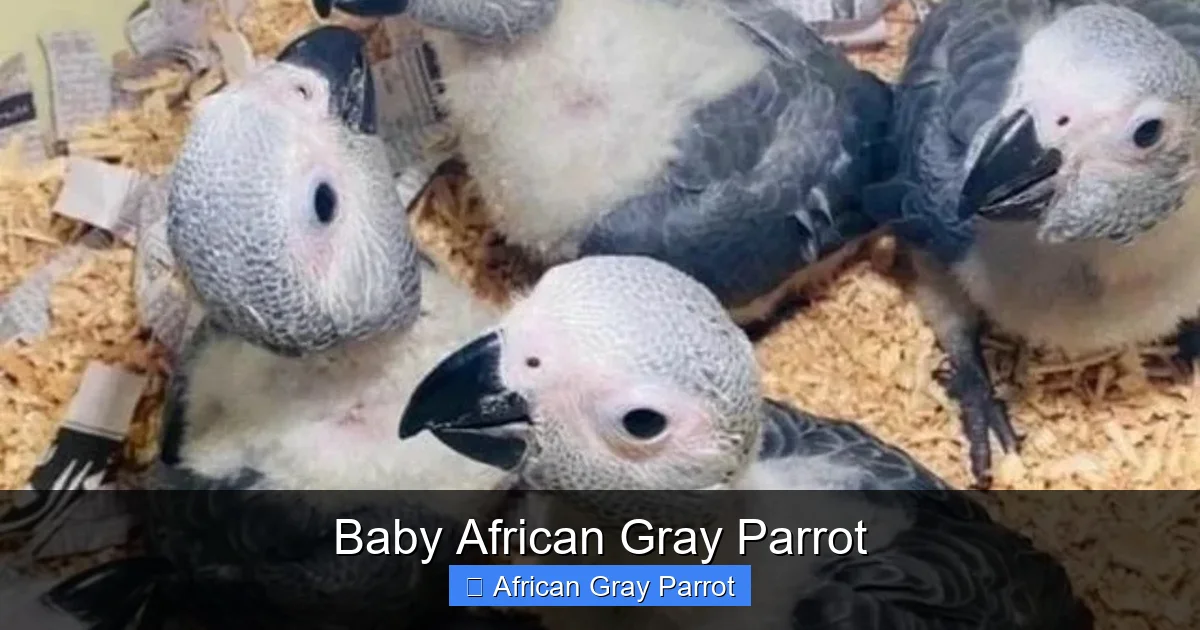
Visual guide about
Image source: birdstheory.com
Feeding
Hand‑feed a commercial psittacine formula every 2–3 hours. Follow the manufacturer’s mixing instructions exactly. Warm the formula to body temperature before each feeding.
Socialization
Spend short, gentle sessions talking to the chick and offering a finger for it to grasp. Avoid loud noises and sudden movements. Consistency builds confidence.
What should you feed a baby African Gray Parrot?
Start with a high‑quality hand‑feeding formula designed for parrots. As the bird matures, introduce soft fruits like banana and steamed vegetables such as carrots. Offer a small pellet mix once the chick can chew. Fresh water must be available at all times.
- Chocolate
- Avocado
- Caffeine
- Salty foods
These are toxic to parrots.
A varied diet supports healthy feather growth and brain development.
When does a baby African Gray Parrot start talking?
Most chicks begin mimicking sounds between 4 and 6 months of age. Early exposure to clear speech speeds up the process. Repetition and positive reinforcement encourage the bird to repeat words.
Some individuals may talk earlier, while others take longer. Patience is key. A quiet environment with regular conversation gives the best results.
What are common health issues in baby African Gray Parrots?
Respiratory infections can appear if the brooder is too cold or damp. Watch for sneezing, wheezing, or nasal discharge. Feather plucking may start from stress or boredom. Provide toys and interaction to prevent it.
Digestive upset often follows an abrupt diet change. Transition foods slowly over several days. Schedule a vet visit within the first month for a baseline health check.
Conclusion
Raising a baby African Gray Parrot takes time, warmth, and the right nutrition. Consistent handling and a safe home build a confident, talkative companion. Regular veterinary care catches problems early. Follow these steps and your new feathered friend will thrive.