
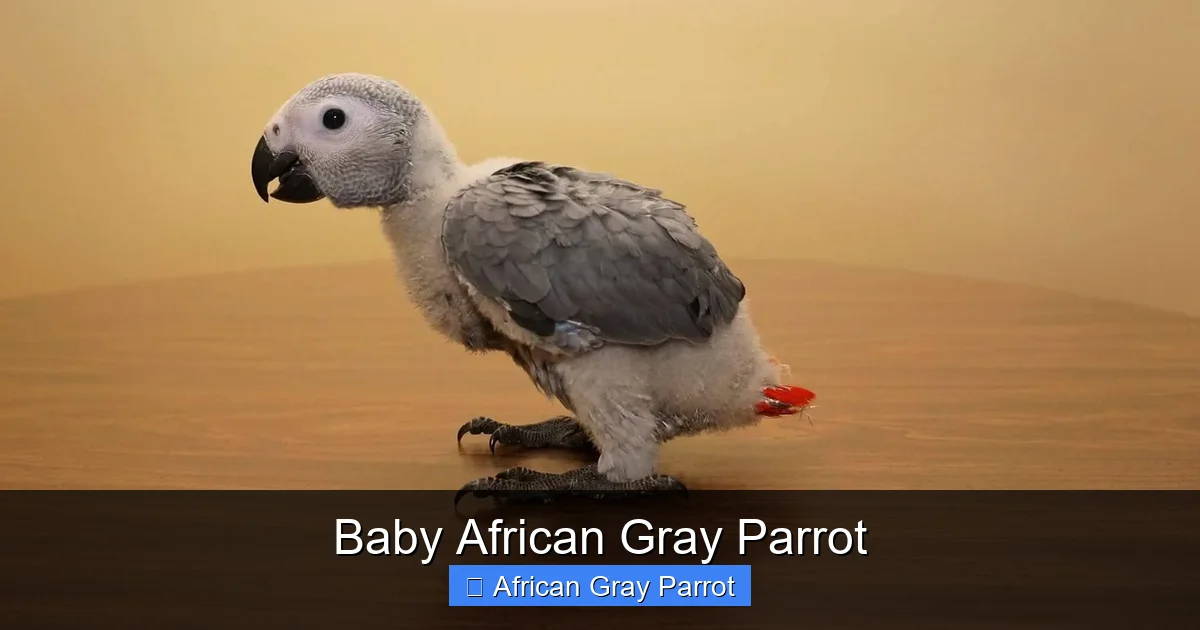
A baby African Gray Parrot needs a specialized diet, frequent social interaction, and a safe environment to thrive. Early training and regular vet checks set the foundation for a well‑adjusted, talkative companion.
Featured image for
Image source: i.pinimg.com
Bringing a baby African Gray Parrot into your home is exciting, but it also comes with specific responsibilities. These intelligent birds require proper nutrition, daily mental stimulation, and a secure habitat from day one. The following questions cover the most common concerns new owners have.
📑 Table of Contents
- What should I feed a baby African Gray Parrot?
- How do I socialize and bond with my baby African Gray Parrot?
- What training basics work best for a baby African Gray Parrot?
- How do I set up a safe cage and environment?
- What health signs should I watch for?
- When should I schedule the first veterinary visit?
- Conclusion
What should I feed a baby African Gray Parrot?
A hand‑feeding formula designed for psittacines is the primary food for the first 8–12 weeks. Mix the formula to a warm, pudding‑like consistency and offer it every 3–4 hours using a syringe or spoon.
Transition to solid foods
Around week 10, introduce soft fruits (mashed banana, papaya), steamed vegetables (carrots, sweet potato), and high‑quality pellets. Offer a small variety daily and watch for preferences. Remove uneaten fresh food after a few hours to prevent spoilage.
How do I socialize and bond with my baby African Gray Parrot?
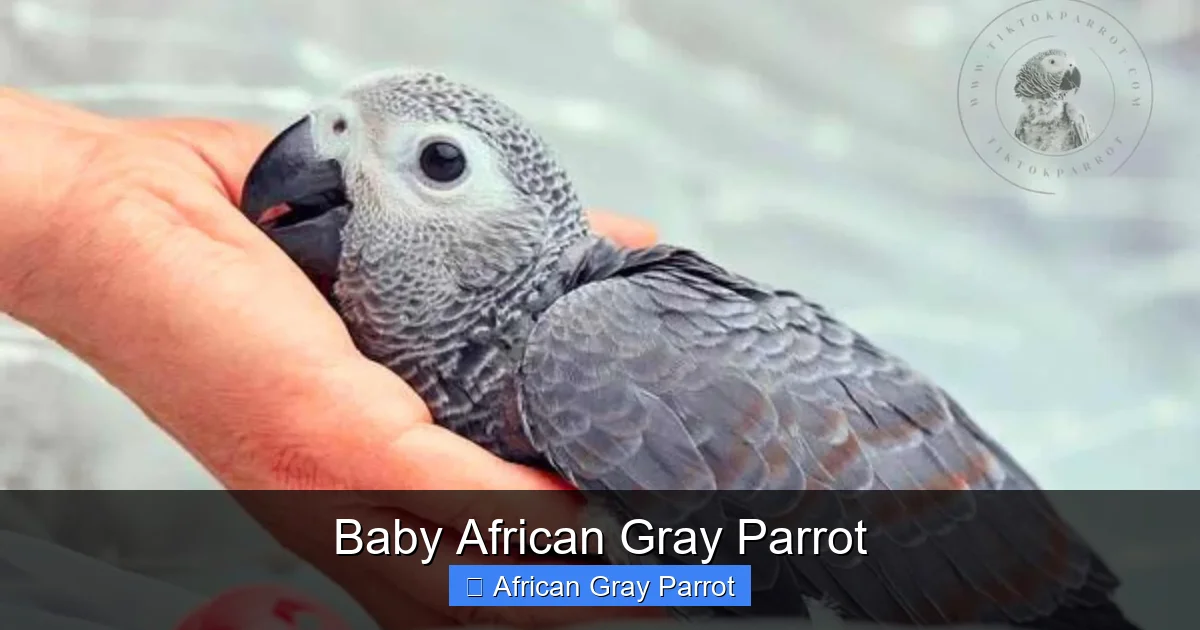
Spend at least 30 minutes several times a day talking softly, offering treats from your hand, and allowing the bird to explore a safe play area. Consistency builds trust faster than long, infrequent sessions.
Visual guide about
Image source: tiktokparrot.com
Use a calm voice and avoid sudden movements. Let the parrot step onto your finger voluntarily; never force contact. Positive reinforcement with a favorite seed or a gentle head scratch reinforces friendly behavior.
What training basics work best for a baby African Gray Parrot?
Start with simple target training: hold a small stick and reward the bird when it touches the tip with its beak. This teaches focus and creates a communication bridge for future tricks.
Teach “step up” and “step down” early; these cues make handling and cage cleaning stress‑free. Keep sessions under 5 minutes, ending on a success to keep the bird eager for the next round.
How do I set up a safe cage and environment?
Choose a cage at least 24 × 24 × 36 inches with horizontal bars for climbing. Provide multiple perches of varying diameters, a shallow water dish, and a separate food bowl.
- Place the cage away from drafts, direct sunlight, and kitchen fumes.
- Add chew‑safe toys (untreated wood, cardboard) to prevent boredom.
- Cover the cage at night with a breathable cloth to mimic a natural roost.
What health signs should I watch for?
Healthy chicks have bright eyes, smooth feathers, and steady weight gain (about 5–10 grams per day). Any sudden lethargy, ruffled feathers, or changes in droppings warrant attention.
Common issues include respiratory infections (sneezing, nasal discharge) and crop stasis (food not moving). Early detection improves outcomes dramatically.
When should I schedule the first veterinary visit?
Book an avian vet appointment within the first two weeks after bringing the bird home. The vet will perform a physical exam, baseline blood work, and discuss vaccination or parasite prevention plans.
Bring a sample of the hand‑feeding formula and a record of feeding times. Regular check‑ups every 6–12 months keep your baby African Gray Parrot on a healthy trajectory.
Conclusion
Raising a baby African Gray Parrot is a rewarding journey that hinges on proper nutrition, consistent socialization, early training, a secure habitat, vigilant health monitoring, and timely veterinary care. By following these guidelines, you’ll help your feathered friend grow into a confident, talkative companion for many years.