
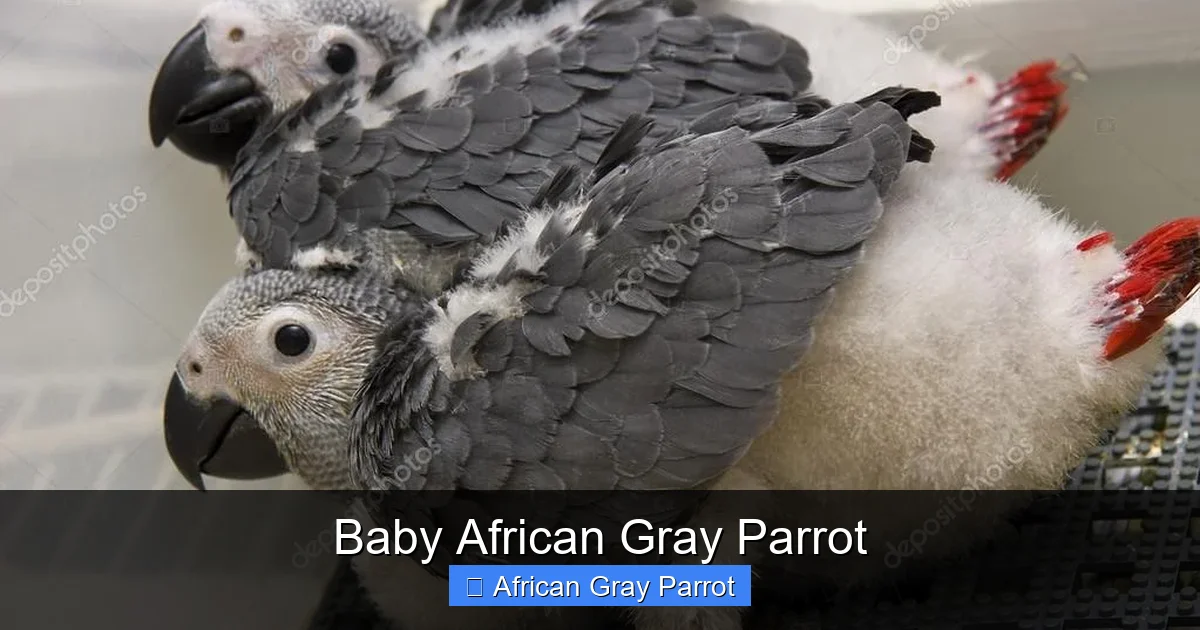
A baby African Gray Parrot needs a balanced diet, a spacious cage, and daily social interaction to thrive. Early training and regular vet visits help prevent behavioral problems and ensure a long, talkative life.
Featured image for
Image source: st.depositphotos.com
Bringing home a baby African Gray Parrot is exciting. These birds are smart, social, and can learn many words. Proper care from day one sets the stage for a happy, talkative companion.
📑 Table of Contents
What should I feed a baby African Gray Parrot?
A baby African Gray Parrot needs a high‑quality hand‑feeding formula until it is fully weaned. Choose a formula made for medium‑size parrots and follow the manufacturer’s mixing instructions.
After weaning, offer a pellet base supplemented with fresh fruits, vegetables, and a small amount of nuts. Avoid chocolate, avocado, and caffeine.
Sample feeding schedule
- Morning: formula or pellets + chopped apple
- Midday: fresh veggies like carrots and broccoli
- Evening: pellets + a few almond pieces
How do I set up the cage for a baby African Gray Parrot?
Select a cage at least 24 inches wide, 24 inches deep, and 36 inches tall. Bar spacing should be ½ inch to prevent escapes.
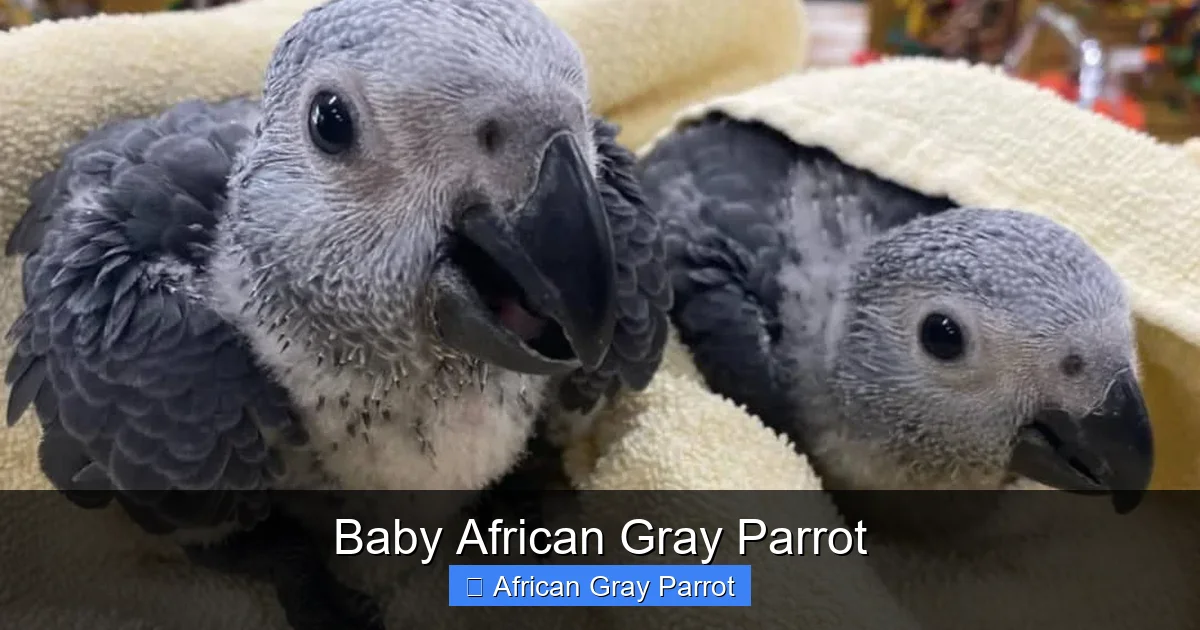
Visual guide about
Image source: tamedparrotsfarm.co.uk
Place perches of varying diameters, a sturdy rope swing, and a shallow water dish. Keep the cage in a quiet room with natural light but no direct drafts.
Essential cage accessories
- Natural wood perches
- Foraging toys
- Cuttlebone for calcium
When should I start training and socialization?
Begin gentle handling the first day. Short sessions of 5‑10 minutes build trust without overwhelming the bird.
Introduce simple commands like “step up” and reward with a favorite treat. Daily interaction prevents fear and encourages talking.
Simple training steps
- Offer hand, say “step up”
- Give treat when bird complies
- Repeat twice daily
What health checks does a baby African Gray Parrot need?
Schedule a vet visit within the first week. The vet will check weight, feather condition, and run a baseline blood panel.
Monitor droppings, appetite, and breathing daily. Early detection of respiratory issues or feather plucking saves lives.
Common signs of illness
- Fluffed feathers for long periods
- Loss of appetite
- Changes in droppings color
How can I encourage talking and mimicry?
Speak clearly and repeat words during routine activities. The bird learns best when it hears the same phrase in context.
Play recordings of human speech for short periods. Reward any vocal attempt with praise or a treat.
Conclusion
Raising a baby African Gray Parrot requires proper nutrition, a safe cage, early training, regular vet care, and consistent social interaction. Follow these steps and your bird will grow into a confident, chatty companion.