
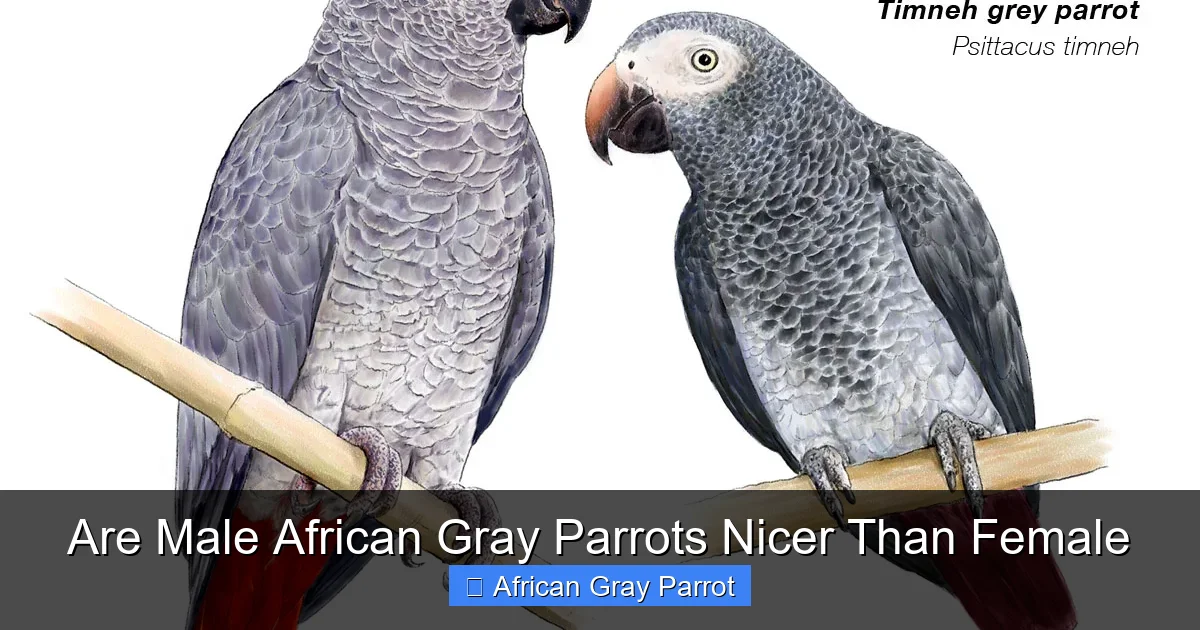
There is no scientific evidence that male African Grey parrots are inherently nicer than females. Individual personality, upbringing, and socialization matter far more than sex when determining a bird’s temperament and suitability as a companion.
Featured image for
Image source: africageographic.com
Many prospective parrot owners wonder if one sex makes a better pet. The short answer: sex does not determine personality in African Grey parrots. Both males and females can be affectionate, talkative, and well-adjusted companions. What truly shapes a bird’s behavior is early socialization, consistent training, and the quality of care it receives.
📑 Table of Contents
- Is There a Personality Difference Between Male and Female African Greys?
- Do Male African Greys Talk Better Than Females?
- Are Female African Greys More Aggressive During Breeding Season?
- Do Males Bond to One Person While Females Bond to the Family?
- How Can You Tell the Sex of an African Grey?
- What Should You Look for When Choosing an African Grey?
- Conclusion
Is There a Personality Difference Between Male and Female African Greys?
No reliable scientific studies support the claim that one sex is friendlier, calmer, or more affectionate. Anecdotal reports from owners vary widely. Some swear males are cuddlier. Others insist females are more independent. These observations usually reflect individual birds, not sex-based traits.
African Greys are individuals first. A hand-raised, well-socialized female will typically be friendlier than a neglected male. Conversely, a male raised with patience and positive reinforcement will outshine a female that lacked early handling. Focus on the bird’s history, not its chromosomes.
Hormonal cycles can influence behavior in both sexes. Females may become territorial during breeding season. Males can display increased vocalization or mating behaviors. These are seasonal, not permanent personality traits. Proper management minimizes hormonal issues regardless of sex.
Do Male African Greys Talk Better Than Females?
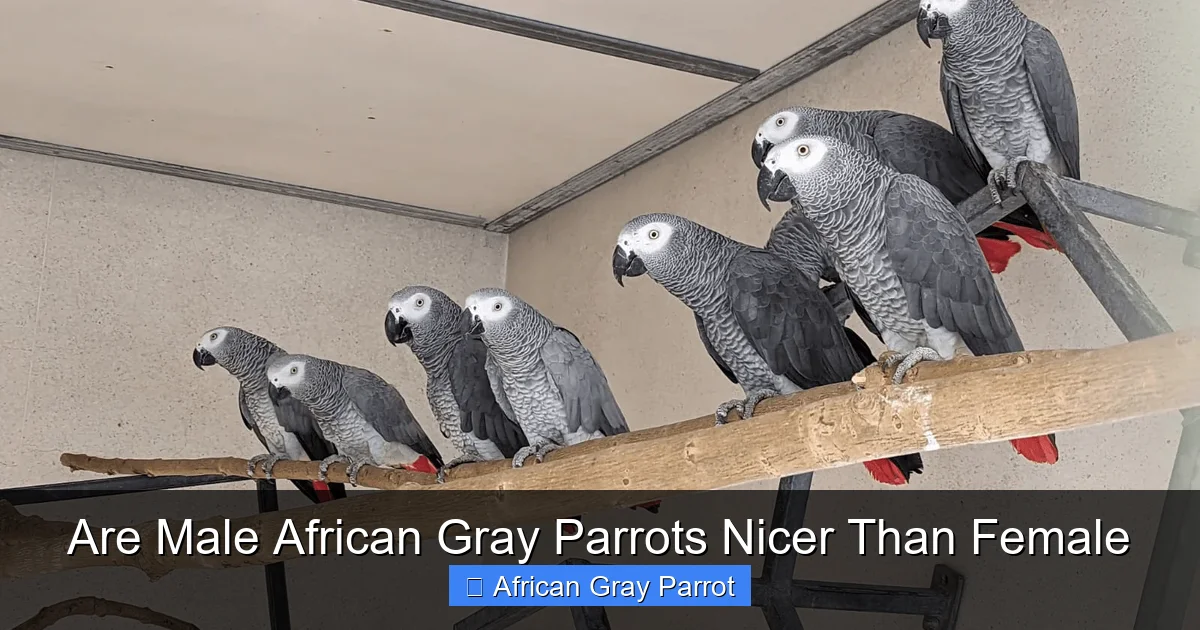
This is a persistent myth. Both sexes are exceptional mimics. African Greys are widely considered the best talking parrots, and sex plays no proven role in vocabulary size or clarity. Individual aptitude, exposure to speech, and training consistency determine talking ability.
Visual guide about
Image source: a.storyblok.com
Some owners report their male talks more. Others say their female has a larger vocabulary. These differences reflect personality and environment. A bird that hears frequent, clear speech and receives praise for mimicking will talk more — male or female.
If talking ability is a priority, choose a bird from a breeder who socializes chicks with human speech daily. Ask to meet the parents. A talking parent often indicates a talking offspring, regardless of sex.
Are Female African Greys More Aggressive During Breeding Season?
Females can become territorial when hormonal, especially if they perceive a nesting site. They may defend a cage corner, a box, or even a favorite person. This behavior is instinctive, not a character flaw. It typically passes when the season ends.
Males also experience hormonal surges. They may regurgitate for owners, masturbate on toys, or scream more. Some become nippy if overstimulated. Neither sex has a monopoly on seasonal mood swings.
Manage hormones by limiting daylight to 10-12 hours, removing nest-like spaces, avoiding excessive petting on the back or under wings, and providing plenty of foraging and exercise. These strategies work for both sexes.
Do Males Bond to One Person While Females Bond to the Family?
Another common belief — but not a rule. African Greys often form a strong primary bond with one person, regardless of sex. This “one-person bird” tendency stems from their intelligence and social nature, not gender.
However, birds socialized with multiple people from a young age often accept handling from several family members. The key is consistent, positive interaction from everyone. If only one person feeds, trains, and plays with the bird, that bird will prefer that person — male or female.
To encourage a family-friendly bird, involve all household members in daily care. Rotate who offers treats, training sessions, and out-of-cage time. This builds trust across the board.
How Can You Tell the Sex of an African Grey?
African Greys are not sexually dimorphic. You cannot reliably sex them by appearance. DNA testing (blood or feather sample) is the only accurate method. Surgical sexing is outdated and invasive. Most reputable breeders provide DNA certificates with young birds.
If adopting an adult of unknown sex, a simple DNA test costs $20-$30 and takes days. Knowing the sex helps with veterinary care — females can develop egg-binding — but it should not drive your choice of companion.
What Should You Look for When Choosing an African Grey?
Prioritize these factors over sex:
- Health: Bright eyes, clean feathers, active posture, no discharge.
- Socialization: Comfortable with human approach, steps up willingly, not fearful.
- Weaning status: Fully weaned, eating pellets, vegetables, and some seed.
- Breeder reputation: Clean facility, knowledgeable, offers support after sale.
- Parent health: Ask to see the parents if possible.
Spend time with the bird before committing. Observe how it responds to you. A curious, engaged bird — male or female — is a better predictor of a good match than any generalization.
Conclusion
The idea that male African Greys are nicer than females is a myth. Personality is shaped by upbringing, not biology. Both sexes can be loving, talkative, lifelong companions. Both can develop behavioral issues without proper care. Choose your bird based on health, socialization, and connection — not sex. With patience, training, and love, either a male or female African Grey will enrich your life for decades.