
Key Takeaways
- Visual cues are subtle: Size, head shape, and tail color differ slightly between sexes.
- Behavior hints at sex: Males often talk more; females show nesting behavior.
- DNA testing is the gold standard: A feather or blood sample yields 99.9 % accuracy.
- Surgical sexing is rarely needed: Endoscopy or laparoscopy carries anesthesia risk.
- Record the result: Keep the sex, date, and method in the bird’s health file.
- Adjust care by sex: Females may need extra calcium; males may need more mental enrichment.
Introduction
Welcome to this complete guide on how to sex African gray parrots. You will learn several methods that range from simple observation to laboratory testing. Each method is explained in clear steps. The goal is to give you confidence in identifying the sex of your bird.
Why Knowing the Sex Is Important
Sex determines breeding potential. A male and a female are needed for fertile eggs. Same‑sex pairs will not produce offspring. Sex also influences health care. Females need extra calcium during egg laying. Males may show territorial aggression during breeding season. Knowing the sex helps you plan diet, housing, and veterinary care.
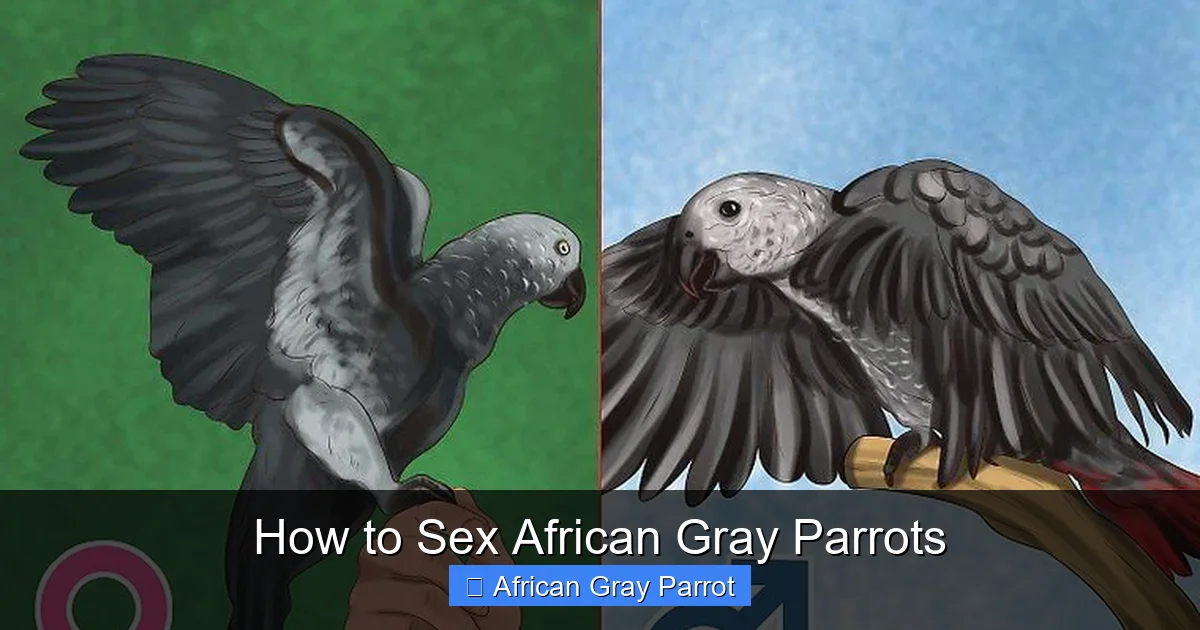
Visual guide about How to Sex African Gray Parrots
Image source: africageographic.com
Step 1: Observe Physical Traits
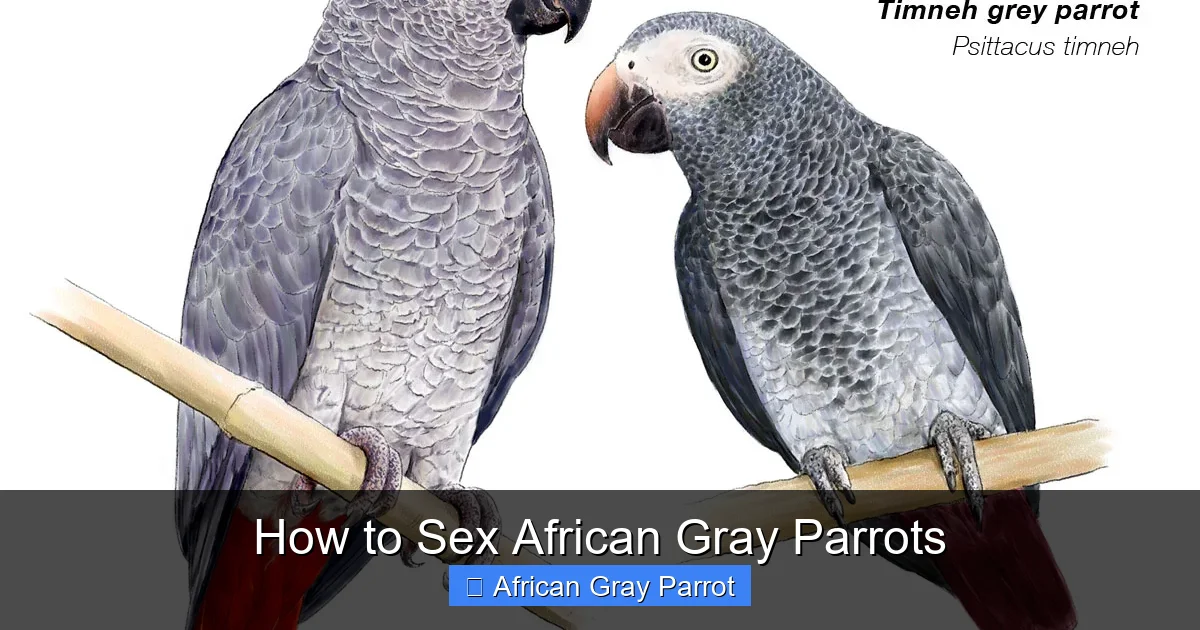
African gray parrots show subtle physical differences. Males are often a little larger. Their heads can appear broader. The tail feathers may show a brighter red hue in males. Females sometimes have a slightly duller tail. These traits overlap, so they are not definitive.

Visual guide about How to Sex African Gray Parrots
Image source: wildbirdlady.com
Size and Weight
Weigh the bird on a digital scale. Record the weight in grams. Typical male weight ranges from 400 to 500 grams. Typical female weight ranges from 350 to 450 grams. Overlap is common. Use weight as a supporting clue only.
Head Shape
View the bird from the front. Males may have a flatter forehead. Females may show a gentle rounding at the crown. Lighting can affect perception. Take photos for comparison.
Feather Color
Inspect the tail feathers in natural daylight. A vivid red band often indicates a male. A paler band often indicates a female. Feather wear can change color. Compare with known reference images.
Eye Ring and Iris
Some birds show a faint difference in iris shade. This sign is unreliable across the species. Treat it as a minor hint only.
Step 2: Watch Behavioral Patterns
Behavior can give clues about sex. Males tend to vocalize more often. They may whistle, mimic words, and perform courtship displays. Females often show nesting behavior such as shredding paper or hiding in a box. These patterns become clearer after the bird reaches sexual maturity.
Vocalizations
Listen for frequent whistling. Note the variety of sounds. Males usually have a larger repertoire. Females can also talk but often less persistently.
Nesting Behavior
Observe the bird in its cage. Females may gather nesting material. They may defend a corner. Males rarely engage in nest building.
Courtship Displays
Watch for head bobbing, feather ruffling, and food offering. Males perform these displays toward a potential mate. Females may accept or ignore the advances.
Step 3: Use DNA Testing for Definitive Results
DNA testing is the gold standard for how to sex African gray parrots. It analyzes the bird’s chromosomes. The test works on a feather, a drop of blood, or an eggshell membrane. Accuracy exceeds 99.9 percent.
Collecting a Feather Sample
Choose a fresh contour feather from the chest. Pull it gently with clean tweezers. Place the feather in a paper envelope. Do not use plastic because moisture can degrade DNA. Label the envelope with the bird’s name and date.
Collecting a Blood Sample
A veterinarian can take a tiny blood drop from the toenail. The procedure is quick and causes minimal stress. The blood is placed on a special collection card. The card is then mailed to the lab.
Choosing a Reputable Lab
Select a lab that specializes in avian genetics. Check for accreditation and customer reviews. Typical turnaround is three to five business days. Some labs offer express service for an extra fee.
Reading the Report
The report will list the sex as male (ZZ) or female (ZW). Keep a printed copy in the bird’s health file. Store the digital copy as a backup.
Step 4: Consider Surgical Sexing Only When Necessary
Surgical sexing involves endoscopy or laparoscopy under anesthesia. A vet inserts a tiny camera to view the gonads. This method is invasive and carries anesthesia risk. It is rarely needed today because DNA testing is non‑invasive and highly accurate.
When Surgery Might Be Used
Surgery is considered only if a sample cannot be obtained. For example, a bird with severe feather damage or a health condition that prevents blood draw. Most owners never need this option.
Risks and Recovery
Anesthesia complications can occur. Recovery usually takes a few days. The bird must be kept warm and quiet. Follow all post‑operative instructions from the vet.
Step 5: Veterinary Endoscopy as a Less Invasive Alternative
Endoscopy uses a flexible scope inserted through the cloaca. The vet visualizes the reproductive tract directly. Light sedation is required. The procedure lasts about ten to fifteen minutes.
Advantages
Direct visual confirmation of testes or ovaries. No laboratory wait time.
Disadvantages
Requires specialized equipment and an experienced avian veterinarian. Higher cost than DNA testing. Sedation carries a small risk.
Step 6: Interpret Results and Update Care Plans
Once you have a confirmed sex, record it immediately. Update the bird’s medical record. Adjust nutrition, enrichment, and breeding strategy based on the sex. For details on creating the ideal living space, learn how to build an aviary for African Gray Parrots.
Record Keeping
Write the sex, date of testing, and method used. Attach the DNA report or vet note. This information is valuable for future caregivers.
Nutritional Adjustments
Females may need a calcium supplement during the breeding season. Provide a cuttlebone or a calcium powder. Males benefit from a balanced diet with adequate protein for feather health.
Enrichment Tailored to Sex
Males often enjoy interactive toys that encourage vocal play. Females may prefer foraging puzzles that simulate nest building. Observe preferences and rotate toys regularly.
Breeding Decisions
Pair a confirmed male with a confirmed female. Avoid housing two males together if breeding is not desired. Monitor the pair for aggression during the breeding season.
Troubleshooting Common Issues
Sometimes visual cues conflict. DNA results may be inconclusive if the sample is degraded. Young birds can display mixed behaviors. Here are solutions.
Conflicting Visual Cues
If size and head shape disagree, trust the DNA result. Visual traits vary widely among individuals.
Failed DNA Sample
A feather that is old or contaminated will not yield DNA. Collect a fresh feather or request a blood draw from your vet. Resubmit the sample promptly.
Behavior Not Matching Sex
Juvenile parrots mimic both sexes. Hormonal surges can cause temporary changes. Wait until the bird is at least three years old before relying on behavior.
Additional Tips for Accurate Sexing
Use consistent lighting when photographing feathers. Keep a log of weight, behavior, and feather condition. Share observations with your avian veterinarian. Combining several methods gives the highest confidence.
Lighting and Photography
Natural daylight shows true feather hue. Avoid flash which can wash out color. Store photos with date stamps for future comparison.
Regular Weight Checks
Weigh the bird once a month. Track trends rather than single numbers. Sudden weight loss or gain can signal health problems.
Consult an Avian Specialist
A vet experienced with parrots can spot subtle signs. Schedule a wellness visit before the breeding season. Discuss any concerns about sex determination.
Preparing for DNA Sampling
Preparation reduces stress and improves sample quality. Gather clean tweezers, paper envelopes, and labels ahead of time. Choose a calm time of day. Handle the bird gently. Speak softly. Reward the bird with a favorite treat after sampling.
Feather Collection Checklist
- Clean tweezers
- Paper envelopes
- Waterproof label
- Pen with permanent ink
- Gloves (optional)
Blood Collection Checklist
- Veterinarian appointment
- Collection cards provided by lab
- Styptic powder for minor bleeding
- Comfort items for the bird
Understanding Avian Chromosomes
Birds use a ZW sex‑determination system. Males have two Z chromosomes (ZZ). Females have one Z and one W chromosome (ZW). DNA tests detect the presence of the W chromosome. This genetic basis makes DNA testing highly reliable for how to sex African gray parrots.
Common Myths About Sexing Parrots
Myth: Only males talk. Fact: Females can also learn words. Myth: Tail color alone tells sex. Fact: Tail color varies with diet and lighting. Myth: Surgery is the only sure method. Fact: DNA testing is non‑invasive and equally accurate.
When to Seek Professional Help
If you cannot collect a clean sample, contact an avian veterinarian. If the bird shows signs of illness, delay testing until it recovers. If you plan to breed, a vet can perform a full reproductive evaluation.
Long‑Term Monitoring
Sex does not change, but health needs do. Re‑evaluate diet and enrichment each year. Keep a yearly log of weight, feather condition, and behavior. Update the vet at each check‑up.
Seasonal Considerations
Breeding season influences behavior. In spring, males sing more. Females show stronger nesting drive. Testing during this period can make behavioral clues clearer. However, DNA testing works year round. Plan visual checks in the morning when birds are active.
Hormone Testing
Some labs offer hormone panels that measure estrogen and testosterone. A blood sample is required. Hormone levels can confirm sex in ambiguous cases. This method is more expensive than DNA testing. Use it only when DNA results are inconclusive.
Resources and Further Reading
Below are trusted resources for how to sex African gray parrots. Each link leads to a reputable site or lab.
Avian DNA Laboratories
- Avian Biotech: Offers feather and blood DNA sexing with a three‑day turnaround.
- Genetic Veterinary Services: Provides a mail‑in kit and online results portal.
- BirdDNA.com: Specializes in parrot sexing and offers bulk discounts for breeders.
Books
- The African Grey Parrot Handbook by Margaret Wright – includes a chapter on sex determination.
- Parrots: A Guide to Care and Breeding by Rosemary Low – covers visual and genetic methods.
Online Communities
- African Grey Forum: Active discussion board where owners share sexing experiences.
- Avian Vet Network: Directory of avian veterinarians who perform endoscopy.
Case Study: Real World Example
Jane owned a pair of African gray parrots. She wanted to breed them. First she used visual cues. The male appeared slightly larger. The female showed nesting behavior. Jane then ordered a DNA kit. She collected a fresh chest feather from each bird. The lab returned results in four days. The report confirmed a male (ZZ) and a female (ZW). Jane set up a breeding cage with a nest box. The pair produced a clutch of three fertile eggs. All chicks hatched healthy. This case shows how combining observation with DNA testing gives reliable results.
Quick Reference Checklist
Use this checklist each time you need to sex a bird.
- Observe size, head shape, and tail color.
- Record vocalizations and nesting behavior for two weeks.
- Collect a fresh feather or schedule a blood draw.
- Send the sample to an accredited avian DNA lab.
- Record the result in the bird’s health file.
- Adjust diet, enrichment, and breeding plan based on sex.
- Consult an avian vet if results are unclear.
Cost Overview
Visual and behavioral checks cost nothing. DNA kits range from thirty to eighty dollars. Veterinary endoscopy can cost two hundred to five hundred dollars. Surgical sexing is the most expensive option. Choose the method that fits your budget and need for certainty.
Legal and Ethical Considerations
Some regions require permits for breeding parrots. Verify local laws before pairing birds. Always prioritize bird welfare. Avoid invasive procedures unless medically necessary.
Conclusion
You now know how to sex African gray parrots using several reliable methods. Start with easy visual and behavioral checks. Confirm with DNA testing for certainty. Use veterinary help when needed. Proper sexing leads to better care, successful breeding, and a happier bird.