
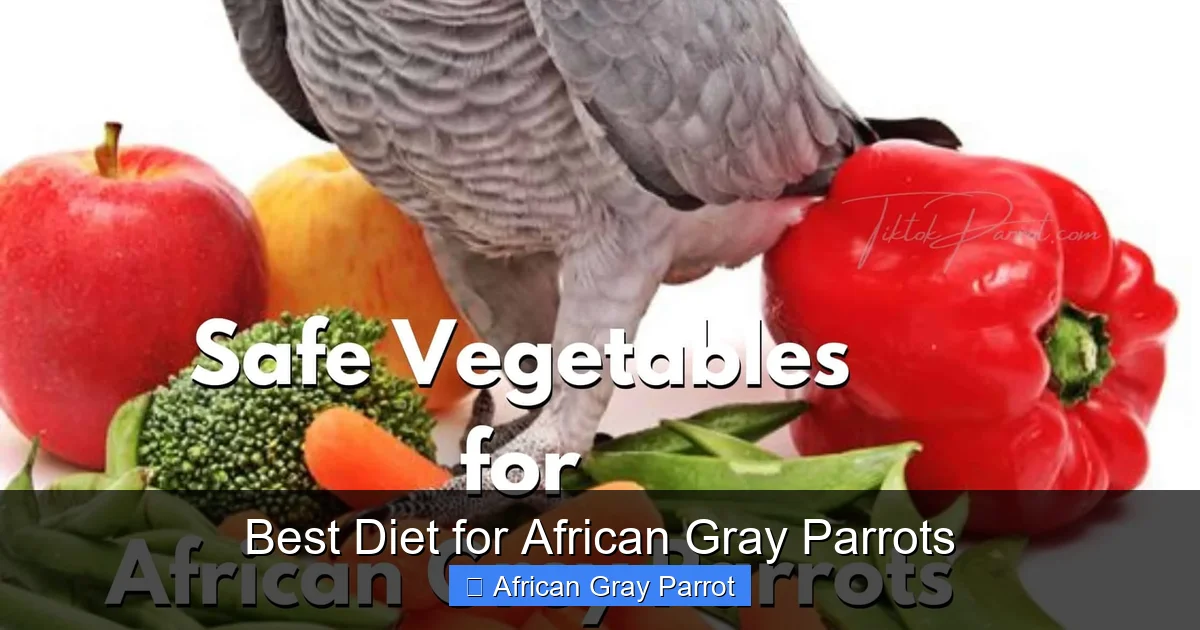
The best diet for African Gray Parrots centers on high-quality pellets supplemented with fresh vegetables, fruits, and healthy grains. Seeds and nuts should be limited to treats. A balanced diet prevents deficiencies, supports brain function, and promotes vibrant feathers and a long life.
Featured image for
Image source: tiktokparrot.com
African Gray Parrots are brilliant, sensitive birds with specific nutritional needs. Feeding them right is one of the most important things you can do for their health and happiness. This guide answers the most common questions about the best diet for African Gray Parrots so you can make confident choices every day.
📑 Table of Contents
- What Should Be the Base of an African Gray Parrot’s Diet?
- Which Fresh Vegetables Are Best for African Grays?
- Are Seeds and Nuts Okay for African Gray Parrots?
- Do African Gray Parrots Need Supplements?
- How Often Should I Feed My African Gray Parrot?
- What Foods Are Toxic to African Gray Parrots?
- How Do I Transition a Seed-Eating Bird to Pellets?
- Conclusion
What Should Be the Base of an African Gray Parrot’s Diet?
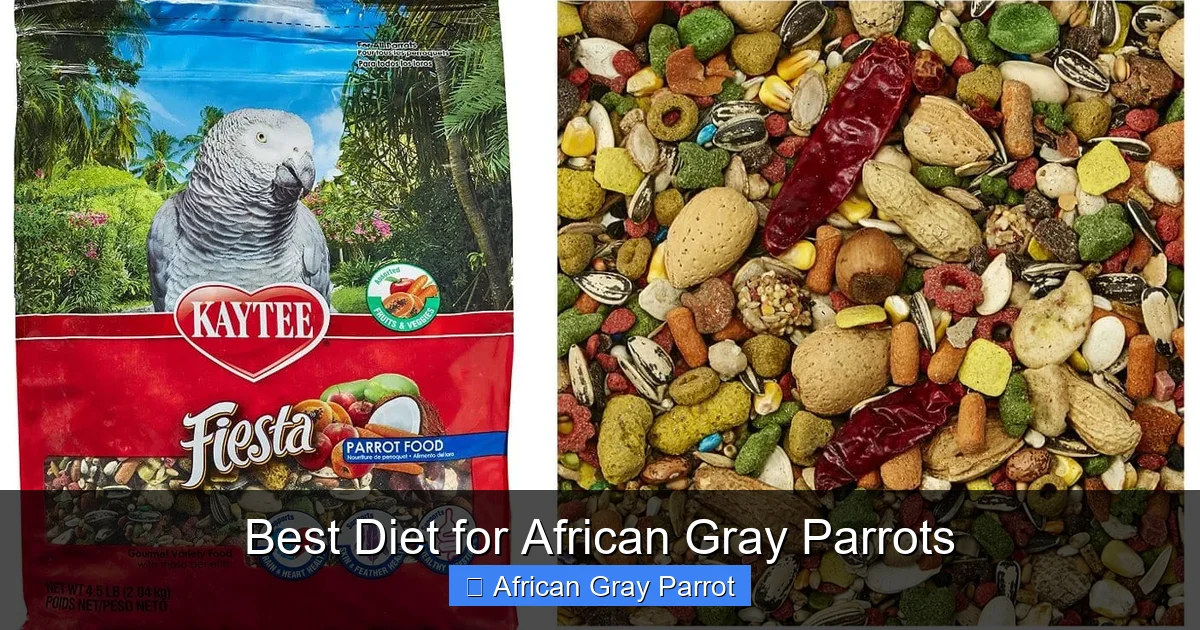
High-quality pellets should make up 60 to 70 percent of your bird’s daily intake. Pellets provide balanced vitamins, minerals, and protein in every bite. Choose a brand formulated for medium to large parrots with no artificial colors or added sugar. Harrison’s, Roudybush, and TOPS are trusted options. Avoid seed-only mixes. Seeds are high in fat and low in calcium and vitamin A. Birds often pick out favorites and miss key nutrients.
Which Fresh Vegetables Are Best for African Grays?
Dark leafy greens and orange vegetables are top choices. Offer kale, collard greens, mustard greens, and Swiss chard daily. Carrots, sweet potatoes, butternut squash, and red bell peppers provide beta-carotene for vitamin A. Broccoli, cauliflower, and Brussels sprouts add variety. Chop vegetables finely or serve in a “chop” mix. Rotate types weekly to keep meals interesting and nutrition broad.
Visual guide about
Image source: birdwatchinghq.com
Can I Feed Fruits Every Day?
Fruits are healthy but high in natural sugar. Limit fruit to 10 percent of the diet. Good picks include papaya, mango, berries, pomegranate, and kiwi. Remove pits and seeds from apples, cherries, and stone fruits. They contain cyanide compounds. Serve fruit fresh, not dried or canned. Dried fruit often has added sugar and preservatives.
Are Seeds and Nuts Okay for African Gray Parrots?
Seeds and nuts are treats, not staples. Use them for training rewards or foraging toys. Almonds, walnuts, and pistachios offer healthy fats but are calorie-dense. Limit to a few pieces per day. Sunflower and safflower seeds are high in fat. Overfeeding leads to obesity and fatty liver disease. Sprouted seeds are a healthier option. They are lower in fat and higher in enzymes.
Do African Gray Parrots Need Supplements?
If your bird eats a pellet-based diet with varied fresh foods, supplements are usually unnecessary. Calcium is the exception. African Grays are prone to hypocalcemia. Offer a cuttlebone or calcium block in the cage. A pinch of powdered calcium on moist food a few times a week helps. Vitamin D3 is needed for calcium absorption. Natural sunlight or a full-spectrum UVB lamp supports this. Never supplement blindly. Excess vitamins can cause toxicity.
What About Water and Hydration?
Fresh, clean water must be available at all times. Change it twice daily. Wash the bowl with hot, soapy water each time. Some parrots dunk food, which breeds bacteria. A water bottle reduces mess but check the tip daily for clogs. Offer a shallow bath dish or mist your bird several times a week. Bathing keeps feathers and skin healthy.
How Often Should I Feed My African Gray Parrot?
Offer fresh chop in the morning when hunger is highest. Remove uneaten fresh food after two to four hours to prevent spoilage. Pellets can stay in the cage all day. Provide a small evening meal of chop or a warm grain mix. Quinoa, brown rice, barley, and lentils cooked without salt are great additions. Feed at consistent times. Routine reduces stress and supports digestion.
What Foods Are Toxic to African Gray Parrots?
Never feed avocado, chocolate, caffeine, alcohol, onions, garlic, rhubarb, or mushrooms. Avoid salty, fried, or processed human foods. Xylitol, found in sugar-free gum and some peanut butters, is deadly. Fruit pits and apple seeds contain cyanide. When in doubt, leave it out. Keep a list of toxic foods on your fridge for quick reference.
How Do I Transition a Seed-Eating Bird to Pellets?
Go slow. Sudden changes cause stress and starvation. Start by mixing 10 percent pellets with 90 percent seeds. Increase pellets by 10 percent every few days. Offer pellets in a separate bowl. Eat a pellet yourself in front of your bird. Parrots learn by mimicry. Warm pellets slightly or moisten with a touch of juice to boost appeal. Weigh your bird weekly during transition. Weight loss over 5 percent means slow down.
Conclusion
The best diet for African Gray Parrots is built on quality pellets, diverse fresh vegetables, limited fruit, and rare seeds or nuts. Consistency, variety, and clean water are key. Avoid toxic foods. Supplement calcium wisely. Transition diets gradually. A well-fed African Gray shows bright eyes, smooth feathers, strong energy, and a curious mind. Feed with care, and your feathered companion will thrive for decades.