
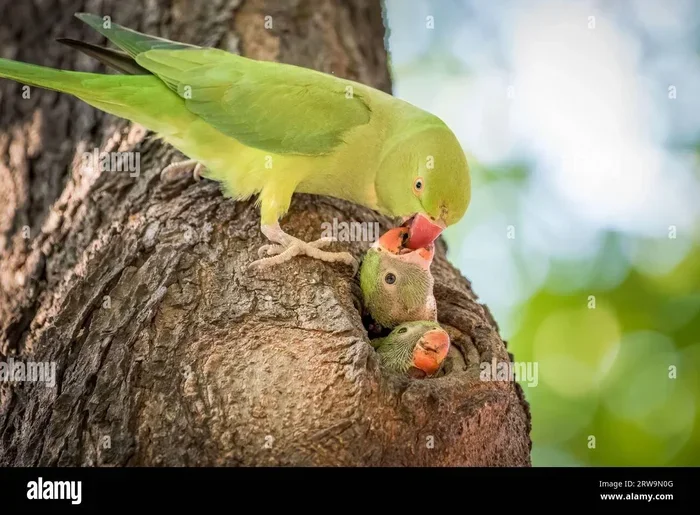
Featured image for Parrot feeding chick
Image source: c8.alamy.com
Parrots reproduce through a well‑orchestrated cycle of pair bonding, courtship, nesting, incubation, and chick rearing. Understanding each stage helps owners support healthy breeding and spot problems early.
Parrots are among the most colorful and intelligent birds on the planet. Their reproductive process is a fascinating blend of instinct, social bonding, and precise timing. In this guide we walk through every stage of how parrots reproduce, from the first flirtatious call to the moment a fledgling takes its first flight.
Whether you are a curious pet owner or an aspiring breeder, knowing the who, what, where, when, and why of parrot reproduction gives you the power to provide the best care. Let’s dive in.
Key Takeaways
- Sexual maturity varies: Most parrots reach breeding age between 2 and 5 years, depending on species.
- Pair bonds are lifelong: Once formed, many parrots stay with the same mate for life.
- Seasonal cues trigger breeding: Changes in daylight, temperature, and food availability signal the start of the reproductive cycle.
- Both parents share duties: Incubation, feeding, and protection are typically divided between the male and female.
- Nutrition is critical: A diet rich in calcium, vitamin D3, and protein supports egg formation and chick growth.
- Common issues include infertility and egg binding: Early veterinary intervention improves outcomes.
- Fledging marks independence: Young parrots leave the nest after 8–12 weeks, but continue learning from parents for months.
📑 Table of Contents
The Basics of Parrot Reproduction
Sexual Maturity
Most parrots do not breed until they reach a specific age. Small species like budgerigars can mature as early as six months, while large macaws may need three to five years. Did you know? A cockatiel typically reaches sexual maturity around 12 months, but full breeding readiness often appears closer to 18 months. Age alone does not guarantee success; health, diet, and social environment also play huge roles.
When a bird reaches maturity, hormonal changes trigger the development of reproductive organs. In males the testes enlarge, and in females the ovary becomes active. These changes are driven by the same environmental cues that signal the start of the breeding season.
Pair Bonding
Parrots are famously monogamous. Once a pair forms, they often stay together for life. The bond begins with mutual preening, synchronized movements, and shared food. Think of it like a long‑term dance partnership where each partner learns the other’s rhythm.
Strong pair bonds reduce stress and increase breeding success. In captivity, providing a compatible partner early on can prevent loneliness and behavioral problems. If a bird loses its mate, it may go through a mourning period before accepting a new partner.
Seasonal Triggers
In the wild, parrots breed when conditions are optimal. Lengthening daylight hours, rising temperatures, and abundant food all act as natural alarm clocks. In the home, you can mimic these cues by gradually increasing light exposure to 12–14 hours a day and offering a varied, nutrient‑dense diet.
Some species, like the African grey, are less seasonal and may breed year‑round if conditions stay constant. Understanding your specific species’ natural calendar helps you anticipate when breeding behavior will appear.
Courtship Rituals
Vocal Displays
Male parrots often serenade females with complex songs, whistles, and mimicry. These vocal performances serve two purposes: they advertise fitness and they strengthen the pair bond. A male that can imitate a wide range of sounds signals a healthy brain and good learning ability.
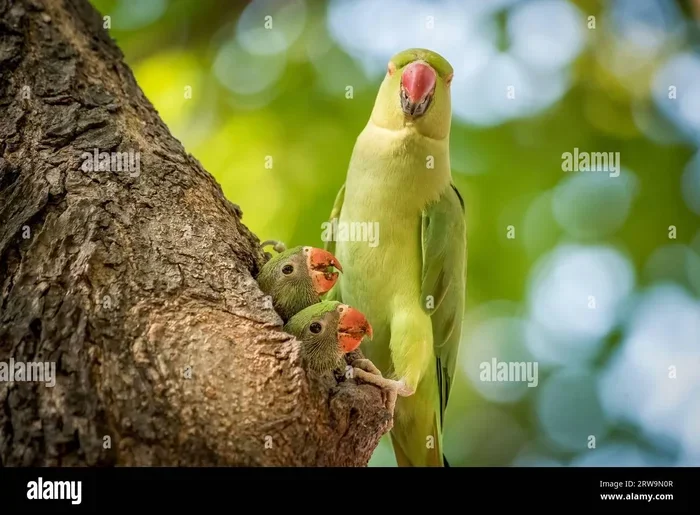
Visual guide about Parrot feeding chick
Image source: c8.alamy.com
Females respond with softer calls or by approaching the singer. In many species, the duet becomes a daily ritual that reinforces the partnership. If you hear your birds singing together at dawn, you’re witnessing a classic courtship concert.
Physical Displays
Beyond sound, parrots use body language to woo a mate. Head bobbing, wing spreading, tail fanning, and gentle beak tapping are common. Imagine a peacock spreading its feathers; parrots have their own version of a visual résumé.
These displays also help the pair synchronize their movements, which is crucial for coordinated nest building and chick feeding later on. Observing these behaviors lets you know the pair is ready to move to the next stage.
Gift Giving
Food offering is a universal love language among parrots. The male may present a choice seed, a piece of fruit, or even a small toy to the female. This gesture shows he can provide and protects the female while she invests energy in egg production.
In captivity, you can encourage this behavior by offering a variety of healthy treats during the breeding season. It also gives you a chance to monitor each bird’s appetite and health.
Nesting Behavior
Choosing a Nest Site
Parrots are cavity nesters. In the wild they seek hollow trees, cliff crevices, or abandoned woodpecker holes. In a home aviary, a wooden nest box with an entrance hole sized for the species replicates this environment.
The female usually inspects several sites before settling. She prefers a dark, secure space with a smooth interior. Providing multiple boxes lets the pair choose and reduces competition if you house several pairs.
Nest Construction
Once a site is chosen, both birds gather nesting material. They may shred bark, chew wood, or pull feathers to line the cavity. This activity not only creates a comfortable incubation chamber but also reinforces the pair bond through cooperative work.
Supply safe, non‑toxic nesting material such as untreated pine shavings, coconut fiber, or paper strips. Avoid cotton or synthetic fibers that can entangle chicks.
Egg Laying
After the nest is ready, the female begins laying eggs, usually one every other day. Clutch size varies: budgerigars may lay 4–6 eggs, while macaws often lay 2–3. Did you know? Some cockatoo species can lay up to 5 eggs in a single clutch.
Egg laying is physically demanding. The female needs extra calcium, vitamin D3, and protein. Offer cuttlebone, calcium supplements, and a high‑quality pellet diet to prevent deficiencies that lead to soft shells or egg binding.
Incubation and Hatching
Shared Incubation Duties
In many parrot species, both parents take turns incubating. The female typically handles night shifts while the male covers daytime hours. This teamwork keeps the eggs at a steady temperature of about 37.5 °C (99.5 °F).
If you notice one parent staying on the nest continuously, it may indicate the other is unwell or stressed. Regular health checks during this period are wise.
Temperature Regulation
Parrots regulate egg temperature by adjusting their body position and feather fluffing. They also rotate the eggs several times a day to ensure even heat distribution and prevent the embryo from sticking to the shell membrane.
In an artificial incubator, mimic this by turning eggs at least three times daily and maintaining humidity around 55–60 %. Consistent conditions dramatically improve hatch rates.
Hatching Process
After 18–30 days of incubation (depending on species), the chick begins to pip — a tiny crack appears as the chick uses its egg tooth to break the shell. The process can take 12–48 hours. Parents often assist by gently removing shell fragments.
Newly hatched chicks are blind, naked, and completely dependent. They emit soft peeps that stimulate the parents to feed them. This early vocal communication is the first step in the chick’s social development.
Raising the Chicks
Feeding the Young
Parrot parents feed chicks a regurgitated “crop milk” — a nutrient‑rich slurry produced in the crop. This superfood contains proteins, fats, antibodies, and enzymes essential for rapid growth.
As chicks grow, the diet shifts to solid food. Parents begin offering softened pellets, fruits, and vegetables. In captivity, you can supplement with hand‑feeding formula if a chick appears underweight or if the parents are inexperienced.
Growth Milestones
Within the first week, chicks double their weight. By day 10 they develop down feathers, and by day 20 their eyes open. Feather shafts emerge around week three, giving the chick a fluffy appearance.
Monitoring weight daily helps catch health issues early. A healthy chick should gain 10–15 % of its body weight each day during the first two weeks.
Fledging
Fledging occurs when the chick leaves the nest, usually between 8 and 12 weeks of age. The first flights are clumsy; parents continue to feed and protect the fledgling for several more weeks.
Think of fledging like a teenager getting a driver’s license — they have the basic skills but still need guidance. Provide a safe, spacious environment with perches at varying heights to encourage practice.
Common Challenges and Tips for Breeders
Infertility
Infertile eggs are a frequent disappointment. Causes include poor nutrition, inadequate lighting, stress, or genetic incompatibility. A veterinary exam can reveal hormonal imbalances or infections.
To boost fertility, ensure both birds receive a balanced diet, 12–14 hours of light, and a quiet, secure nesting area. Sometimes simply giving the pair more time together before the breeding season improves results.
Egg Binding
Egg binding occurs when a female cannot pass an egg. It is a life‑threatening emergency. Signs include straining, tail bobbing, lethargy, and a swollen abdomen.
Immediate veterinary care is essential. While waiting, keep the bird warm (around 30 °C/86 °F) and offer a few drops of calcium gluconate if advised by your vet. Prevention hinges on proper calcium supplementation and avoiding obesity.
Nutrition and Health
A breeding pair’s diet must be richer than a maintenance diet. Increase protein to 18–20 % of the total intake, add calcium sources daily, and provide fresh fruits and vegetables for vitamins and antioxidants.
Regular parasite screening, beak and feather checks, and blood work keep the pair in peak condition. Healthy parents produce healthier chicks, reducing mortality and long‑term health issues.
Understanding how parrots reproduce equips you to support these remarkable birds through every stage of their life cycle. With patience, observation, and the right resources, you can witness the miracle of new life and help ensure the next generation thrives.
Frequently Asked Questions
What age do parrots start breeding?
Most parrots reach sexual maturity between 1 and 5 years, depending on species. Small parrots like budgerigars can breed as early as 6 months, while large macaws often wait until 3–5 years.
Do both parents incubate the eggs?
Yes, in many species both the male and female share incubation duties. The female usually covers night shifts, while the male takes daytime turns to keep eggs at a constant temperature.
How many eggs does a typical parrot lay?
Clutch size varies widely. Budgerigars may lay 4–6 eggs, cockatiels 4–5, African greys 2–4, and macaws usually 2–3. Some cockatoos can lay up to 5 eggs per clutch.
What is egg binding and how is it treated?
Egg binding is when a female cannot pass an egg. It requires immediate veterinary attention. Treatment often includes warmth, calcium supplementation, and sometimes manual or surgical removal of the egg.
When do chicks leave the nest?
Fledging typically occurs between 8 and 12 weeks of age. After leaving the nest, fledglings continue to be fed and protected by their parents for several more weeks.
How can I improve breeding success in captivity?
Provide a compatible pair, mimic natural light cycles (12–14 hours), offer a high‑calcium, high‑protein diet, supply a proper nest box, and minimize stress. Regular health checks also catch problems early.