
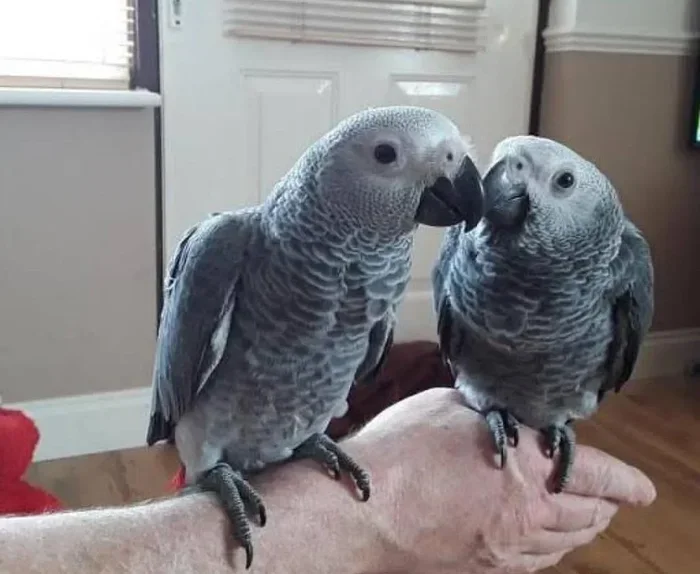
Featured image for Parrot breeding pair
Image source: exoticglobalparrotsfarm.com
Parrots breed through a series of courtship rituals, nest selection, egg laying, and intensive parental care. Understanding each stage helps owners support healthy chicks and successful breeding.
Parrots are among the most colorful and intelligent birds on the planet. When people ask how parrots breed they usually want a clear picture of every step. This guide covers the who, what, where, when, and why of parrot reproduction. It works for wild flocks and for birds kept in homes or aviaries.
In the wild breeding follows seasonal cues like rainfall and food abundance. In captivity owners can mimic those cues with light cycles and diet changes. Knowing how parrots breed helps you spot problems early and raise healthy chicks. The process is a team effort between mates, and each stage builds on the last.
Key Takeaways
- Courtship matters: Visual displays, vocal duets, and food sharing create strong pair bonds.
- Nest choice is critical: Natural cavities or well‑designed nest boxes protect eggs and chicks.
- Incubation teamwork: Both parents often share warmth duties, keeping temperature steady.
- Chicks grow fast: Rapid weight gain and feather development require frequent feeding.
- Fledging takes practice: Parents teach flight and foraging before full independence.
- Nutrition drives success: Balanced diets reduce infertility, egg binding, and chick mortality.
- Observation prevents problems: Daily checks catch issues early and improve outcomes.
📑 Table of Contents
Courtship and Pair Bonding
Before any egg appears the pair must decide they belong together. This phase can last weeks or months.
Visual Displays
Males often puff feathers, bob heads, and spread wings. These moves look like a dance. The female watches and copies if she likes what she sees. Did you know? Some macaw pairs perform synchronized wing flaps that last up to five minutes.
Vocal Duets
Parrots are famous talkers. During courtship they sing back and forth. The duet strengthens the bond and tells rivals the territory is taken. Researchers recorded over 30 distinct call types in a single Amazon pair.
Food Sharing
Offering a tasty morsel is a classic love gesture. The male regurgitates food for the female. This act shows he can provide for future chicks. In captivity you can encourage this by hand‑feeding treats together.
Choosing a Nest Site
A safe nest is the foundation of a successful clutch. The location decides temperature, humidity, and predator risk.
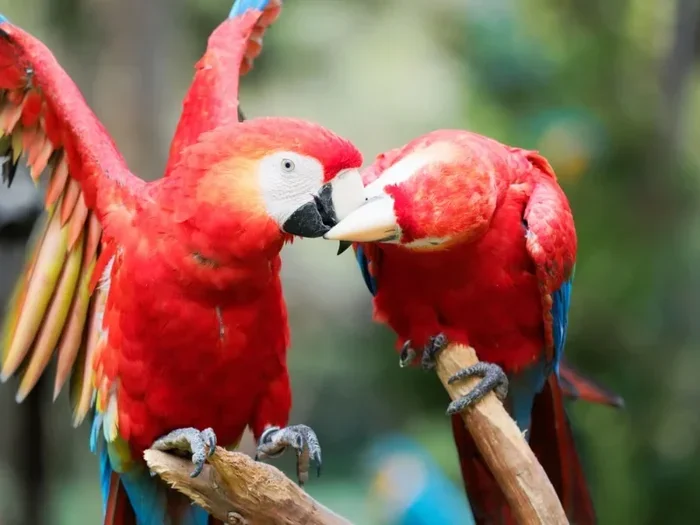
Visual guide about Parrot breeding pair
Image source: articles.hepper.com
Natural Cavities
Wild parrots seek tree hollows high above ground. The entrance is usually narrow to keep out snakes. Inside the cavity the wood stays cool and moist. Statistics show 85 percent of wild nests are in cavities older than 20 years.
Nest Boxes in Captivity
Breeders use wooden or PVC boxes that mimic natural hollows. Size matters: a box too large lets chicks get cold, too small restricts movement. A good rule is a box three times the bird’s body length.
Materials and Lining
Parrots line nests with wood chips, shredded bark, or soft leaves. In aviaries you can provide untreated pine shavings. Avoid cedar because its oils irritate respiratory tracts.
Egg Laying and Incubation
Once the nest is ready the female begins laying. This stage is where many owners first see how parrots breed in real time.
Clutch Size
Most species lay two to four eggs. Larger macaws may lay only one or two. Smaller conures can lay up to six. The interval between eggs is usually 24 to 48 hours.
Incubation Roles
In many species both parents share incubation. The female sits at night, the male takes day shifts. This teamwork keeps eggs at a steady 37.5 degrees Celsius. If one parent disappears the other may abandon the clutch.
Temperature and Humidity
Eggs need 55 to 60 percent humidity. Too dry and the membrane sticks to the chick. Too wet and bacteria grow. A simple hygrometer in the nest box helps you monitor conditions.
Hatching and Chick Development
After 18 to 30 days the eggs pip. The hatchlings are blind, naked, and completely dependent.
First Days
Chicks hatch with a tiny egg tooth that falls off within hours. Parents brood them constantly. The first 48 hours are critical; mortality spikes if temperature drops.
Feeding Schedule
Parents regurgitate a high‑protein “crop milk” every 30 to 60 minutes. In captivity you can supplement with a commercial hand‑feeding formula if a parent is ill. Did you know? A chick can double its weight in the first week.
Growth Milestones
Day 7: eyes open. Day 14: pin feathers appear. Day 21: down covers most of the body. By week six the chick looks like a miniature adult.
Parental Care and Fledging
The work does not stop at hatching. Parents teach survival skills long after the nest.
Protecting the Nest
Both adults defend the entrance aggressively. They scream, lunge, and even bite intruders. This behavior protects eggs and chicks from predators and rival parrots.
Teaching to Fly
When feathers are strong enough the chicks flutter to the edge of the nest. Parents encourage short hops by calling and offering food just out of reach. This “flight school” lasts two to three weeks.
Weaning
Gradually the chicks eat solid food on their own. Parents reduce regurgitation and start dropping seeds near the fledglings. Full independence usually occurs at 10 to 12 weeks for medium sized species.
Common Challenges and Tips for Breeders
Even experienced keepers face setbacks. Knowing the pitfalls lets you act fast.
Infertility
Infertile eggs stay clear after candling. Causes include poor diet, age, or stress. A balanced pellet diet plus fresh fruits and vegetables improves fertility rates by up to 30 percent.
Egg Binding
Egg binding happens when a female cannot pass an egg. Signs: straining, tail bobbing, lethargy. Warm baths and calcium supplements often help. Immediate vet care is essential if the egg does not pass within a few hours.
Nutrition and Health
Breeding birds need extra calcium, vitamin D3, and protein. Cuttlebone, mineral blocks, and boiled egg yolk are easy additions. Regular weight checks catch hidden illness early.
Understanding how parrots breed gives you the power to support nature’s most vivid aviators. From the first courtship dance to the moment a fledgling takes its maiden flight each step is a partnership. Provide the right environment, nutrition, and observation and you will witness one of the bird world’s most rewarding cycles. Happy breeding!
Frequently Asked Questions
What triggers parrots to start breeding?
Seasonal changes like longer daylight, increased rainfall, and abundant food signal the breeding season. In captivity you can mimic these cues with artificial lighting and a richer diet.
How long does parrot incubation last?
Incubation typically lasts 18 to 30 days depending on the species. Larger macaws need the longer end of the range while small conures hatch sooner.
Do both parents incubate the eggs?
In many species both male and female share incubation duties. The female usually covers night shifts while the male takes daytime turns.
When do chicks leave the nest?
Fledging occurs between 8 and 12 weeks after hatching. The exact timing varies with species and individual development.
What should I feed breeding parrots?
Provide a high‑quality pellet base, fresh fruits, vegetables, and a calcium source like cuttlebone. Protein boosts such as boiled egg or legumes support egg production and chick growth.
How can I tell if an egg is fertile?
Candling the egg after 7 to 10 days reveals veins and a dark embryo if fertile. Clear eggs with no development are infertile and can be removed.