
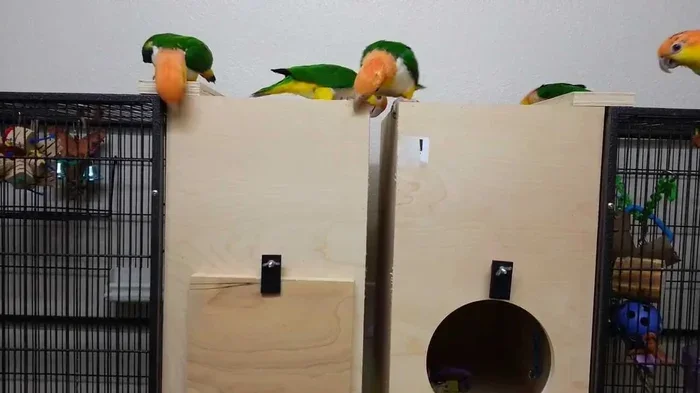
Featured image for parrot pair nesting box
Image source: i.ytimg.com
Breeding parrots requires careful planning, species-specific knowledge, and a long-term commitment to bird welfare. This comprehensive guide covers everything from choosing compatible pairs and setting up proper nesting environments to managing nutrition, monitoring egg development, and hand-rearing chicks when necessary. Success depends on patience, observation, and prioritizing the health of both parents and offspring.
Breeding parrots is one of the most rewarding yet challenging endeavors in aviculture. You watch two birds form a bond, build a nest, and raise tiny hatchlings into confident fledglings. That journey brings wonder. It also brings responsibility. Every decision you make affects living creatures who depend entirely on your knowledge and preparation.
Many beginners rush in because they love their pet parrot and want babies. Love is a great starting point. It is not enough. Successful breeding demands research, proper facilities, veterinary support, and a realistic plan for every chick produced. This guide walks you through each stage with practical steps and honest insights.
Key Takeaways
- Species selection matters: Start with easier species like budgies or cockatiels before attempting larger parrots.
- Health screening is non-negotiable: Both birds need veterinary clearance and genetic compatibility checks before breeding.
- Environment triggers breeding: Proper lighting, temperature, humidity, and nest box placement simulate natural conditions.
- Nutrition fuels reproduction: Breeding pairs need increased calcium, protein, and vitamins months before egg-laying.
- Minimal interference works best: Observe from a distance; excessive handling causes abandonment or aggression.
- Have a hand-rearing plan ready: Know how to incubate eggs and feed chicks if parents fail, but let parents raise when possible.
- Ethical responsibility comes first: Plan homes for every chick, avoid overbreeding, and never breed for profit alone.
📑 Table of Contents
- Understanding the Commitment Before You Begin
- Choosing Your First Breeding Species
- Creating the Ideal Breeding Environment
- Nutrition for Breeding Success
- The Breeding Cycle: From Courtship to Fledging
- Hand-Rearing: Skills You Hope Not to Need
- Health Management and Problem Prevention
- Finding Homes and Lifelong Responsibility
- Conclusion
Understanding the Commitment Before You Begin
Breeding parrots is not a casual hobby. It is a serious undertaking that can span years. Large parrots like macaws or cockatoos may not breed until they are five to ten years old. They can live sixty to eighty years. The chicks you produce need appropriate homes for decades. You are creating life that outlasts most human commitments.
Assessing Your Readiness
Ask yourself these questions honestly. Do you have space for multiple large cages? Can you afford avian veterinary care for parents and chicks? Are you prepared for sleepless nights during incubation and hand-feeding? Do you have a network of experienced breeders or mentors? Is your family supportive of the noise, mess, and time demands?
Legal and Ethical Considerations
Check local laws before acquiring breeding stock. Some species require permits. CITES regulations govern international trade of many parrots. Homeowners associations or rental agreements may restrict birds. Ethically, you must commit to never selling to pet stores, bird brokers, or impulse buyers. Screen every potential home. Offer lifetime support and a take-back guarantee for every bird you produce.
Financial Reality Check
Budget for quality breeding cages ($500-$2,000 each), nest boxes ($50-$300), incubators ($300-$1,500), brooders ($200-$800), hand-feeding supplies ($100-$300), premium diets ($100+/month), and veterinary emergencies ($500-$5,000+). Annual costs for a single breeding pair often exceed $3,000. Profit is rare. Most dedicated breeders operate at a loss because they prioritize quality over quantity.
Did You Know? According to the American Federation of Aviculture, fewer than 10% of people who start breeding parrots continue past three years. The learning curve is steep, and the emotional toll of lost chicks or failed pairs drives many away.
Choosing Your First Breeding Species
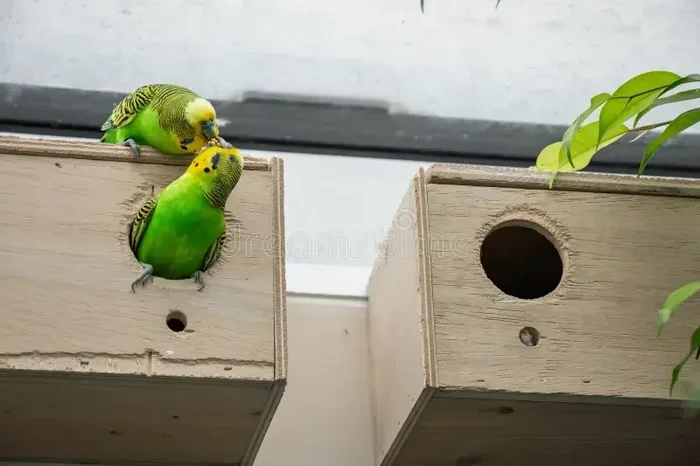
Visual guide about parrot pair nesting box
Image source: thumbs.dreamstime.com
Your first species determines your learning experience. Small parrots breed more readily, mature faster, and cost less to maintain. Large parrots demand more space, specialized diets, and years of patience before producing fertile eggs.
Best Species for Beginners
Budgerigars (budgies) top the list. They reach sexual maturity at six to twelve months. A pair can produce multiple clutches yearly. They are hardy, inexpensive, and forgiving of minor mistakes. Cockatiels follow closely. They mature at twelve to eighteen months. They are excellent parents and tolerate observation well. Lovebirds, parrotlets, and green-cheeked conures also suit beginners who want slightly larger birds with big personalities.
Species to Avoid Initially
Macaws, cockatoos, Amazons, African greys, and eclectus parrots challenge even experienced breeders. They need massive enclosures, complex social dynamics, and years to mature. Hormonal aggression during breeding season can be dangerous. Hand-rearing large parrot chicks requires advanced skills. Save these for when you have several successful seasons with smaller species.
Understanding Sexual Dimorphism and Sexing
Some species show visual sex differences. Male budgies typically have blue ceres; females have brown or white ceres. Male cockatiels develop bright yellow faces; females retain gray faces with barred tails. Many parrots are monomorphic. You need DNA sexing (feather or blood sample) or surgical sexing by a veterinarian. Never guess. A same-sex pair wastes years of waiting.
Genetic Diversity and Pair Selection
Avoid breeding related birds. Inbreeding concentrates genetic defects: feather abnormalities, weakened immune systems, neurological issues, and reduced fertility. Source birds from different breeders. Request lineage records. If possible, work with breeders who participate in species survival plans or studbook programs. Healthy, unrelated pairs produce stronger chicks with better pet potential.
Did You Know? A 2019 study in the Journal of Avian Medicine and Surgery found that inbred parrots had a 40% higher mortality rate in the first year compared to outbred counterparts. Genetic diversity literally saves lives.
Creating the Ideal Breeding Environment
Environment triggers breeding behavior. In the wild, parrots breed when daylight increases, food becomes abundant, and nesting cavities are available. You replicate these cues in captivity.
Housing Requirements
Breeding cages must be larger than pet cages. Minimum dimensions for small parrots: 36 inches long, 24 inches wide, 36 inches high. For medium parrots: 48x36x48 inches. Large parrots need 6x4x6 feet or larger. Horizontal space matters more than height for flight. Use powder-coated or stainless steel wire. Avoid galvanized wire (zinc toxicity risk). Bar spacing must prevent heads from getting stuck: 1/2 inch for small, 3/4 inch for medium, 1 inch for large.
Lighting and Photoperiod Management
Parrots are photoperiodic. Increasing daylight stimulates gonadal development. Provide 10-12 hours of darkness nightly for rest. Gradually increase daylight to 14-16 hours over 4-6 weeks to simulate spring. Use full-spectrum avian lighting with UVB output. Replace bulbs every 6-12 months; UVB degrades invisibly. Natural sunlight through windows is insufficient; glass blocks UVB.
Temperature and Humidity Control
Maintain 70-80°F (21-27°C) for most species. Sudden drops cause egg binding or chick chilling. Humidity at 50-60% prevents egg dehydration. Use a digital hygrometer. Increase humidity to 65-75% during hatch. Misting systems or humidifiers help. Ensure ventilation without drafts. Stagnant air promotes respiratory infections.
Nest Box Selection and Placement
Nest boxes mimic tree cavities. Dimensions vary by species. Budgies: 6x6x10 inches with 1.5-inch entrance. Cockatiels: 10x10x12 inches with 2.5-inch entrance. Conures: 12x12x18 inches with 3-inch entrance. Use untreated pine or aspen. Avoid cedar (toxic oils). Mount boxes externally on the cage side for easy inspection. Angle slightly forward so chicks don’t pile at the entrance. Add a ladder inside for exit.
Nesting Material
Provide clean, dry materials: aspen shavings, pine shavings, or shredded paper. Avoid cotton fibers (entanglement risk), cedar, corn cob (mold risk), or newspaper ink. Depth: 2-3 inches. Let the pair arrange it. Some hens remove everything; others build elaborate nests. Both are normal.
Practical Tip: Install a small inspection door on the nest box side or top. Check eggs and chicks with minimal disturbance. Use a flashlight, not your hand, for quick checks. Limit inspections to once daily during incubation, twice daily after hatch.
Nutrition for Breeding Success
Diet is the foundation of fertility, egg quality, chick vitality, and parental health. Pet bird diets are insufficient for breeding. You must upgrade months before the breeding season.
Base Diet Components
High-quality pellets should comprise 60-70% of the diet. Choose breeder formulations with higher protein (18-20%) and calcium (1.5-2%). Supplement with fresh vegetables daily: dark leafy greens, carrots, sweet potatoes, broccoli, bell peppers. Offer fruits sparingly (high sugar). Provide sprouted seeds or legumes 3-4 times weekly for enzymes and bioavailability. Cooked grains (quinoa, brown rice, barley) add variety.
Critical Supplements
Calcium is non-negotiable. Hens pull calcium from bones for eggshells. Deficiency causes egg binding, soft shells, seizures, and death. Offer cuttlebone, mineral blocks, and liquid calcium gluconate in water. Vitamin D3 enables calcium absorption; ensure UVB lighting or supplement. Vitamin E and selenium support fertility. Omega-3 fatty acids (flaxseed, chia, fish oil) improve egg quality and chick brain development.
Protein Boosts During Key Phases
Increase protein to 20-25% during egg-laying and chick-rearing. Offer cooked egg (with shell crushed), mealworms, cottage cheese, or commercial egg food daily. Parents feeding chicks need constant energy. Monitor weight weekly. Sudden weight loss signals illness or inadequate nutrition.
Water and Hygiene
Fresh water changed twice daily. Add water-soluble vitamins during breeding. Clean dishes daily with avian-safe disinfectant. Bacteria multiply rapidly in warm, nutrient-rich water. Automatic watering systems reduce contamination but require daily flushing.
Did You Know? A laying hen deposits 10-15% of her total body calcium into a single clutch of eggs. Without dietary replacement, she develops osteoporosis within one breeding season. This is why “resting” pairs between clutches is essential.
The Breeding Cycle: From Courtship to Fledging
Understanding the timeline helps you anticipate needs and spot problems early. Each phase has distinct behaviors and requirements.
Courtship and Pair Bonding
Introduce potential mates gradually. Place cages side by side for 2-4 weeks. Watch for mutual preening, feeding, and vocalizing. Aggression (lunging, biting, screaming) means incompatibility. Separate immediately. Compatible pairs may bond in days or take months. Never force a pair. Once bonded, move them to the breeding cage together. Provide the nest box immediately.
Egg Laying and Incubation
Hens lay every other day. Clutch sizes vary: budgies 4-8, cockatiels 4-6, conures 3-5, larger parrots 2-4. Incubation starts after the second or third egg. The hen does most incubating; the male feeds her and guards. Incubation periods: budgies 18-21 days, cockatiels 18-21 days, conures 23-26 days, Amazons 24-28 days, macaws 26-28 days.
Candling Eggs
Candle at 7-10 days using a bright, cool LED light in a dark room. Fertile eggs show blood vessels and a dark embryo. Infertile eggs remain clear. Dead embryos show a blood ring. Remove infertile or dead eggs to prevent bacterial contamination. Mark fertile eggs with pencil (date, pair ID). Never use markers; chemicals penetrate shells.
Hatch and Early Chick Care
Chicks pip (break shell) 24-48 hours before emerging. Do not assist unless the chick is stuck for hours and the membrane is dry. Parents eat shells for calcium. Newborns are naked, blind, and helpless. The hen broods constantly for 10-14 days. The male feeds the hen; she feeds chicks. Check crops each morning. Full crops feel like soft balloons. Empty crops mean feeding issues.
Growth Milestones
Day 1-3: Continuous brooding, fed every 1-2 hours.
Day 7-10: Eyes open, pin feathers emerge.
Day 14-21: Feathers unfurl, chicks vocalize loudly.
Day 28-35: Fledging (leaving nest). Parents continue feeding 2-4 weeks post-fledge.
Weaning: 8-12 weeks for small species, 12-20 weeks for large.
When to Intervene
Intervene only for clear emergencies: parents attacking chicks, chronic empty crops, splayed legs, deformities, or abandonment. Pull chicks for hand-rearing as a last resort. Parent-raised birds are psychologically healthier. If you must hand-rear, co-parent (supplement feeds while leaving chicks with parents) when possible.
Practical Tip: Keep a detailed breeding log. Record pair IDs, hatch dates, band numbers, weights, developmental milestones, and any concerns. This data becomes invaluable for future seasons and veterinary consultations.
Hand-Rearing: Skills You Hope Not to Need
Hand-rearing is demanding, technical, and risky. Beginners should seek mentorship before attempting. This overview prepares you for emergencies only.
Equipment Essentials
Incubator (forced air, digital temperature/humidity control). Brooder (temperature gradient 95-85°F decreasing weekly). Syringes (1-10ml with soft silicone tips). Commercial hand-feeding formula (species-specific). Gram scale (0.1g accuracy). Thermometer for formula (105-110°F / 40-43°C). Disinfectant for equipment between feeds.
Feeding Protocol
Feed when crop empties (feels flat). Frequency: every 2 hours for hatchlings, every 3-4 hours by week two, every 5-6 hours by week three. Never feed over a full crop (sour crop risk). Formula consistency: applesauce for young, pudding for older. Weigh before and after each feed. Target 10-12% body weight per feed. Document everything.
Common Hand-Rearing Problems
Sour crop: crop doesn’t empty, smells yeasty. Treat with crop massage, diluted apple cider vinegar, veterinary antifungals. Aspiration: formula enters lungs. Prevent by feeding slowly, proper head position. Splayed legs: hobbles at 3-5 days correct this. Stunting: inadequate nutrition or temperature. Beak deformities: improper feeding technique or genetics.
Weaning and Socialization
Offer solid foods at 3-4 weeks: pellets, softened vegetables, sprouts. Let chicks explore. Reduce formula as consumption increases. Never force-wean. Socialize daily: handling, varied sounds, different people, safe toys. Well-socialized chicks become confident pets. Poorly socialized chicks develop phobias, aggression, or feather destruction.
Did You Know? Research shows hand-reared parrots have higher rates of behavioral issues (feather plucking, screaming, aggression) than parent-reared birds. Co-parenting (human handling + parental care) produces the best outcomes for pet quality.
Health Management and Problem Prevention
Proactive health care prevents most breeding disasters. Establish an avian veterinarian relationship before breeding season.
Pre-Breeding Health Screening
Complete blood count, chemistry panel, chlamydia (psittacosis) testing, polyomavirus testing, beak and feather disease testing, fecal gram stain and parasite check. Vaccinate for polyomavirus if available. Quarantine new birds 45-60 days. Test again before introducing to your flock.
Common Breeding Complications
Egg binding: hen cannot pass egg. Signs: straining, tail pumping, drooped wings, wide stance. Emergency. Warmth, humidity, calcium injection, lubrication. Veterinary intervention often needed. Prevention: proper nutrition, exercise, not overbreeding.
Chronic egg laying: hen lays repeatedly without mate or season. Depletes calcium. Manage by reducing daylight to 8-10 hours, removing nest materials, hormonal implants (veterinarian).
Aggression: male attacks hen or chicks. Separate immediately. Some males help; others harm. Know your pair’s history.
Infertility: clear eggs repeatedly. Causes: age, nutrition, incompatibility, disease, environment. Investigate systematically.
Chick Health Issues
Polyomavirus: fatal in neonates. Vaccinate parents. Quarantine. Strict hygiene.
Beak and feather disease: immunosuppressive. Test parents. No cure.
Bacterial/fungal infections: dirty nest, contaminated formula, stress. Clean, medicate promptly.
Developmental abnormalities: genetic, nutritional, incubation errors. Document for future decisions.
Resting Periods
Limit pairs to 2-3 clutches per year. Enforce 4-6 month rest between clutches. Remove nest box. Reduce daylight to 10 hours. Lower protein and fat. Allow molt completion. Overbreeding shortens lifespan and reduces chick quality. Respect the birds’ biology.
Practical Tip: Create a “breeding season calendar” for each pair. Mark expected lay dates, hatch dates, band dates, fledge dates, weaning dates, and rest periods. Visual planning prevents accidental overbreeding and helps you prepare supplies in advance.
Finding Homes and Lifelong Responsibility
Your responsibility extends far beyond the sale. Ethical breeders remain a resource for life.
Screening Potential Owners
Require applications. Ask about experience, household, other pets, work schedule, avian vet, travel plans, and long-term commitment. Home visits or video tours reveal cage setup and environment. Deny sales to unsuitable homes. Your reputation depends on your birds thriving.
Contracts and Guarantees
Use written contracts covering: health guarantee (7-30 days with vet check), lifetime take-back clause, no-breeding clause for pet homes, mandatory spay/neuter not applicable (birds), contact updates, and first right of refusal if rehoming needed. Provide care sheets, diet lists, toy recommendations, and vet referrals.
Education and Support
Offer a “starter kit” with familiar food, toys, and perches. Provide 30 days of free consultation. Host or recommend bird care classes. Connect buyers with local bird clubs. A supported owner keeps the bird. An overwhelmed owner surrenders it.
Record Keeping and Banding
Band chicks at 10-14 days (species-dependent). Use closed, traceable bands with your breeder code, year, and sequential number. Maintain permanent records: hatch date, parents, band number, sex (when known), weight charts, health notes, buyer contact, and follow-up dates. Good records protect you and the birds.
Did You Know? The World Parrot Trust estimates that 50% of pet parrots are rehomed at least once. Ethical breeders who screen and support buyers dramatically reduce this statistic for their birds.
Conclusion
Breeding parrots for beginners is a journey of continuous learning. You will make mistakes. Chicks will be lost. Pairs will fail. These moments hurt. They also teach. The breeders who succeed long-term are those who stay humble, seek mentors, prioritize welfare over numbers, and never stop studying.
Start small. Choose forgiving species. Build proper facilities. Invest in nutrition. Find an avian veterinarian before you need one. Join aviculture societies. Attend conferences. Read scientific papers. Connect with breeders who share your values. The parrot community is generous with knowledge when you approach it with respect and patience.
Most importantly, remember that every bird you breed is a thinking, feeling individual with a lifespan that may exceed your own. Breed only when you can honor that life completely. The joy of watching a chick you raised take its first flight is profound. The responsibility of ensuring it has a good life for fifty years is even greater.
Welcome to aviculture. Take it one day, one pair, one chick at a time.
Frequently Asked Questions
What is the easiest parrot species for a beginner to breed?
Budgerigars (budgies) are widely considered the easiest parrot species for beginners. They mature quickly (6-12 months), breed readily in captivity, have small space requirements, and are relatively inexpensive to maintain. Cockatiels are the second-best choice, offering slightly larger size with equally reliable breeding habits and excellent parental instincts.
How old should parrots be before breeding them?
Age of sexual maturity varies significantly by species. Small parrots like budgies and cockatiels can breed at 12-18 months, though waiting until 18-24 months produces better results. Medium parrots (conures, quakers) should be 2-3 years old. Large parrots (macaws, cockatoos, Amazons) often need 4-7 years to reach psychological and physical maturity for successful breeding.
How many clutches per year is safe for a breeding pair?
Most avian veterinarians recommend limiting pairs to 2-3 clutches per year with a mandatory rest period of 4-6 months between clutches. Continuous breeding depletes the hen’s calcium reserves, causes physical exhaustion, reduces egg quality, and shortens lifespan. Remove the nest box and reduce daylight hours to enforce rest periods.
When should I intervene if parents aren’t feeding chicks?
Intervene if crops remain empty for more than 6-8 hours in newborns, or if you observe active rejection (tossing chicks, biting, refusing to brood). First-time parents may need 24-48 hours to figure it out. Supplement feeds rather than full removal when possible. Always have hand-feeding supplies ready before hatch day.
Do I need a license to breed parrots at home?
Requirements vary by location. In the US, most native species require federal permits under the Migratory Bird Treaty Act. Exotic parrots generally don’t require federal breeding permits, but state, county, or city regulations may apply. CITES-listed species need documentation for interstate commerce. Always check with your state wildlife agency and local ordinances before starting.
How do I prevent inbreeding in my breeding program?
Source breeding stock from unrelated lines, ideally from different breeders in different regions. Request pedigree records going back 3-5 generations. Use DNA sexing to avoid accidental same-sex pairing. Consider joining a species studbook or conservation program. Never breed siblings, parent-offspring, or birds with unknown lineage. Genetic diversity is the single most important factor for healthy offspring.