
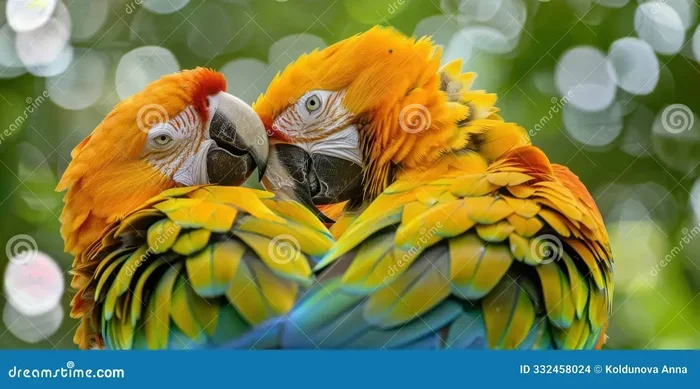
Featured image for bonded parrots perched together
Image source: thumbs.dreamstime.com
A breeding pair of parrots needs a safe, spacious environment, proper nutrition, and regular health checks to thrive. With the right setup, they can raise healthy chicks and bring joy for years.
A breeding pair of parrots can be a rewarding project for any bird lover. The process starts long before the first egg appears. You need knowledge, preparation, and a calm mindset. This guide walks you through every step, from picking the right birds to raising healthy chicks.
Think of a breeding pair of parrots like a small family business. Each partner has a role. The environment is the office. Food is the payroll. Health checks are performance reviews. When every part works together, the business grows. When one part fails, the whole operation feels the impact.
Key Takeaways
- Species matters: Choose a species known for reliable breeding in captivity.
- Health first: Both birds must pass a veterinary exam before pairing.
- Space is critical: A large flight cage or aviary reduces stress and encourages natural behavior.
- Diet drives fertility: A balanced diet with pellets, fresh fruits, vegetables, and calcium supports egg production.
- Nest box design: Proper size, material, and placement mimic wild nesting sites.
- Monitor closely: Daily checks on eggs and chicks catch problems early.
- Patience pays: Successful breeding often takes several seasons.
📑 Table of Contents
Understanding What a Breeding Pair of Parrots Is
Definition and Basics
A breeding pair of parrots consists of a mature male and a mature female that have bonded and are ready to reproduce. Bonding means they preen each other, share food, and sleep side by side. Not every male‑female combo will bond. Compatibility is key.
Age and Maturity
Most parrots reach sexual maturity between one and four years, depending on species. A breeding pair of parrots should be at least one year past maturity. Younger birds often lack the experience to incubate eggs or feed chicks properly.
Behavioral Signs of Readiness
Look for mutual preening, regurgitation feeding, and nest‑box exploration. These behaviors signal that the pair is preparing for breeding. If you see aggression or constant squabbling, the pair may not be compatible.
Choosing the Right Species and Individuals
Popular Species for Beginners
Budgerigars, cockatiels, and lovebirds are common choices. They breed readily, have short incubation periods, and need modest space. Larger species like African greys or macaws need more room, specialized diets, and longer commitment.
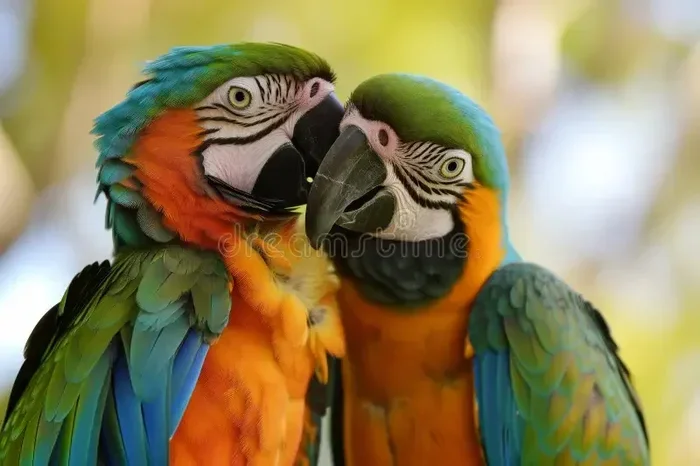
Visual guide about bonded parrots perched together
Image source: thumbs.dreamstime.com
Genetic Health and Lineage
Ask the breeder for health records and genetic background. Avoid birds with known hereditary issues such as feather plucking or metabolic disorders. A healthy breeding pair of parrots starts with healthy parents.
Sexing Methods
DNA testing is the most reliable way to confirm sex. Visual sexing works for some species but can be inaccurate. Knowing the sex for sure prevents accidental same‑sex pairings.
Temperament Matching
Observe potential mates together before committing. A calm male with a calm female often produces a stable breeding pair of parrots. High‑energy birds paired with low‑energy birds may cause stress.
Setting Up the Perfect Habitat
Cage Size and Layout
Provide a flight cage at least 4 feet long, 3 feet wide, and 3 feet high for medium species. Larger species need aviaries of 6 feet or more. Include multiple perches of varying diameters to exercise feet.
Nest Box Essentials
Choose a wooden nest box sized for the species. Entrance hole should be just large enough for the female. Line the box with untreated pine shavings. Place the box high in the cage, away from drafts and direct sunlight.
Lighting and Photoperiod
Parrots breed best with 12 to 14 hours of light daily. Use full‑spectrum UV bulbs to mimic natural sunlight. Gradually increase day length in spring to trigger hormonal cycles.
Temperature and Humidity
Maintain 70‑80°F (21‑27°C) with 50‑60% humidity. Sudden temperature drops can cause egg binding. A humidifier near the nest box helps keep membranes moist during incubation.
Safety and Enrichment
Remove toxic plants, loose threads, and small objects. Add foraging toys, chewable branches, and swings. Enrichment reduces boredom and prevents feather destructive behavior in a breeding pair of parrots.
Nutrition and Health Care for Breeding Success
Base Diet
High‑quality pellet should make up 70% of the diet. Pellets provide balanced vitamins and minerals. Avoid seed‑only diets; they lack calcium and vitamin A.
Fresh Foods
Offer daily servings of dark leafy greens, carrots, sweet potatoes, and berries. Rotate items to ensure variety. Fresh foods boost immune function and egg quality.
Calcium and Supplements
Provide a cuttlebone or mineral block at all times. During egg laying, sprinkle a calcium powder on soft foods three times a week. Vitamin D3 supplements help calcium absorption, especially under artificial light.
Water and Hygiene
Change water twice daily. Clean food dishes every day. Dirty water spreads bacteria that can harm a breeding pair of parrots and their chicks.
Veterinary Checks
Schedule a pre‑breeding exam. The vet will check weight, feather condition, organ function, and run blood work. Repeat exams each breeding season. Early detection of infections saves lives.
Monitoring Egg Laying and Chick Rearing
Egg Laying Timeline
After mating, the female usually lays one egg every other day. Clutch size varies by species. A typical breeding pair of parrots produces 3‑6 eggs. Mark the lay date on a calendar for reference.
Incubation Basics
The female does most incubation. The male feeds her at the nest entrance. Incubation lasts 18‑30 days depending on species. Do not disturb the nest unless you suspect a problem.
Candling Eggs
At day 7‑10, use a bright flashlight to candle eggs. Fertile eggs show veins and a dark embryo. Infertile eggs remain clear. Remove clear eggs to prevent bacterial growth.
Hatching and First Days
Chicks hatch blind and naked. Parents feed them a regurgitated “crop milk” rich in protein. Keep the nest area quiet. Avoid handling chicks for the first 10 days.
Growth Milestones
Day 10: eyes open. Day 14: pin feathers appear. Day 21: chicks start exploring the nest box rim. By week 6‑8, most species fledge. Provide a safe landing area with soft perches.
Weaning
Introduce soft pellets and mashed vegetables at week 4. Gradually reduce parental feeding. Full weaning usually occurs by week 10‑12. Monitor weight daily during this transition.
Common Challenges and How to Overcome Them
Egg Binding
Egg binding happens when a female cannot pass an egg. Signs include straining, tail bobbing, and lethargy. Warm the bird, offer calcium, and seek veterinary help immediately. Prevention includes proper diet and humidity.
Infertility
Infertile clutches may result from poor nutrition, stress, or age. Review diet, reduce disturbances, and consider a veterinary fertility workup. Sometimes a new mate solves the issue.
Chick Mortality
Common causes are dehydration, infection, and parental neglect. Ensure parents have constant food and water. Keep nest box clean. If a chick falls behind, hand‑feed with a syringe using a commercial formula.
Aggression Between Pair
Territorial disputes can escalate during breeding. Provide extra perches and visual barriers. If aggression persists, separate the pair temporarily and reintroduce slowly.
Feather Plucking
Stress, boredom, or medical issues trigger plucking. Increase enrichment, check for parasites, and consult a vet. A calm environment helps a breeding pair of parrots stay feather‑healthy.
Conclusion
Raising a breeding pair of parrots is a journey of patience, observation, and care. Start with healthy, compatible birds. Give them space, light, and a balanced diet. Watch their behavior daily. Respect their natural instincts. When challenges arise, act quickly and seek expert advice. The reward is watching tiny chicks grow into vibrant, confident parrots. Share your experiences with fellow enthusiasts. Your knowledge helps the whole community succeed.
Frequently Asked Questions
What is the ideal age for a breeding pair of parrots?
Most parrots should be at least one year past sexual maturity, typically 2‑5 years old depending on species, before they are paired for breeding.
How can I tell if my parrots are bonded?
Bonded pairs preen each other, share food by regurgitation, sleep side by side, and explore the nest box together without aggression.
What size nest box does a breeding pair of parrots need?
The nest box should be species‑specific; generally, the interior floor should be about 1.5 times the bird’s body length square, with an entrance hole just large enough for the female.
How often should I check the eggs during incubation?
Limit checks to once a week using a candling light. Frequent handling can stress the parents and affect embryo development.
When should I start hand‑feeding chicks?
Only hand‑feed if a chick is clearly failing to gain weight or is abandoned. Otherwise, let the parents feed for the first 10‑14 days.
What supplements are essential for a breeding pair of parrots?
Calcium (cuttlebone or powder), vitamin D3, and a high‑quality pellet base are essential. Fresh fruits and vegetables provide additional vitamins and antioxidants.