
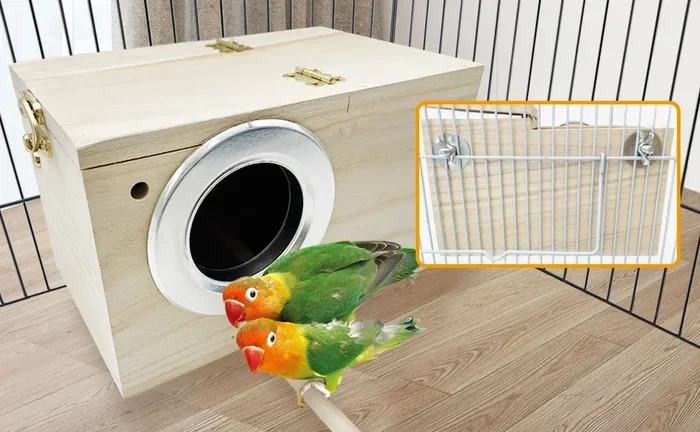
Featured image for parakeet breeding nest box
Image source: m.media-amazon.com
Breeding parakeets is a rewarding hobby that requires a compatible pair, a proper nest box, and careful monitoring of eggs and chicks. Follow this step‑by‑step guide to set up the right environment, recognize breeding signs, and raise strong fledglings.
Breeding parakeets can feel like opening a tiny, feathered nursery in your living room. The process is not magic; it is a series of clear steps that any dedicated bird lover can follow. In this guide you will learn the who, what, where, when, and why of parakeet breeding, plus practical tips that keep both parents and babies healthy.
Did you know? The budgerigar, the most common pet parakeet, can produce up to three clutches a year under ideal conditions. That means a single pair could raise dozens of chicks in a single breeding season if you manage nutrition and environment correctly.
Key Takeaways
- Choose a healthy, bonded pair: Both birds should be at least one year old, disease‑free, and show mutual preening.
- Provide a spacious, quiet cage with a nest box: A 12‑inch deep wooden box mimics a natural cavity and encourages laying.
- Feed a high‑protein diet before and during breeding: Add egg food, sprouted seeds, and calcium supplements to support egg production.
- Monitor eggs daily but limit handling: Candling at day 7 reveals fertility; avoid excessive disturbance to prevent abandonment.
- Maintain optimal temperature and humidity: 75‑80 °F (24‑27 °C) and 50‑60 % humidity give the best hatch rates.
- Hand‑feed chicks only if parents fail: Use a specialized formula every 2‑3 hours for the first two weeks.
- Plan for the future: Separate fledglings at 6‑8 weeks to avoid inbreeding and give each bird its own space.
📑 Table of Contents
Understanding Parakeet Biology
Who Can Breed?
Only sexually mature, healthy birds should be paired. Most parakeets reach sexual maturity at 8‑12 months, but waiting until they are at least one year old improves fertility and reduces complications. Both male and female must be free of parasites, respiratory infections, and feather plucking habits.
What Triggers Breeding?
Parakeets are photoperiodic. Lengthening daylight hours in spring signal the hormonal cascade that leads to courtship. In captivity you can mimic this by providing 12‑14 hours of light daily using a full‑spectrum bulb. Temperature stability around 75 °F (24 °C) also helps.
Where Does Breeding Happen?
In the wild, budgerigars nest in tree hollows. In a home setting a wooden nest box mounted on the side of the cage replicates that cavity. The box should be 12 inches deep, 6 inches wide, and 6 inches high with a 2‑inch entrance hole.
When Is the Best Time?
Spring and early summer are natural peaks. However, with controlled lighting you can breed year‑round. Many breeders prefer a single clutch per year to avoid exhausting the hen.
Why Breed Parakeets?
Reasons range from expanding a personal flock, preserving rare color mutations, to the simple joy of watching tiny hatchlings grow. Responsible breeding also reduces demand for wild‑caught birds.
Preparing the Breeding Environment
Cage Size and Layout
A breeding cage should be at least 30 inches long, 18 inches wide, and 18 inches high. Horizontal space matters more than height because parakeets fly side‑to‑side. Place perches at varying heights, but keep the nest box at the highest point to give the hen a sense of security.
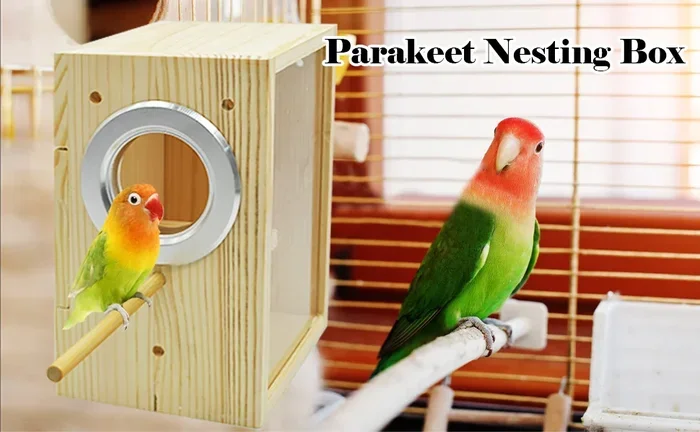
Visual guide about parakeet breeding nest box
Image source: m.media-amazon.com
Nest Box Details
Use untreated pine or cedar. Line the bottom with a thin layer of shredded paper or coconut fiber. Avoid cotton or synthetic fibers; they can wrap around tiny legs. A small perch just inside the entrance helps the hen enter and exit easily.
Lighting and Temperature Control
Install a timer on a full‑spectrum LED to give 13 hours of light and 11 hours of dark. Keep the room temperature between 75‑80 °F (24‑27 °C). A ceramic heat emitter can provide gentle warmth without drying the air.
Humidity and Ventilation
Target 50‑60 % relative humidity. A small hygrometer inside the cage lets you monitor this. Good airflow prevents mold but avoid drafts directly on the nest box.
Did You Know?
Studies show that a 5 % increase in humidity during incubation can raise hatch rates by up to 12 % in budgerigars.
Selecting a Compatible Pair
Health Checks
Take both birds to an avian veterinarian for a complete blood count, fecal exam, and feather analysis. Look for clear eyes, smooth feathers, and active behavior. Quarantine new arrivals for 30 days before introduction.
Behavioral Compatibility
Observe the pair in a neutral cage for several days. Positive signs include mutual preening, feeding each other, and sitting side‑by‑side. Aggression, constant chasing, or feather pulling indicate a poor match.
Genetic Considerations
If you aim for specific color mutations, research the inheritance patterns. For example, the lutino gene is sex‑linked; pairing a lutino male with a normal female yields 50 % lutino daughters. Avoid pairing closely related birds to reduce genetic defects.
Age Gap
A male 1‑2 years older than the female often assumes a protective role, which can improve incubation consistency.
The Breeding Process Step by Step
Courtship and Mating
After the pair settles, the male will perform a “head‑bob” dance and offer regurgitated food to the female. This feeding ritual can last several days. Mating usually occurs early morning. You may see the male mount the female briefly; this is normal.
Egg Laying
The hen will lay one egg every other day until the clutch is complete, typically 4‑8 eggs. She begins incubating after the second or third egg. During this period, provide extra calcium (cuttlebone, calcium powder) and high‑protein egg food.
Incubation
Incubation lasts 18‑21 days. The hen does most of the sitting; the male feeds her and guards the nest. Keep disturbances to a minimum. Candling at day 7 with a bright LED flashlight reveals a network of blood vessels in fertile eggs.
Hatching
Chicks pip the shell using an egg tooth. The process can take 12‑24 hours per chick. Do not assist unless a chick is stuck for more than 24 hours. Parents will clean the hatchlings and begin feeding a regurgitated “crop milk” mixture.
Early Chick Care
For the first 10 days, chicks are blind and naked. The parents keep them warm (brooding) and feed every 30‑60 minutes. Ensure the nest box stays clean; remove soiled bedding daily.
Caring for Eggs and Chicks
Nutrition for the Hen
Offer a breeding mix: 50 % high‑quality pellet, 30 % sprouted seeds, 10 % egg food, 10 % fresh vegetables (broccoli, kale). Add a pinch of probiotic powder to support gut health.
Monitoring Growth
Weigh each chick daily using a gram scale. Healthy weight gain is 1‑2 grams per day. Record weights in a notebook; sudden drops signal illness.
Feather Development
Pin feathers appear around day 10. By day 21 the chicks are fully feathered and begin exploring the nest box entrance. At this stage, provide a shallow dish of softened pellets for them to peck.
Weaning
Parents naturally reduce feedings as chicks eat solid food. By 5‑6 weeks chicks should be independent. Offer a variety of seeds, pellets, and fresh foods to encourage self‑feeding.
Hand‑Feeding Backup Plan
If a parent dies or abandons the clutch, have a commercial hand‑feeding formula ready. Mix according to label, warm to 105 °F (40 °C), and feed with a syringe every 2‑3 hours for the first two weeks, then every 4 hours.
Common Challenges and Solutions
Egg Binding
Egg binding occurs when a hen cannot pass an egg. Signs: straining, tail bobbing, lethargy. Immediate veterinary care is essential. Prevent by ensuring calcium supplementation and adequate hydration.
Infertile Eggs
Clear eggs after candling indicate infertility. Causes include poor diet, age, or genetic incompatibility. Adjust nutrition and consider a different mate for the next season.
Parental Aggression
Some males become overly protective, attacking the hen or chicks. Separate the male temporarily, allowing the hen to incubate alone, then reintroduce gradually.
Disease Outbreaks
Respiratory infections spread fast in a breeding cage. Quarantine any sick bird, disinfect the cage with avian‑safe cleaner, and consult a vet for antibiotics if needed.
Overcrowding
Too many birds in one cage raises stress and disease risk. Keep only the breeding pair and, after fledging, move juveniles to separate enclosures.
Conclusion
Breeding parakeets is a journey of patience, observation, and careful planning. By providing the right pair, a safe nest box, proper nutrition, and a stable environment, you give your birds the best chance to raise healthy offspring. Remember to respect the natural rhythms of your birds, keep detailed records, and always prioritize welfare over quantity. With these practices, you’ll not only enjoy the miracle of new life but also contribute to the long‑term health of the species you love.
Frequently Asked Questions
What age should parakeets be before breeding?
Parakeets should be at least one year old, fully mature, and in good health before attempting to breed.
How many eggs does a parakeet typically lay?
A typical clutch contains 4 to 8 eggs, laid every other day until the clutch is complete.
Do I need a special nest box for breeding?
Yes, a wooden nest box about 12 inches deep with a 2‑inch entrance hole mimics a natural cavity and encourages laying.
How long does incubation last?
Incubation lasts 18 to 21 days, with the hen doing most of the sitting while the male feeds her.
When can I handle the chicks?
Limit handling for the first two weeks; only intervene if a chick is abandoned or the parents cannot feed it.
What should I feed breeding parakeets?
Provide a high‑protein breeding mix: pellets, sprouted seeds, egg food, fresh vegetables, and calcium supplements like cuttlebone.