
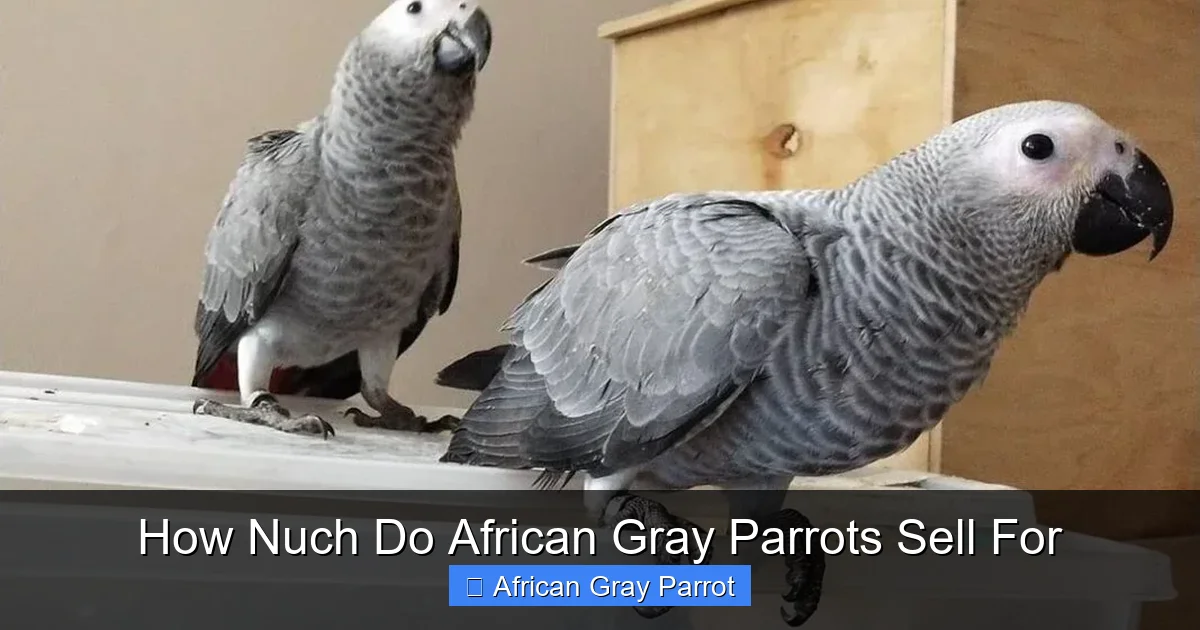
African gray parrots typically cost between $1,000 and $3,500, with rare color mutations pushing prices higher. The final price depends on age, health guarantees, breeder reputation, and ongoing care expenses.
If you have ever wondered how nuch do african gray parrots sell for, you are not alone. Many prospective owners search for a clear price guide before they commit to a lifelong companion. This article breaks down the numbers, explains what drives the cost, and gives you practical tips for a smart purchase.
African gray parrots are prized for their intelligence and talking ability. Because they are in high demand, prices can vary widely. Understanding the market helps you avoid overpaying or buying a bird with hidden health issues.
Key Takeaways
- Price range: Most birds sell for $1,000 to $3,500.
- Age matters: Hand‑raised babies cost more than older birds.
- Color mutations: Rare colors like lutino or albino add $500‑$2,000.
- Breeder reputation: Reputable breeders charge a premium for health guarantees.
- Ongoing costs: Expect $2,000‑$4,000 per year for food, vet care, and enrichment.
- Legal paperwork: CITES permits and local licenses are required in many areas.
- Buy smart: Ask for vet records, visit the bird, and negotiate a fair price.
Quick Answers to Common Questions
What is the average price of an African gray parrot?
The average price falls between $1,000 and $3,500 depending on age, color, and breeder reputation.
Do color mutations cost more?
Yes, rare colors like lutino or albino can add $500 to $2,000 to the base price.
Are rescue birds cheaper?
Adoption fees are typically $200 to $600, but the bird may need extra behavioral work.
What ongoing costs should I expect?
Plan for $2,000 to $4,000 per year for food, vet care, toys, and cage maintenance.
Do I need a permit to own an African gray?
Many regions require a CITES permit or a local exotic pet license; check your local laws.
📑 Table of Contents
Understanding the Market for African Gray Parrots
Typical price range
Most African gray parrots sell for between $1,000 and $3,500. Young hand‑raised babies usually sit at the higher end of this range. Older birds or those sold by private owners may be closer to $1,000. The price you see online often reflects the bird’s age, training level, and any health guarantees.
Seasonal demand can also shift prices. Spring and early summer often see a spike because breeders have new clutches ready. Winter months may offer slight discounts as sellers clear inventory.
Regional differences
Prices can shift depending on where you live. In the United States, coastal states often have higher prices due to demand and shipping costs. In the Midwest, you may find slightly lower numbers. European buyers sometimes pay more because of stricter import regulations.
International shipping adds freight, quarantine, and permit fees. Those extras can push the total cost well above the listed bird price.
Breeder vs pet store vs rescue
Reputable breeders typically charge the most because they provide health testing, socialization, and a written guarantee. Pet stores may offer lower upfront prices but often lack detailed health histories. Rescue organizations usually have the lowest fees, though the birds may need extra rehabilitation.
Visiting a breeder’s facility lets you see living conditions firsthand. A clean, spacious aviary is a good sign of ethical practices.
Factors That Influence the Price
Age and hand‑rearing
Baby parrots that have been hand‑fed from day one are more expensive. They bond quickly with humans and tend to develop better speaking skills. An older bird that has already learned a few words may cost less, but you miss the early bonding window.
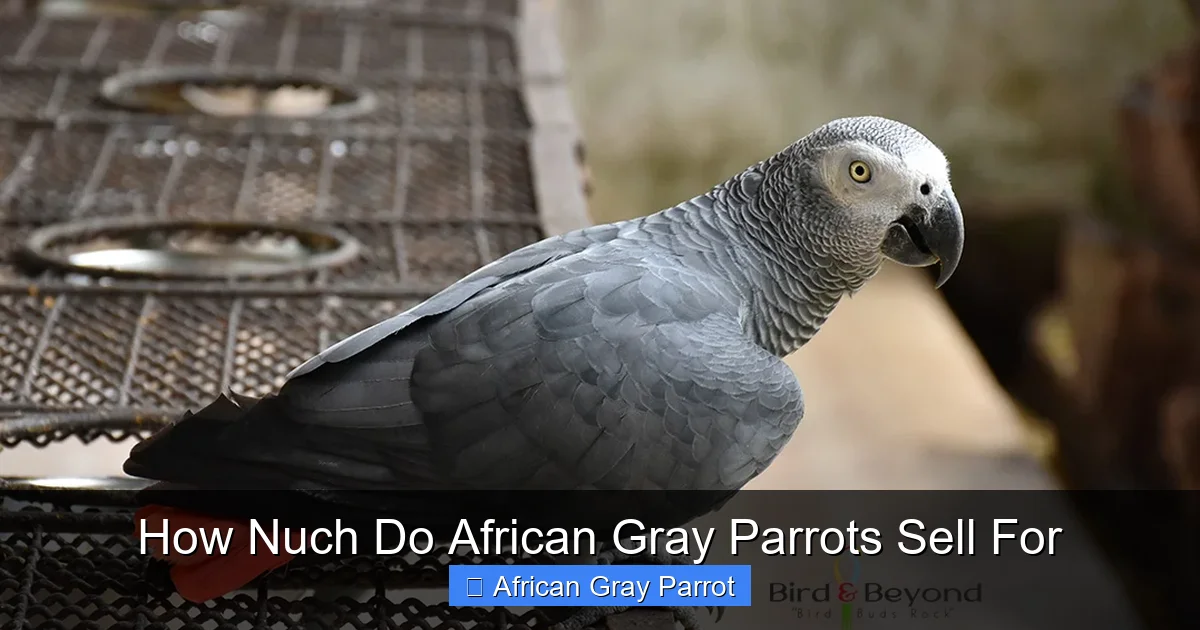
Visual guide about How Nuch Do African Gray Parrots Sell For
Image source: birdandbeyond.com
Hand‑rearing requires round‑the‑clock feeding and monitoring. That labor cost is reflected in the final price.
Color mutations
Standard gray birds are the baseline. Mutations such as lutino, albino, or pied can add $500 to $2,000 to the price. These colors are rare and require selective breeding, which drives up cost.
Some breeders specialize in a single mutation. Their expertise and limited supply often command a premium.
Health guarantees and veterinary records
A breeder who offers a one‑year health guarantee and provides recent vet records will charge more. This guarantee protects you from hidden diseases like psittacosis or feather plucking disorders.
Ask for a copy of the latest avian vet exam, including blood work and fecal test results. Documentation adds value and peace of mind.
Training and socialization
Birds that have been taught basic commands, step‑up, and simple words command a premium. Training takes time and expertise, so sellers factor that labor into the price.
Early socialization reduces fearfulness and aggression. A well‑socialized bird adapts faster to a new home.
Supply chain and import costs
Imported birds incur CITES permit fees, airline cargo charges, and mandatory quarantine. Those expenses are passed on to the buyer.
Domestic breeders avoid many of these fees, which can make their birds slightly cheaper.
Where to Buy an African Gray Parrot
Reputable breeders
Look for breeders who are members of avian associations and who allow you to visit their facility. Ask for references and check online reviews. A good breeder will let you meet the parents and see the living conditions.
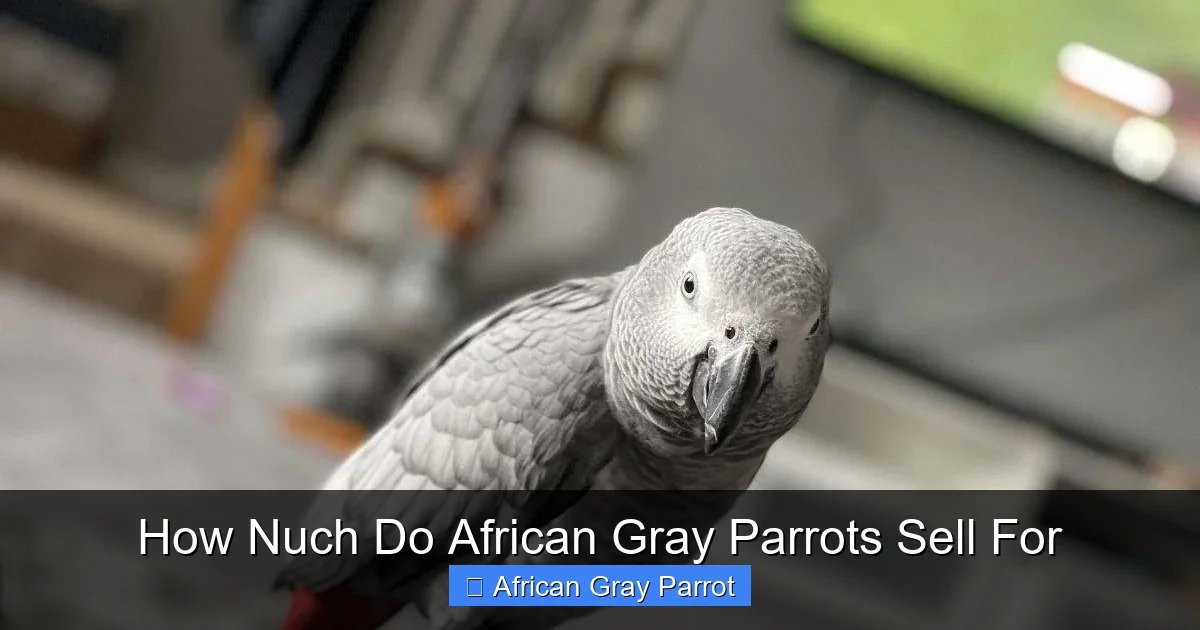
Visual guide about How Nuch Do African Gray Parrots Sell For
Image source: img.birdsnow.com
Request a written contract that outlines health guarantees, return policy, and any post‑sale support.
Avian specialty stores
Specialty stores often carry a few hand‑raised babies. They may offer a short health warranty. However, the staff may not have the same depth of knowledge as a dedicated breeder.
Ask the store manager about the bird’s origin and whether they have a veterinarian on call.
Adoption and rescue
Rescue groups sometimes have African grays that need new homes. Adoption fees are usually $200‑$600. These birds may have behavioral quirks, so a thorough evaluation is essential.
Many rescues provide a trial period. Use that time to assess compatibility and health.
Online marketplaces
Websites like BirdBreeders.com or classified ads can list birds from across the country. Be cautious: verify the seller’s identity, request a video call, and never send money without a contract.
Check for reviews on platforms like Google Reviews or Facebook groups dedicated to parrot owners.
Bird shows and expos
Regional bird shows bring multiple breeders together. You can compare birds side by side and speak directly with breeders.
Shows often feature educational seminars on care, nutrition, and training.
Ongoing Costs Beyond the Purchase Price
Cage and accessories
A suitable cage for an African gray costs $300‑$800. Add perches, toys, and a play gym, and you may spend another $200‑$400. The cage must be large enough for wing stretching and climbing.
Stainless‑steel cages last longer and are easier to clean than powder‑coated models.
Diet and supplements
High‑quality pellets, fresh fruits, vegetables, and nuts cost about $50‑$80 per month. Supplements such as calcium or vitamin D3 add a small extra expense.
Rotate fresh foods daily to prevent boredom and ensure balanced nutrition.
Veterinary care
Annual wellness exams run $100‑$200. Emergency visits or treatment for common issues like feather plucking can exceed $500. Budgeting for a veterinary emergency fund is wise.
Find an avian‑specialist vet before you bring the bird home. Not all small‑animal vets treat parrots.
Enrichment and toys
Parrots need mental stimulation. Rotating toys, foraging puzzles, and training sessions keep them happy. Expect to spend $20‑$50 per month on new enrichment items.
DIY toys made from safe woods and paper can reduce costs while providing variety.
Insurance and unexpected expenses
Pet insurance for exotic birds is available but limited. Policies typically cover illness and injury, not routine care.
Set aside a contingency fund of at least $1,000 for unexpected medical bills.
Legal and Ethical Considerations
CITES permits
African gray parrots are listed under CITES Appendix II. International trade requires export and import permits. Domestic sales in many countries also need documentation proving legal origin.
Keep all paperwork in a safe place. Authorities may request proof of legal acquisition during inspections.
Local regulations
Some states or municipalities require a permit to keep a parrot. Check your local wildlife agency before buying. Failure to comply can result in fines or confiscation.
Homeowners associations may have additional rules about noise and outdoor aviaries.
Ethical breeding practices
Support breeders who prioritize bird welfare over profit. Avoid sources that mass‑produce chicks in poor conditions. Ethical breeders limit clutch sizes, provide ample flight space, and socialize each bird.
Ask about the breeder’s weaning protocol and whether they use parent‑rearing or hand‑rearing.
Conservation impact
Wild populations of African grays are declining due to habitat loss and trapping. Choosing captive‑bred birds reduces pressure on wild stocks.
Look for breeders who participate in conservation programs or donate a portion of sales to habitat protection.
Tips for Getting a Healthy Bird at a Fair Price
Questions to ask the seller
Ask for the bird’s hatch date, parent lineage, diet history, and any veterinary tests performed. Request a recent fecal exam and blood work results.
Inquire about the bird’s daily routine, favorite toys, and any known behavioral triggers.
Red flags
Be wary of sellers who refuse a video call, pressure you to pay instantly, or cannot provide health records. A price far below market average often signals a problem.
Birds kept in dirty, overcrowded cages are a major warning sign.
Negotiating price
If the bird is slightly older or has minor cosmetic issues, you can negotiate a 5‑10 % discount. Always keep the negotiation respectful and based on facts.
Bundle purchases such as cage, starter food, and a vet check can sometimes lower the overall cost.
Post‑purchase vet check
Schedule a veterinary visit within 48 hours of bringing the bird home. This confirms health status and activates any breeder guarantee.
Bring all paperwork, including the breeder’s health guarantee, to the appointment.
Long‑term financial planning
Create a yearly budget that includes food, vet care, toys, and potential emergency funds. A 20‑year lifespan means total costs can exceed $50,000.
Consider setting up a dedicated savings account for your parrot’s expenses.
Conclusion
Knowing how nuch do african gray parrots sell for gives you a solid starting point for budgeting. Prices range from $1,000 to $3,500 for most birds, with rare mutations and extensive training pushing the figure higher. Remember that the purchase price is only the beginning. Ongoing care, legal paperwork, and enrichment add thousands of dollars over the bird’s long lifespan. By researching breeders, asking the right questions, and planning for future expenses, you can welcome a healthy, happy African gray into your home without unexpected financial strain.
Frequently Asked Questions
How nuch do african gray parrots sell for in the United States?
In the U.S., most African gray parrots sell for $1,000 to $3,500, with prices higher on the coasts and for hand‑raised babies.
What factors raise the price of an African gray parrot?
Age, hand‑rearing, rare color mutations, health guarantees, and training all increase the cost.
Can I buy an African gray parrot online safely?
Yes, but verify the seller with video calls, request health records, and use a written contract before sending money.
What is the cheapest way to get an African gray parrot?
Adoption from a rescue organization is usually the lowest upfront cost, often under $600.
How much does a proper cage cost?
A suitable cage ranges from $300 to $800, plus $200 to $400 for perches, toys, and a play gym.
Are there legal restrictions on owning an African gray parrot?
African grays are CITES Appendix II species; many areas require permits and proof of legal origin.