
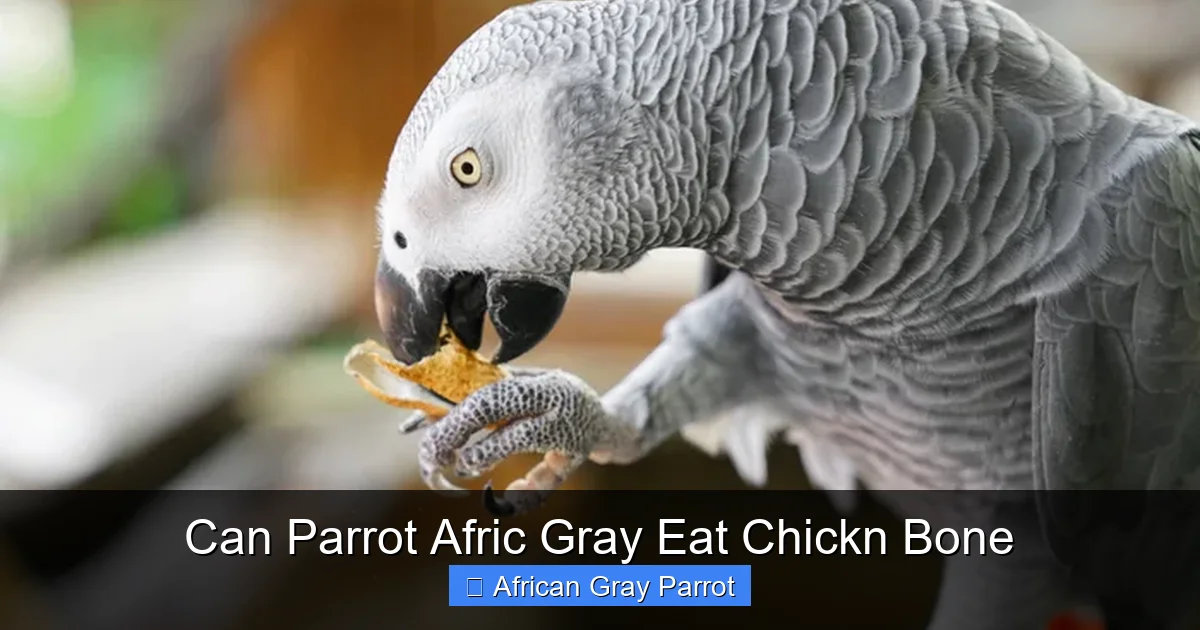
No, African Grey parrots should not eat chicken bones. Cooked bones splinter easily and can cause serious internal injuries. Raw bones also pose choking hazards and bacterial risks. Offer safe calcium sources like cuttlebone or pellets instead.
Featured image for
Image source: thehappychickencoop.com
Many parrot owners wonder if sharing table scraps with their feathered friend is safe. Chicken bones might seem like a natural treat since wild birds eat bones. However, African Grey parrots should never eat chicken bones. The risks far outweigh any potential benefits. This guide explains why bones are dangerous and what safe alternatives exist.
📑 Table of Contents
Can African Grey Parrots Eat Cooked Chicken Bones?
Absolutely not. Cooked chicken bones are one of the most dangerous foods you can offer an African Grey. When bones are cooked, they become brittle and splinter into sharp shards. These fragments can puncture the crop, esophagus, stomach, or intestines. Even a tiny sliver can cause internal bleeding, infection, or death.
African Greys have strong beaks, but they cannot safely crush cooked bones into digestible pieces. The splintering happens unpredictably. A bone that looks intact can shatter the moment your parrot applies pressure. Emergency veterinary care for bone perforation is expensive, stressful, and not always successful.
Never leave cooked chicken bones where your parrot can reach them. This includes plates on the table, trash cans, and countertops. African Greys are clever and determined. If they see you eating chicken, they may try to steal a bone.
What About Raw Chicken Bones?
Raw bones are softer and less likely to splinter than cooked ones. Some raw feeders argue that raw meaty bones are natural for birds. However, raw chicken bones still pose significant risks for African Greys.
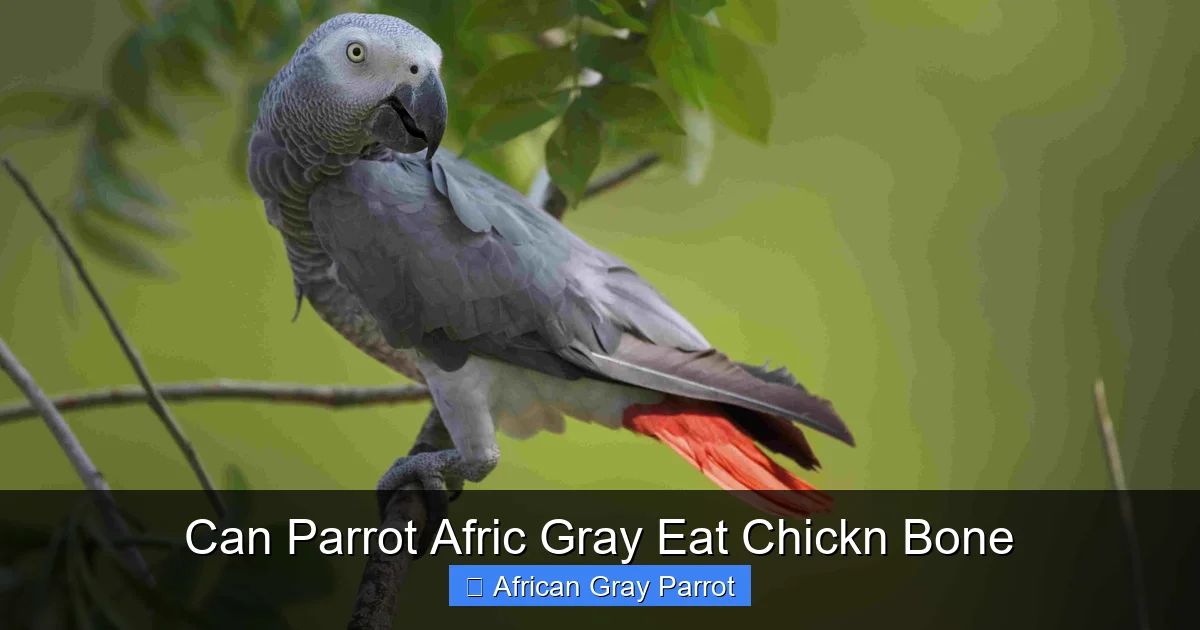
Visual guide about
Image source: thesprucepets.com
First, raw poultry carries Salmonella and Campylobacter bacteria. Parrots are susceptible to these pathogens. An infection can cause severe diarrhea, lethargy, weight loss, and death. African Greys have sensitive digestive systems. Even if the bone itself doesn’t injure them, the bacteria might.
Second, chicken bones — even raw — can be a choking hazard. African Greys may try to swallow pieces that are too large. A bone fragment lodged in the airway is a life-threatening emergency. The crop can also become impacted with bone material.
Third, the nutritional benefit is minimal. While bone marrow contains fat and some nutrients, African Greys get complete nutrition from a proper pellet diet, vegetables, and safe supplements. The risk is not worth the tiny reward.
Why Do People Think Bones Are Okay?
In the wild, some parrots consume clay and mineral-rich soil to supplement their diet. They may also chew on bones they find for minerals. This behavior, called osteophagy, is observed in various bird species. However, wild parrots eat bones from very small animals or weathered bones that crumble easily. They do not eat cooked chicken bones from human meals.
Pet African Greys have different needs than wild birds. They live longer, eat formulated diets, and don’t need to scavenge for minerals. Their calcium and phosphorus requirements are met through pellets, dark leafy greens, and supplements like cuttlebone or calcium blocks. There is no nutritional gap that chicken bones fill.
Safe Alternatives for Chewing and Calcium
African Greys need to chew. It keeps their beaks healthy and provides mental stimulation. Instead of bones, offer these safe options:
- Cuttlebone — Excellent calcium source, safe to chew
- Mineral blocks — Formulated for parrots, provide trace minerals
- Natural wood perches and toys — Java wood, manzanita, dragon wood
- Foraging toys — Stuffed with pellets or treats
- Cardboard and paper — Safe shredding material
- Hard-shelled nuts — In moderation, as treats only
Rotate toys weekly to prevent boredom. A bored African Grey may develop feather-plucking or screaming behaviors. Chewing outlets are essential for their wellbeing.
What If My African Grey Already Ate a Chicken Bone?
Don’t panic. Monitor your bird closely for the next 24 to 48 hours. Watch for these warning signs:
- Drooling or difficulty swallowing
- Regurgitation or vomiting
- Loss of appetite
- Lethargy or fluffed feathers
- Straining to defecate or blood in droppings
- Breathing changes or tail bobbing
- Refusal to drink water
If you notice any of these symptoms, contact an avian veterinarian immediately. Do not wait to see if it passes. Bone fragments can cause damage quickly. X-rays may be needed to locate fragments. Surgery is sometimes required to remove obstructions or repair perforations.
Even if your parrot seems fine, call your vet for advice. They may want to examine your bird or recommend supportive care. Early intervention saves lives.
Can African Greys Eat Bone Marrow?
Bone marrow is high in fat and iron. While not toxic, it is not recommended for African Greys. These parrots are prone to obesity and fatty liver disease (hepatic lipidosis). High-fat foods like marrow contribute to these conditions. A balanced pellet diet provides appropriate fat levels. If you want to offer a special treat, try a small piece of cooked lean chicken breast — no bone, no skin, no seasoning.
Conclusion
African Grey parrots cannot safely eat chicken bones — cooked or raw. Cooked bones splinter dangerously. Raw bones carry bacteria and choking risks. Neither provides nutrition your parrot can’t get from safer sources. Protect your bird by keeping bones out of reach and offering appropriate chew toys, cuttlebone, and a balanced diet. If accidental ingestion occurs, watch for symptoms and contact your avian vet right away. Your African Grey’s safety depends on informed choices.