
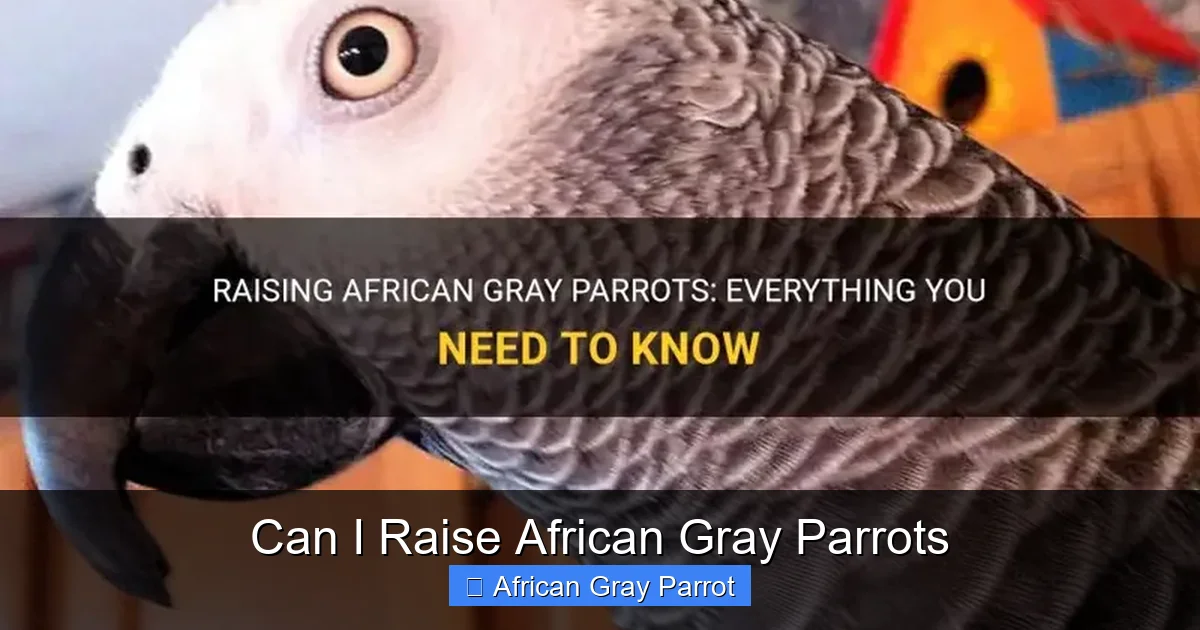
Yes, you can raise African Gray Parrots if you meet their complex needs. These highly intelligent birds require significant time, specialized diets, mental stimulation, and a 50+ year commitment. Proper research and preparation are essential before bringing one home.
Featured image for
Image source: petshun.com
African Gray Parrots are among the most intelligent birds on Earth. Their ability to mimic human speech and solve complex problems makes them fascinating companions. But can you raise one successfully? The short answer is yes — but only if you understand the full scope of responsibility. This guide answers the most common questions about raising these remarkable birds.
📑 Table of Contents
- What Makes African Gray Parrots Different From Other Pet Birds?
- Do I Need Special Permits or Licenses?
- What Does Daily Care Involve?
- Can I Train an African Gray Parrot to Talk?
- What Are the Biggest Challenges?
- How Much Does It Cost to Raise an African Gray?
- Is an African Gray Right for My Family?
- Where Should I Get My African Gray Parrot?
- Conclusion
What Makes African Gray Parrots Different From Other Pet Birds?
African Grays possess cognitive abilities comparable to a 5-year-old human child. They don’t just mimic words — they understand context, count objects, and solve multi-step puzzles. This intelligence demands constant mental engagement. A bored Gray develops destructive behaviors like feather plucking, screaming, and aggression.
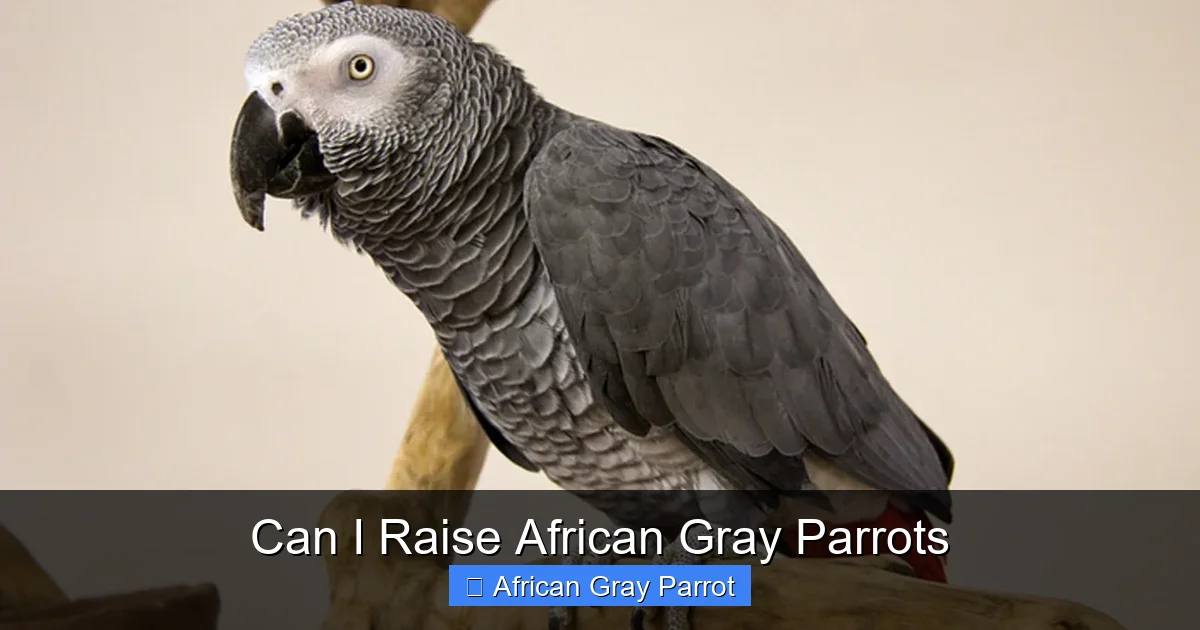
There are two subspecies: the larger Congo African Gray with bright red tail feathers, and the smaller Timneh African Gray with darker plumage and maroon tail feathers. Both share similar care requirements and intelligence levels. Their lifespan of 50 to 60 years means they often outlive their owners, requiring long-term care planning.
Do I Need Special Permits or Licenses?
In the United States, African Gray Parrots are listed under CITES Appendix I, meaning international trade is heavily restricted. Domestic ownership is legal in most states, but some require permits. California, Hawaii, and several other states have specific regulations. Always check your local wildlife agency and municipal codes before acquiring a bird.
Visual guide about
Image source: thehappychickencoop.com
Reputable breeders provide CITES documentation proving captive-bred status. Never buy a bird without proper paperwork — wild-caught parrots are illegal, traumatized, and often carry diseases. Adoption from a rescue organization is another legal pathway that helps birds in need.
What Does Daily Care Involve?
African Grays need a minimum of 3 to 4 hours of direct interaction daily. This includes training sessions, supervised out-of-cage time, and social engagement. Their cage should measure at least 36 x 24 x 48 inches with bar spacing of 3/4 to 1 inch. Provide multiple perches of varying diameters, foraging toys, and puzzle feeders rotated weekly.
Diet is critical. A seed-only diet causes malnutrition and fatty liver disease. Feed 60 to 70 percent high-quality pellets, 20 to 30 percent fresh vegetables and fruits, and 10 percent healthy treats like nuts and whole grains. Fresh water must be available constantly and changed twice daily. Annual avian vet checkups are non-negotiable — these birds hide illness until it’s advanced.
Can I Train an African Gray Parrot to Talk?
Most African Grays develop impressive vocabularies of 100 to 1,000+ words with consistent training. Start with simple, clearly enunciated words paired with actions or objects. “Hello” when entering the room. “Want nut” when offering a treat. Repetition and context build understanding.
Training sessions should last 5 to 10 minutes, two to three times daily. Use positive reinforcement — praise, head scratches, or favorite treats. Never punish vocalizations you dislike; ignore them instead. Remember that talking ability varies by individual. Some birds prefer whistling, sound effects, or non-verbal communication.
What Are the Biggest Challenges?
The dust factor surprises many new owners. African Grays produce abundant powder down — fine feather dust that coats surfaces and aggravates allergies or asthma. Daily misting, HEPA air purifiers, and frequent cleaning are mandatory. This dust is a lifelong reality.
Noise levels can exceed 90 decibels — comparable to a lawnmower. Morning and evening vocalizations are natural flock behaviors. Apartment dwellers and noise-sensitive neighbors may struggle. Behavioral issues like biting, screaming, or feather destruction often stem from unmet needs: insufficient sleep (10 to 12 hours), poor diet, lack of enrichment, or hormonal changes during breeding season.
How Much Does It Cost to Raise an African Gray?
Initial costs range from $2,000 to $5,000 for a hand-raised baby from a reputable breeder. Adoption fees run $500 to $1,500. The cage, toys, perches, and initial vet exam add $1,000 to $2,000. Annual expenses include $400 to $800 for food, $200 to $500 for toy replacement, and $200 to $400 for routine veterinary care.
Emergency vet visits for accidents or sudden illness can cost $1,000 to $5,000. Pet insurance for exotic birds exists but varies widely. Budget for a lifetime cost of $40,000 to $80,000+. Financial stability is as important as time commitment.
Is an African Gray Right for My Family?
These birds bond intensely with one person and may tolerate others. They’re not ideal for households with young children — their beaks exert 500 to 700 psi of pressure, capable of serious injury. Teens and adults who understand boundaries fare better. All household members must follow consistent training protocols.
Travel frequency matters. African Grays stress easily with routine disruption. Reliable bird-sitters who understand their needs are essential. If you travel often or work 12-hour shifts, this species will suffer. Consider whether your lifestyle can accommodate a 50-year dependent with the emotional needs of a toddler.
Where Should I Get My African Gray Parrot?
Choose only three sources: certified avian breeders with references and facility tours, established avian rescues with thorough adoption processes, or verified rehoming situations with full medical history. Avoid pet stores, online classifieds, bird marts, and anyone shipping birds without health certificates.
Visit the breeder or rescue in person. Observe the bird’s environment, parents if available, and interaction with caregivers. A healthy African Gray is alert, feathered, curious, and responsive. Request complete veterinary records including psittacosis, PBFD, and polyomavirus testing. A 30-day health guarantee is standard from ethical breeders.
Conclusion
Raising an African Gray Parrot is possible for dedicated, informed owners with stable lifestyles and long-term commitment. These birds offer extraordinary companionship, intelligence, and communication — but demand equivalent investment in time, money, and emotional energy. Research thoroughly. Visit breeders and rescues. Talk to current owners. If you can provide the enriched, consistent, lifetime care they deserve, an African Gray will reward you with a bond unlike any other pet. If doubts remain, admire them from afar — they deserve nothing less than a fully prepared home.