
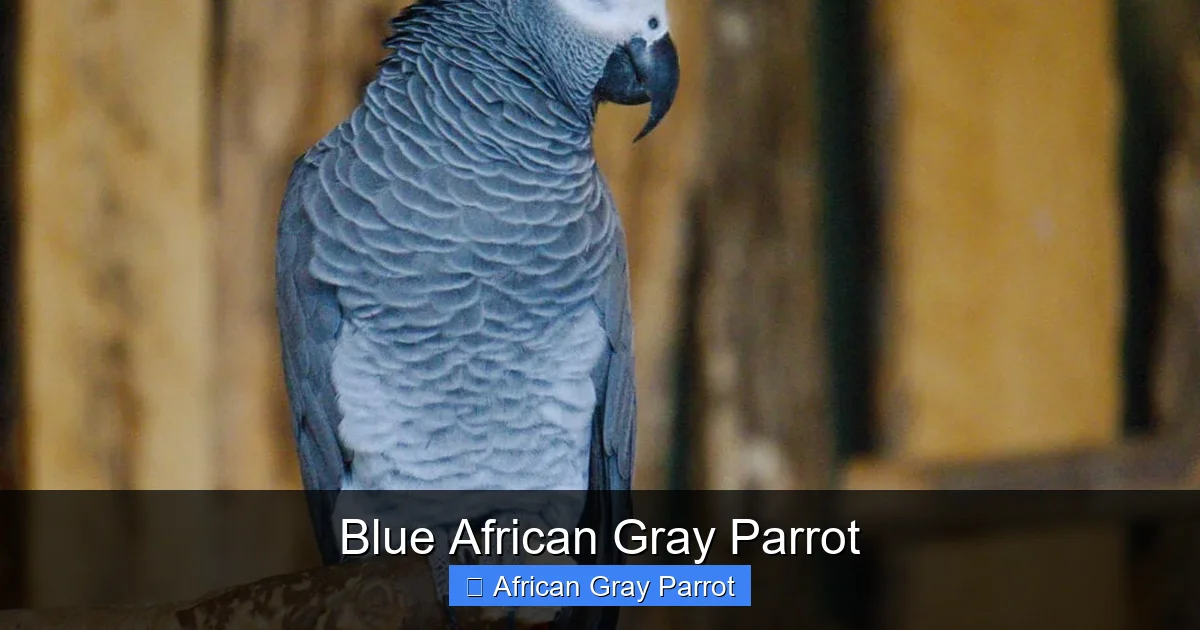
The blue African gray parrot is a stunning color mutation of the classic African gray. It shares the same intelligence and talking ability but requires the same specialized care. Owners love its unique plumage and lively personality.
Featured image for
Image source: worldbirds.com
📑 Table of Contents
What Is a Blue African Gray Parrot?
The blue African gray parrot is a color mutation of the standard African gray. It has a soft blue‑gray feather tone instead of the usual charcoal. The mutation is rare and occurs in a small percentage of captive birds. Breeders value the unique look, but the bird’s behavior stays the same.
Like all African grays, it is highly intelligent and social. It can learn hundreds of words and mimic sounds. The blue hue does not affect its cognitive abilities. Potential owners should expect the same mental stimulation needs.
How Does the Blue Color Appear?
The blue shade comes from a genetic change that alters feather pigment structure. It reduces the amount of melanin in the feathers, letting light scatter in a way that looks blue. This is similar to how a blue jay gets its color. The trait is recessive, so both parents must carry the gene.
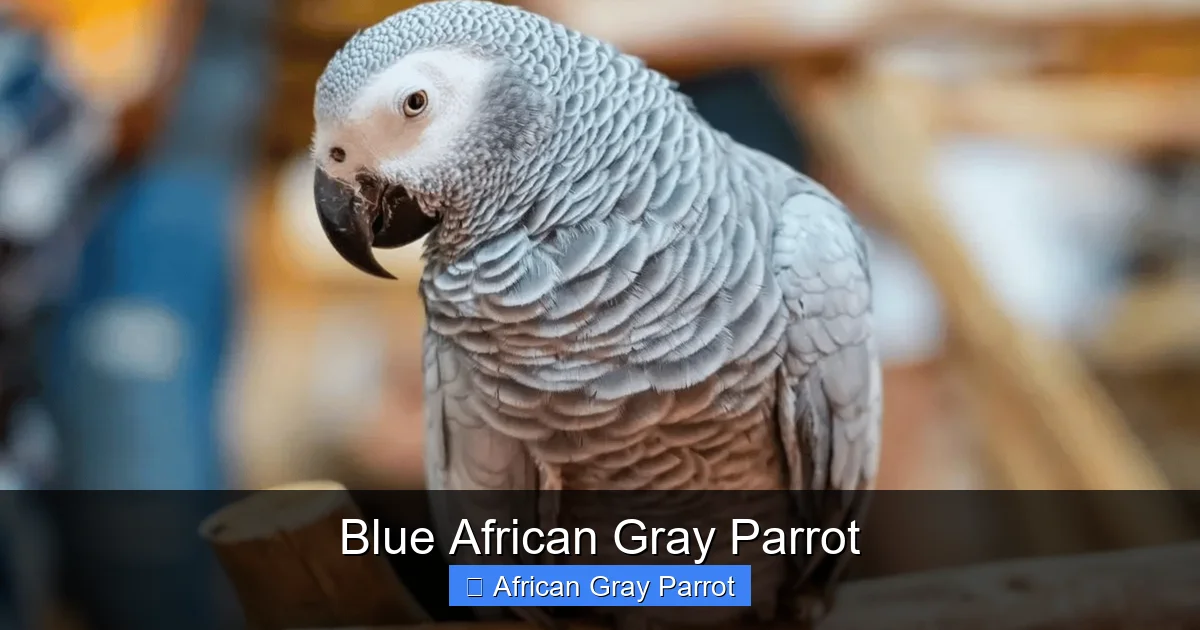
Visual guide about
Image source: tomorrowsworldtoday.com
Because the gene is recessive, blue chicks can appear in a clutch of normal gray parents. Breeders often pair known carriers to increase the chance of blue offspring. The color is stable once it shows up in a bird.
Are Blue African Gray Parrots Different From Standard Gray Ones?
Physically, the only difference is feather color. Size, weight, and lifespan remain identical. Both types can live 40 to 60 years with proper care. Their vocal talent, problem‑solving skills, and social needs are the same.
Some owners report that blue birds seem slightly more curious, but this is anecdotal. Scientific studies have not found behavioral links to the color mutation. Treat them exactly like any African gray.
What Care Do They Need?
Proper care covers diet, housing, and daily interaction. A balanced diet prevents obesity and feather problems. A spacious cage and safe out‑of‑cage time keep the bird physically fit. Mental enrichment stops boredom and feather plucking.
Diet
Feed a high‑quality pellet base supplemented with fresh fruits, vegetables, and occasional nuts. Avoid avocado, chocolate, and caffeine. Fresh water must be available at all times.
Housing
Choose a cage at least 36 inches wide, 24 inches deep, and 48 inches tall. Provide perches of varying diameters and natural wood. Add toys that encourage foraging and problem solving.
Social Interaction
Spend at least two hours each day talking, training, or playing with your parrot. Use positive reinforcement for tricks and speech. Rotate toys weekly to maintain interest.
Common Health Issues
African grays are prone to feather plucking, respiratory infections, and calcium deficiency. Regular avian vet checks catch problems early. Keep the environment clean and humidity moderate.
Watch for changes in droppings, appetite, or vocalization. Early treatment improves outcomes. A varied diet and UV lighting support bone health.
Can They Talk?
Yes. The blue African gray parrot is one of the best talkers among parrots. It can learn hundreds of words and use them in context. Consistent, clear speech from the owner speeds up learning.
Start with simple words like “hello” and “goodbye.” Reward attempts with treats or praise. Over time the bird may form sentences and mimic household sounds.
Conclusion
The blue African gray parrot offers the same brilliant mind and talking ability as its gray counterpart, wrapped in a rare, eye‑catching color. It demands a committed owner who provides a nutritious diet, a large cage, and daily mental stimulation. With proper care, this bird becomes a lifelong companion that entertains and amazes.